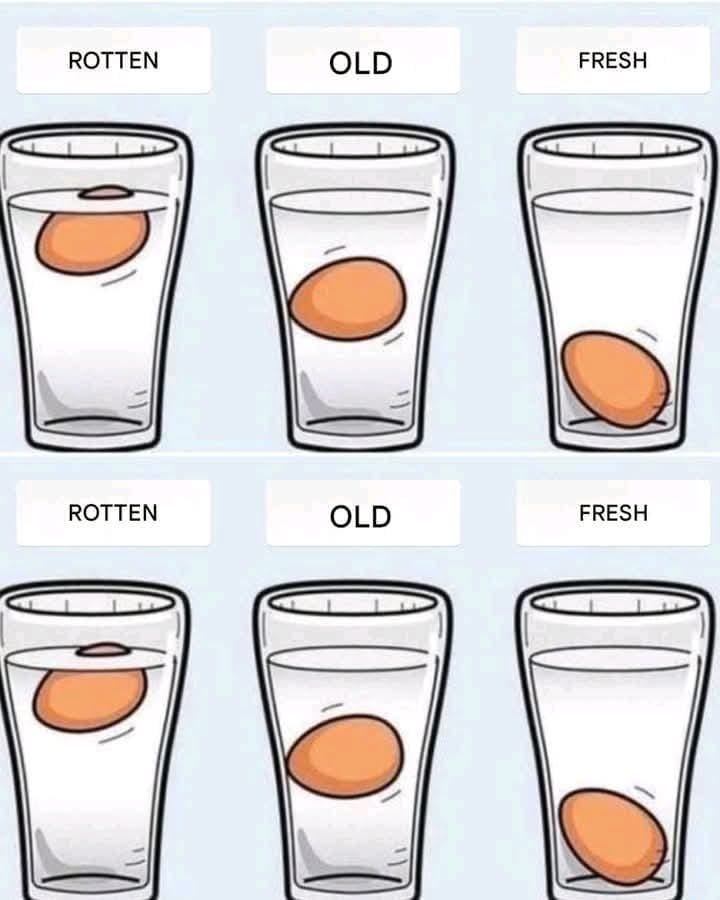
There Is No More Precise Way: The Most Accurate Way to Check the Freshness of Chicken Eggs
Discover the most accurate method to check chicken egg freshness. Simple, reliable, and safe tips to ensure your eggs are fresh every time.
Introduction
Eggs are a staple in American kitchens, used for breakfast, baking, and quick meals. But how do you truly know if your eggs are fresh? Expired eggs can cause foodborne illness, while fresh eggs taste better and cook more reliably.
In this guide, you’ll learn the most precise ways to test egg freshness, why these methods work, and practical tips to keep your eggs safe and tasty.
Why Egg Freshness Matters
Freshness is about taste, texture, and safety:
-
Safety: Salmonella and other bacteria can grow in older eggs.
-
Cooking quality: Fresh eggs hold their shape better, making poached or fried eggs superior.
-
Flavor: Fresher eggs have richer yolks and firmer whites.
Even eggs that look okay can sometimes be unsafe if they’re too old. That’s why testing is essential.
The Most Accurate Way: The Water Float Test
The water float test is widely recognized by food scientists and chefs as the most precise, easy, and safe way to check egg freshness.
Step-by-Step Instructions:
-
Fill a Bowl with Cold Water
-
Use enough water to fully submerge the egg.
-
-
Gently Place the Egg in the Water
-
Observe how it behaves.
-
-
Interpret the Results:
| Egg Behavior | Freshness Level | Explanation |
|---|---|---|
| Sinks and lays flat | Very fresh | Minimal air inside; ideal for all uses |
| Sinks but stands upright | Still safe, getting older | Air pocket growing; good for boiling or baking |
| Floats | Not fresh, discard or cook thoroughly | Large air pocket; bacteria risk increases |
Why It Works:
Eggshells are porous. Over time, air penetrates, forming an air pocket that makes older eggs float. This method directly reflects freshness, regardless of expiration dates.
Additional Tips for Checking Freshness
1. Sniff Test
-
Crack the egg into a clean bowl.
-
A sour or sulfur-like smell indicates spoilage.
-
Fresh eggs have little to no odor.
2. Visual Inspection
-
Look for unusual discoloration or spots in the yolk and white.
-
Check the shell for cracks or powdery residue (mold risk).
3. Shake Test
-
Hold the egg near your ear and shake gently.
-
Sloshing sounds indicate thinning of the egg white and aging; a fresh egg is firm.
4. Check Expiration Date
-
Always verify the “sell by” or “best by” date on the carton.
-
Water float test is more reliable than dates alone.
How to Store Eggs for Maximum Freshness
-
Keep in the fridge: 33–40°F (0.5–4°C).
-
Store in the original carton: Prevents moisture loss and odor absorption.
-
Place away from the door: Temperature fluctuates near the fridge door.
-
Do not wash eggs before storing: Natural protective coating helps prevent bacterial growth.
FAQs About Egg Freshness
Q1: How long do eggs last in the fridge?
A1: About 3–5 weeks from purchase, depending on storage conditions.
Q2: Can older eggs be used for baking?
A2: Yes, slightly older eggs can be ideal for baking as they whip better in recipes like meringues.
Q3: Is the float test safe for all eggs?
A3: Yes, it’s safe, reliable, and works for eggs regardless of size or color.
Q4: What if an egg passes the float test but smells off?
A4: Discard it immediately. Smell overrides other tests for safety.
Q5: Can freezing eggs affect freshness?
A5: Yes, you can freeze eggs (out of the shell, beaten), but texture changes may occur.
Q6: Are farm-fresh eggs more reliable than store-bought eggs?
A6: Farm-fresh eggs can be fresher, but still perform the same tests for safety.
Conclusion
The water float test is the most precise, reliable, and easy method to check egg freshness. Combine it with smell, visual, and storage checks to ensure your eggs are safe, tasty, and high-quality.
Next time you reach for an egg, take a few seconds to test it—it’s a simple step that protects your health and guarantees the best cooking results.