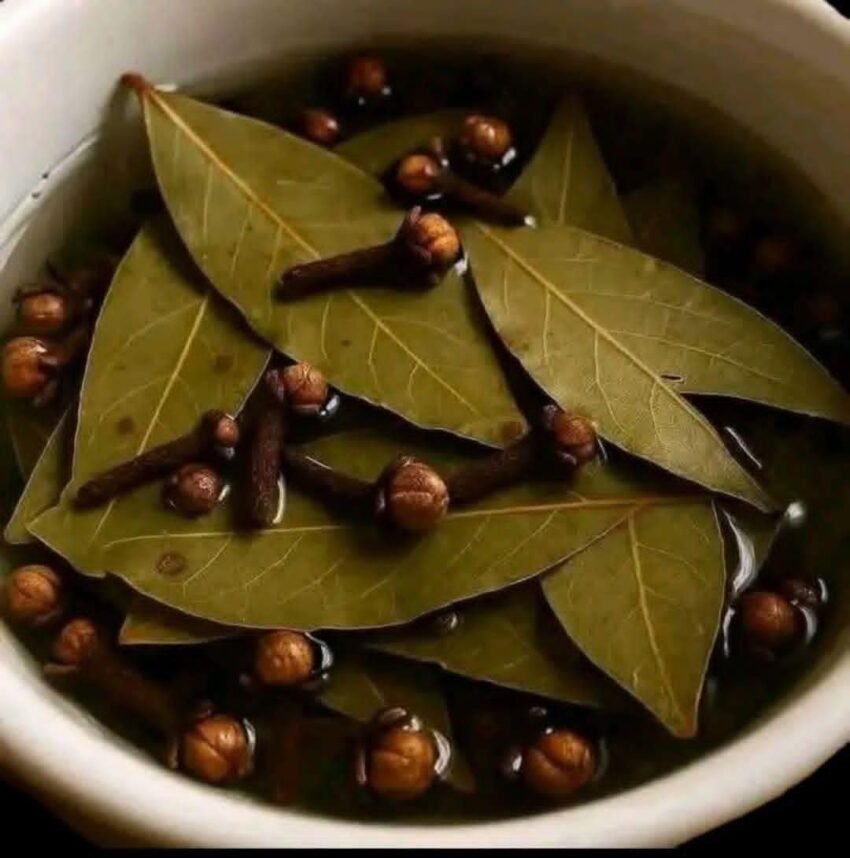
The Dangerous Myth About “Eliminating Cancer Naturally” — What Actually Protects Your Body and Your Vision
Can a simple recipe remove cancer cells and prevent vision loss? Discover the science-backed truth and what truly supports long-term health.
Introduction
It’s a powerful, emotional statement:
“No one should die of cancer, let alone lose their sight.”
That sentiment resonates deeply with millions of Americans. Nearly 2 million new cancer cases are diagnosed in the U.S. each year, and age-related vision problems affect more than 12 million adults over 40.
So when a headline promises a “recipe to remove all cancer cells from your body and prevent vision loss,” it’s understandable that people click.
But here’s the truth:
There is no food, drink, or home recipe that can remove all cancer cells from your body. And no single ingredient can guarantee prevention of vision loss.
What we can do, however, is explore what science actually supports — evidence-based nutrition, lifestyle strategies, and early detection methods that meaningfully reduce risk and protect both your body and your eyesight.
In this comprehensive guide, you’ll learn:
-
Why “cancer-clearing recipes” are medically inaccurate
-
What cancer really is — in simple terms
-
The science-backed foods that support cellular health
-
Nutrients proven to support eye health
-
A practical anti-inflammatory meal framework
-
Common myths Americans fall for (and how to avoid them)
-
Actionable steps you can start today
Let’s separate hope from hype — and focus on what truly works.
Understanding the Claim: Can Food Remove All Cancer Cells?
The Short Answer: No.
Cancer is not a toxin that can be “flushed out.”
It is a complex disease involving abnormal cell growth caused by genetic mutations. These mutations can result from:
-
DNA damage
-
Environmental exposure (like smoking or UV radiation)
-
Chronic inflammation
-
Random cellular replication errors
-
Genetic predisposition
Once cancer develops, treatment requires medical intervention — which may include:
-
Surgery
-
Chemotherapy
-
Radiation therapy
-
Immunotherapy
-
Targeted drug therapy
Reputable organizations such as the National Cancer Institute and the American Cancer Society clearly state that no food or supplement can cure cancer.
That said…
Nutrition does play a major role in prevention and overall health.
What Actually Helps Reduce Cancer Risk?
While no food eliminates cancer cells, strong evidence supports certain dietary patterns that reduce overall risk.
1. Focus on an Anti-Inflammatory Eating Pattern
Chronic inflammation is associated with increased cancer risk. The most studied anti-inflammatory diet is the Mediterranean-style approach.
Core Components:
-
Vegetables (especially leafy greens and cruciferous varieties)
-
Fruits (berries, citrus)
-
Whole grains
-
Legumes
-
Nuts and seeds
-
Olive oil
-
Fatty fish
-
Limited processed foods and red meat
Research published in major medical journals shows adherence to this pattern is associated with lower cancer incidence and improved longevity.
2. Cruciferous Vegetables (But Not as a “Cure”)
Examples:
-
Broccoli
-
Brussels sprouts
-
Cauliflower
-
Kale
These contain sulforaphane and other phytochemicals studied for their role in cellular protection.
Important distinction:
They support healthy detoxification pathways. They do NOT remove existing tumors.
3. Fiber and Gut Health
Fiber reduces risk of colorectal cancer and supports a balanced microbiome.
Americans consume on average 15g daily. The recommended intake is:
-
25g for women
-
38g for men
Sources:
-
Beans
-
Lentils
-
Oats
-
Chia seeds
-
Vegetables
4. Limit Alcohol and Ultra-Processed Foods
Alcohol is a known carcinogen.
Processed meats are classified as carcinogenic by global health authorities.
Reducing these alone significantly lowers cancer risk.
What About Vision Loss? Can Food Prevent It?
Vision loss in the U.S. is most commonly caused by:
-
Age-related macular degeneration (AMD)
-
Diabetic retinopathy
-
Cataracts
-
Glaucoma
Nutrition can support eye health — but not reverse advanced disease.
The Nutrients That Support Eye Health (Backed by Research)
The landmark AREDS and AREDS2 clinical trials conducted by the National Eye Institute found that specific nutrients help slow progression of macular degeneration.
Key Nutrients:
1. Lutein and Zeaxanthin
Found in:
-
Spinach
-
Kale
-
Collard greens
-
Eggs
These accumulate in the retina and help filter blue light.
2. Omega-3 Fatty Acids
Sources:
-
Salmon
-
Sardines
-
Flaxseed
-
Walnuts
Support retinal function and reduce dry eye symptoms.
3. Vitamin C and E
Act as antioxidants that protect eye tissues from oxidative stress.
4. Zinc
Helps transport vitamin A from the liver to the retina.
Sources:
-
Pumpkin seeds
-
Chickpeas
-
Beef (in moderation)
A Realistic “Protective” Daily Recipe Framework
Instead of miracle claims, here’s a science-based meal that supports cellular and eye health.
Anti-Inflammatory Power Bowl
Base:
-
1 cup quinoa or farro
Greens:
-
2 cups spinach or kale
Protein:
-
Grilled wild salmon or lentils
Color Boost:
-
Roasted sweet potatoes
-
Red bell peppers
-
Blueberries (on the side)
Healthy Fat:
-
Olive oil drizzle
-
Sprinkle of walnuts or pumpkin seeds
Flavor Enhancers:
-
Turmeric
-
Garlic
-
Lemon juice
This supports:
-
Antioxidant intake
-
Fiber goals
-
Omega-3 consumption
-
Anti-inflammatory pathways
But again — it supports health. It does not eliminate disease.
Real-World Scenario: Why Lifestyle Beats “Miracle Recipes”
Consider two individuals:
Person A
-
Drinks green juice daily
-
Still smokes
-
Rarely exercises
-
Avoids screenings
Person B
-
Balanced whole-food diet
-
Exercises 4x weekly
-
Avoids smoking
-
Gets colonoscopies and eye exams
Person B has dramatically lower long-term risk.
No recipe can compensate for high-risk behaviors.
Common Myths Americans Fall For
Myth 1: “Doctors Don’t Want You to Know This”
Medical breakthroughs are published in peer-reviewed journals. A true cancer cure would not be hidden.
Myth 2: “Natural Means Safe”
Some natural substances can interfere with chemotherapy or medications.
Always consult healthcare professionals.
Myth 3: Detoxing Removes Cancer
Your liver and kidneys detoxify your body. Juice cleanses do not eliminate cancer cells.
Pros and Cons of “Natural Cancer Cure” Content
| Pros | Cons |
|---|---|
| Encourages healthy eating | Creates false hope |
| Promotes vegetable intake | Delays medical treatment |
| Reduces processed foods | Can cost patients critical time |
| Raises awareness | May spread misinformation |
The danger lies not in vegetables — but in exaggerated claims.
Practical Steps You Can Start Today
-
Schedule recommended cancer screenings
-
Get annual comprehensive eye exams
-
Increase vegetable intake gradually
-
Walk 30 minutes daily
-
Reduce processed meat consumption
-
Maintain healthy weight
-
Quit smoking if applicable
-
Monitor blood sugar levels
These are proven risk reducers.
FAQs (People Also Ask Style)
1. Can any food kill cancer cells completely?
No. Certain foods support overall health, but medical treatment is required to treat cancer.
2. Are antioxidants enough to prevent cancer?
Antioxidants help reduce oxidative stress but are not a guarantee against cancer.
3. Does sugar feed cancer?
All cells use glucose. Eliminating sugar alone does not cure cancer.
4. Can supplements replace a healthy diet?
Whole foods provide synergistic nutrients that supplements cannot fully replicate.
5. Is juicing better than eating whole vegetables?
Whole vegetables are better due to fiber content.
6. What diet has the strongest research support?
Mediterranean-style eating patterns.
7. Can vision loss be reversed with diet?
Early nutritional support may slow progression, but advanced damage often requires medical care.
8. How often should Americans get screened for cancer?
It depends on age and risk factors. Follow USPSTF guidelines.
9. Is inflammation really linked to cancer?
Yes, chronic inflammation is associated with increased risk.
10. Should I avoid all red meat?
Moderation is key. Limit processed meats first.
The Future of Prevention: Where Science Is Headed
Emerging areas of research include:
-
Personalized nutrition based on genetics
-
Microbiome-targeted therapies
-
Precision oncology
-
Advanced retinal imaging for early detection
Prevention is becoming increasingly individualized — not simplified into a single recipe.
The Bottom Line
No one should die of cancer. No one should lose their sight unnecessarily.
But the solution isn’t a secret drink or viral recipe.
It’s:
-
Evidence-based medicine
-
Preventive screening
-
Whole-food nutrition
-
Physical activity
-
Risk reduction
-
Early detection
Hope is powerful. But informed action is even more powerful.
Your Next Step
If this article helped clarify misinformation and gave you practical tools:
-
Share it with someone who needs evidence-based guidance
-
Leave a comment with your thoughts or questions
-
Explore more science-backed health topics
-
Schedule your next preventive check-up
Your health decisions today shape your future.
And that’s something truly worth protecting.