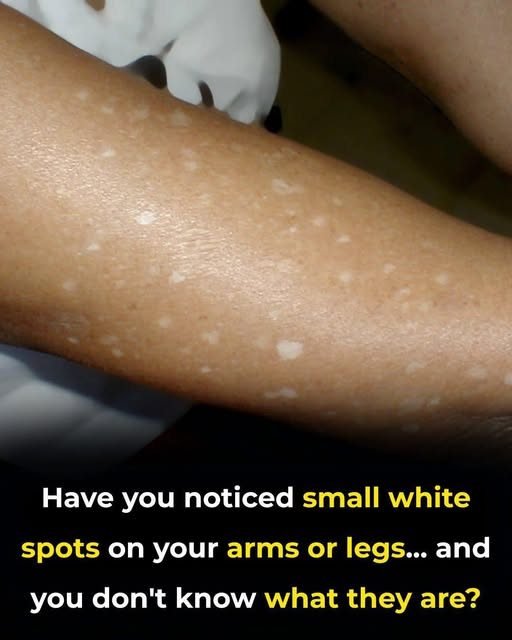
Small White Spots on Arms and Legs: What You Need to Know
Noticed small white spots on your arms or legs? Learn the common causes, symptoms, and when you should see a doctor.
Why Do Small White Spots Appear on the Skin?
Have you ever looked at your arms or legs and noticed tiny white spots that seem to appear out of nowhere?
For many people, these spots can cause confusion or worry. While they are often harmless, they can sometimes be a sign of a skin condition that needs attention.
In many cases, these spots appear due to changes in skin pigmentation, sun exposure, aging, or certain medical conditions.
Understanding the possible causes can help you determine whether the spots are normal or if you should seek medical advice.
1. Idiopathic Guttate Hypomelanosis
One of the most common causes of white spots on the arms and legs is Idiopathic Guttate Hypomelanosis.
This condition typically appears as small, round white spots on areas frequently exposed to sunlight.
Common features:
-
Small white spots (2–5 mm in size)
-
Smooth and flat patches
-
Usually appear on the arms, legs, shoulders, or face
-
More common in adults over 40
What causes it?
Experts believe it is mainly linked to aging and long-term sun exposure.
The spots occur when the skin produces less melanin, the pigment responsible for skin color.
Is it dangerous?
No. It is harmless and purely cosmetic.
2. Vitiligo
Another possible cause is Vitiligo, a condition that causes loss of skin pigment.
In vitiligo, the immune system mistakenly attacks the cells that produce melanin.
Symptoms may include:
-
White patches on the skin
-
Spots that slowly grow over time
-
Areas with clearly defined borders
Vitiligo can appear anywhere on the body, including:
-
arms
-
legs
-
face
-
hands
While it does not cause physical pain, it can affect a person’s self-confidence.
Organizations like the American Academy of Dermatology recommend seeing a dermatologist if you suspect vitiligo.
3. Tinea Versicolor (Fungal Infection)
A common skin infection called Tinea Versicolor can also cause white or lighter patches on the skin.
This condition is caused by an overgrowth of yeast that naturally lives on the skin.
Signs include:
-
White, pink, or light brown patches
-
Slight itching
-
Dry or flaky skin
These spots are often found on:
-
arms
-
chest
-
back
-
neck
The good news is that this condition is treatable with antifungal creams or shampoos.
4. Nutritional Deficiencies
Sometimes white spots can be linked to deficiencies in essential nutrients such as:
-
vitamin B12
-
calcium
-
vitamin D
According to health experts from Cleveland Clinic, nutritional imbalances can occasionally affect skin pigmentation.
However, this cause is less common compared to sun-related skin changes.
5. Sun Damage
Long-term sun exposure can damage the pigment-producing cells in the skin.
Over time, this may lead to small white spots appearing on areas frequently exposed to the sun.
These spots often develop gradually and are more visible on:
-
arms
-
legs
-
shoulders
Using sunscreen regularly can help prevent further skin changes.
When Should You See a Doctor?
Although most white spots are harmless, it’s a good idea to consult a doctor if you notice:
-
spots spreading quickly
-
itching, pain, or irritation
-
sudden changes in skin color
-
large irregular patches
A dermatologist can examine the skin and determine the exact cause.
Can These White Spots Be Treated?
Treatment depends on the cause.
Possible treatments include:
-
antifungal creams for fungal infections
-
topical medications for pigmentation disorders
-
light therapy for certain conditions
-
sunscreen to prevent further damage
For harmless conditions like Idiopathic Guttate Hypomelanosis, treatment is often unnecessary.
Tips to Protect Your Skin
To reduce the chances of developing skin discoloration:
✔ Use sunscreen daily
✔ Maintain a balanced diet
✔ Stay hydrated
✔ Avoid excessive sun exposure
✔ Practice good skin hygiene
These habits can help keep your skin healthy and even-toned.
Final Thoughts
Small white spots on the arms and legs are usually harmless and often related to sun exposure or natural aging.
However, conditions like Vitiligo or Tinea Versicolor can also cause similar symptoms.
If you notice new or changing spots, it’s always best to consult a healthcare professional for proper diagnosis and treatment.
Have you ever noticed these white spots on your skin?
Understanding the cause can help you take the right steps to care for your skin.