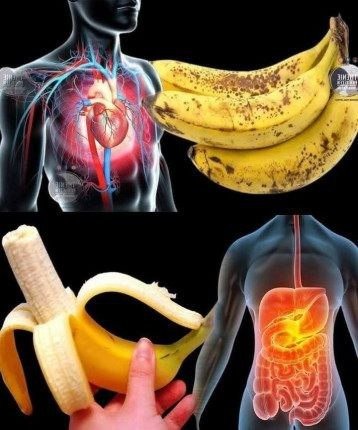
Did You Know That Eating Bananas Increases Energy, Mood, and More? Here’s What Science Really Says
Discover what eating bananas actually increases from energy and potassium to mood support and heart health—backed by science and real-life benefits.
Did you know that eating bananas increases more than just your daily fruit intake?
For decades, bananas have been one of America’s most popular fruits. They’re inexpensive, portable, naturally sweet, and available year-round. But beyond convenience, bananas quietly deliver a powerful combination of nutrients that support energy, digestion, heart health, and even mood balance.
Still, there’s confusion.
Some people believe bananas cause weight gain.
Others think they spike blood sugar.
Fitness enthusiasts swear by them.
Diet trends sometimes avoid them.
So what’s the truth?
In this in-depth guide, we’ll break down exactly what eating bananas increases in your body, how those changes affect your health, and how to use bananas strategically for maximum benefit.
Let’s peel back the facts.
What Eating Bananas Actually Increases
Bananas are nutritionally dense for their size. A medium banana (about 105 calories) contains:
-
~27 grams of carbohydrates
-
~3 grams of fiber
-
~422 mg of potassium
-
Vitamin B6
-
Vitamin C
-
Magnesium
-
Natural sugars (fructose, glucose, sucrose)
But what does that translate to in real life?
1. Bananas Increase Energy Levels
Why?
Bananas contain three natural sugars:
-
Glucose (quick energy)
-
Fructose (sustained energy)
-
Sucrose (balanced release)
Combined with fiber, they provide a steady energy curve instead of a dramatic crash.
That’s why you’ll often see:
-
Marathon runners eating bananas mid-race
-
Gym-goers grabbing one pre-workout
-
Office workers reaching for one at 3 p.m.
Real-World Use Case
If you:
-
Feel afternoon fatigue
-
Work out in the mornings
-
Skip breakfast frequently
A banana paired with protein (like peanut butter or Greek yogurt) can stabilize energy for hours.
2. Bananas Increase Potassium Intake
Potassium is essential for:
-
Heart rhythm regulation
-
Muscle contractions
-
Nerve signaling
-
Blood pressure balance
Many Americans do not meet the recommended potassium intake.
A single banana provides about 9–10% of the daily recommended amount.
Why This Matters
High sodium intake is common in the U.S., especially from processed foods.
Potassium helps counterbalance sodium’s effects, supporting healthy blood pressure levels.
3. Bananas Increase Fiber Intake
Fiber supports:
-
Digestive health
-
Gut microbiome diversity
-
Stable blood sugar
-
Satiety
Bananas contain both soluble and insoluble fiber.
Green (slightly underripe) bananas are especially rich in resistant starch, which feeds beneficial gut bacteria.
Digestive Benefit
If you struggle with:
-
Occasional constipation
-
Irregular digestion
-
Post-meal blood sugar swings
Bananas can be a gentle, natural addition to your diet.
4. Bananas Increase Mood-Supporting Nutrients
Bananas contain:
-
Vitamin B6 (important for neurotransmitter production)
-
Tryptophan (an amino acid involved in serotonin production)
While bananas alone won’t “cure” low mood, they provide nutrients that support brain chemistry.
Why This Matters
Stable blood sugar + steady energy + nutrient support = more consistent mood patterns.
Sometimes mood dips are simply blood sugar crashes in disguise.
5. Bananas Increase Satiety (When Paired Correctly)
On their own, bananas digest relatively quickly.
But when paired with:
-
Protein
-
Healthy fats
-
High-fiber foods
They become part of a balanced, satisfying meal.
Example Combinations
-
Banana + almond butter
-
Banana + cottage cheese
-
Banana + oatmeal + chia seeds
-
Banana + protein smoothie
This pairing reduces hunger and prevents energy crashes.
Do Bananas Increase Blood Sugar?
This is a common concern.
Bananas do contain natural sugars. However:
-
A medium banana has a moderate glycemic index.
-
The fiber slows sugar absorption.
-
Ripeness affects sugar impact (riper = slightly higher glycemic response).
For most healthy individuals, bananas are not problematic.
For those managing diabetes, portion control and pairing with protein is key.
Do Bananas Increase Weight?
Weight gain happens when total calorie intake consistently exceeds energy expenditure.
A banana has about 100–110 calories.
Compared to:
-
A pastry (300+ calories)
-
A candy bar (250+ calories)
-
Sugary coffee drinks (400+ calories)
Bananas are relatively low-calorie and nutrient-dense.
In fact, they may help prevent overeating when used strategically.
The Athletic Advantage
Bananas are popular among athletes for a reason.
They increase:
-
Quick carbohydrate availability
-
Electrolyte replenishment
-
Muscle fuel storage
Research comparing bananas to sports drinks during endurance activity found similar performance benefits, with added fiber and nutrients.
Green vs Yellow vs Brown Bananas
Ripeness changes nutritional effects.
| Stage | Benefit |
|---|---|
| Green | Higher resistant starch, better for gut health |
| Yellow | Balanced sugar and fiber |
| Brown-spotted | Sweeter, quicker energy |
Choose based on your goal:
-
Gut health → Slightly green
-
Everyday snacking → Yellow
-
Pre-workout quick boost → Riper
Common Mistakes People Make With Bananas
1. Eating Them Alone for Breakfast
You may feel hungry again quickly.
Fix: Pair with protein or fat.
2. Avoiding Them Due to Carb Fear
Not all carbs are equal. Whole fruits behave differently than refined sugar.
3. Over-Relying on Smoothies
Liquid calories digest faster. Add fiber sources like oats or chia.
4. Assuming More Is Better
Two to three per day is reasonable for most active adults. Excessive intake isn’t necessary.
Pros and Cons of Eating Bananas
Pros
-
Affordable year-round
-
Portable and convenient
-
Naturally sweet
-
Supports heart health
-
Good pre-workout fuel
-
Gut-friendly (especially slightly green)
Cons
-
Can spike blood sugar if eaten alone in large amounts
-
May not keep you full long without pairing
-
Overripe versions digest quickly
Overall, benefits outweigh drawbacks for most people.
How to Use Bananas Strategically
For Energy at Work
Mid-morning banana + handful of nuts.
For Weight Management
Slice into plain Greek yogurt for volume and protein.
For Athletic Performance
Eat one 30–60 minutes before training.
For Gut Health
Choose slightly underripe bananas.
For Dessert Replacement
Freeze slices and blend for a creamy, no-added-sugar treat.
The Bigger Health Context
No single food transforms your health.
But small, consistent choices matter.
Bananas work best as part of:
-
A balanced whole-food diet
-
Adequate protein intake
-
Regular physical activity
-
Proper hydration
When combined with these, they become a simple but powerful tool.
FAQs
1. How many bananas can I eat per day?
For most healthy adults, 1–2 per day fits well within a balanced diet.
2. Are bananas good before bed?
Yes. They contain magnesium and carbs that may support relaxation for some people.
3. Do bananas help muscle cramps?
Potassium supports muscle function, but cramps often involve hydration and overall electrolyte balance.
4. Are bananas good for heart health?
Yes. Potassium and fiber both support cardiovascular function.
5. Can bananas help with digestion?
Yes. Especially slightly green bananas due to resistant starch.
6. Are bananas safe for diabetics?
Generally yes, in moderation and paired with protein. Individual response varies.
7. Do bananas increase metabolism?
They support energy production but do not dramatically increase metabolic rate.
8. Are organic bananas better?
Nutritionally similar. Wash and peel conventional bananas properly.
Future Trends in Nutrition
As research on gut health and metabolic health expands, resistant starch and whole-fruit consumption are receiving renewed attention.
Bananas fit neatly into modern evidence-based nutrition patterns, including:
-
Mediterranean-style diets
-
Whole-food plant-forward eating
-
Performance-based nutrition plans
They’re simple — but science-supported.
Final Thoughts
So, did you know that eating bananas increases:
-
Energy stability
-
Potassium levels
-
Digestive support
-
Mood-related nutrients
-
Satiety (when paired wisely)
They’re not magic.
But they’re practical.
In a world filled with expensive superfoods and complicated diet trends, bananas remain one of the most affordable, accessible, and effective everyday health tools available.
Your Next Step
Try this tomorrow:
Replace one processed snack with a banana paired with protein.
Notice your energy.
Notice your focus.
Notice your hunger levels.
Small changes, repeated daily, create lasting impact.
If you found this helpful, share it with someone who still thinks bananas are “just carbs.” 🍌