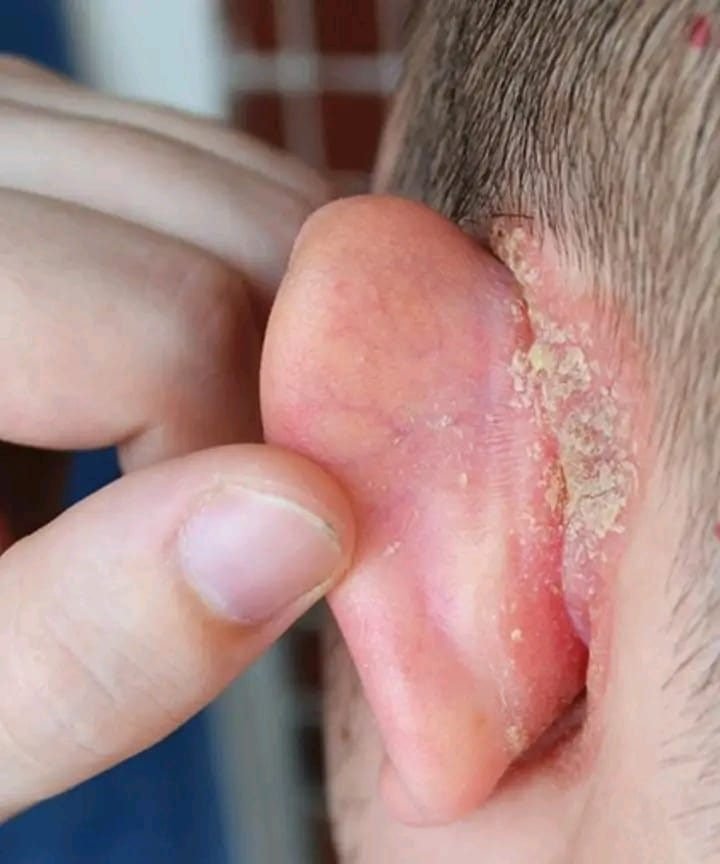
My Child Woke Up With a Spot on Their Ear: What It Could Be and How to Care for It Until the Doctor’s Appointment
Noticed a spot on your child’s ear this morning? Learn the common causes, what symptoms to watch for, and safe home care steps until your pediatric appointment.
When You Notice Something New on Your Child’s Ear
Parents know the feeling.
Your child wakes up in the morning, and while brushing their hair or helping them get dressed, you suddenly notice a spot on their ear that wasn’t there before.
Maybe it’s:
-
a small red bump
-
a dark or purple mark
-
a tiny blister
-
a swollen area
-
or what looks like a bite
Your mind immediately jumps to questions.
Is it an infection? An insect bite? Something serious? Should I treat it now or wait for the doctor?
The good news is that most ear spots in children are harmless and temporary. Many resolve on their own within a few days. Still, it’s completely reasonable to keep an eye on it and take gentle steps to care for the area until your child’s medical appointment.
In this guide, we’ll walk through:
-
The most common causes of spots on a child’s ear
-
Signs that help you identify what it might be
-
Safe home care steps you can take right now
-
Warning signs that require urgent medical attention
-
Practical tips to keep your child comfortable until the appointment
Why the Ear Is a Common Place for Spots or Bumps
Children’s ears are surprisingly vulnerable to skin changes because they are:
-
Exposed to the environment (sun, insects, allergens)
-
Thin-skinned and sensitive
-
Frequently touched or rubbed
-
Pressed during sleep
Because of this, small spots or bumps can appear quickly and often disappear just as fast.
Common Causes of a Spot on a Child’s Ear
Here are several possible explanations pediatricians commonly see.
1. Insect Bite
One of the most common reasons for a sudden ear spot is a mosquito or insect bite.
Children may get bitten during:
-
sleep
-
outdoor play
-
camping trips
-
warm weather evenings
Typical signs:
-
small red bump
-
mild swelling
-
itching
-
sometimes a tiny puncture in the center
Kids often rub or scratch the area, which can make it look more irritated.
What helps:
-
a cool compress
-
gentle cleansing
-
preventing scratching
Most bites improve within 24–72 hours.
2. Minor Skin Irritation
Sometimes a spot appears because of simple irritation.
Common triggers include:
-
hair products
-
soap residue
-
sweat
-
friction from hats or headphones
Children with sensitive skin may develop small red patches or bumps.
Signs of irritation:
-
redness
-
slightly dry or rough skin
-
mild itching
-
no spreading
These usually calm down quickly once the skin is cleaned and left alone.
3. A Small Pimple or Blocked Pore
Yes — children can get pimples on their ears.
The outer ear has oil glands and hair follicles, which means clogged pores can occasionally form.
You might notice:
-
a tiny white or red bump
-
mild tenderness
-
no major swelling
These bumps often resolve naturally without treatment.
Avoid squeezing them, as that can cause infection.
4. Mild Allergic Reaction
If your child recently used something new, the spot could be related to an allergic reaction.
Possible triggers include:
-
shampoo
-
laundry detergent
-
sunscreen
-
jewelry (especially nickel earrings)
Signs may include:
-
redness
-
itching
-
slightly raised patches
-
similar spots elsewhere on the skin
5. Pressure Mark From Sleeping
Sometimes the explanation is surprisingly simple.
Children who sleep with their ear folded against a pillow or toy may wake up with:
-
a red or purplish spot
-
mild swelling
-
temporary skin indentation
These marks usually fade within a few hours.
6. Small Bruise
Active children bump into things all the time.
A mild ear bruise may look like:
-
purple
-
dark red
-
slightly swollen
If your child was playing the day before, a small bump could have gone unnoticed.
Bruises usually improve over several days.
7. Early Skin Infection
Occasionally a spot may signal the beginning of a minor skin infection.
This can happen if bacteria enter the skin through:
-
scratching
-
a small cut
-
an insect bite
Watch for:
-
increasing redness
-
warmth
-
tenderness
-
spreading swelling
If these symptoms worsen, medical evaluation becomes more important.
How to Care for the Spot Until Your Doctor Appointment
While waiting for your pediatric visit, focus on simple, gentle care.
Step 1: Clean the Area
Wash the spot once or twice daily with:
-
lukewarm water
-
mild soap
Avoid scrubbing.
Pat the area dry with a clean towel.
Step 2: Use a Cool Compress
A cool compress can help reduce:
-
swelling
-
redness
-
itching
How to do it:
-
Wrap ice or a cold pack in a cloth.
-
Apply for 10–15 minutes.
-
Repeat a few times per day if needed.
Never place ice directly on skin.
Step 3: Prevent Scratching
Children often scratch itchy spots, which can worsen irritation.
You can help by:
-
keeping nails trimmed
-
distracting with activities
-
covering the spot lightly if necessary
Step 4: Avoid New Products
Until you know the cause, avoid applying:
-
perfumes
-
creams with strong chemicals
-
new hair products
Simple care is best.
Step 5: Monitor Changes
Take a quick look at the spot once or twice a day.
Watch for:
-
size changes
-
spreading redness
-
new symptoms
Taking a photo can help you track changes and show the doctor later.
Signs That Require Immediate Medical Attention
While most ear spots are harmless, certain symptoms should not be ignored.
Seek prompt medical care if you notice:
-
rapid swelling of the ear
-
severe pain
-
fever
-
pus or drainage
-
spreading redness
-
the ear becoming very warm
-
a rash appearing across the body
-
breathing difficulty or facial swelling
These signs could indicate a more serious infection or allergic reaction.
Common Parent Concerns (And Reassurance)
Parents often worry about worst-case scenarios when they see a new spot.
Here’s some reassurance.
Most Ear Spots Are Temporary
Minor skin reactions in children often resolve within 1–3 days.
Children’s Skin Reacts Quickly
Kids’ skin can show dramatic redness even from mild irritation.
Observation Is Often Enough
Many pediatricians simply recommend watching the area for changes before treating aggressively.
Practical Example
Imagine this common scenario.
A 6-year-old wakes up with a small red bump on the outer ear.
The child:
-
feels fine
-
has no fever
-
says it itches slightly
The parent cleans the area, applies a cool compress, and monitors it.
Within two days, the swelling decreases and the bump fades — likely an insect bite.
This is a typical outcome for many cases.
Common Mistakes Parents Make
When caring for a child’s skin spot, avoid these common mistakes.
Using Strong Medications Immediately
Many over-the-counter creams are unnecessary unless recommended by a doctor.
Popping or Squeezing the Spot
This can introduce bacteria and cause infection.
Applying Multiple Products
Mixing ointments and creams may irritate the skin further.
Ignoring Rapid Changes
If the spot grows quickly or becomes painful, it’s best to get medical advice sooner.
Expert Tips Pediatric Nurses Often Share
Experienced pediatric nurses often recommend simple but effective strategies.
Keep it clean and dry.
Avoid touching it frequently.
Let the skin heal naturally whenever possible.
Sometimes the best treatment is simply time and observation.
Frequently Asked Questions
Should I put antibiotic ointment on the spot?
Not necessarily. If the skin isn’t broken or infected, gentle cleaning is usually enough until a doctor evaluates it.
Could it be an ear infection?
Ear infections typically cause pain inside the ear, fever, or trouble hearing—not just a spot on the outer ear.
What if the spot is purple?
A purple spot may be a small bruise or pressure mark. Monitor it for changes.
Can insect bites appear overnight?
Yes. Many insect bites are noticed when children wake up.
Should I cover the spot with a bandage?
Usually it’s better to leave it uncovered unless your child keeps scratching it.
Is it safe to use antihistamines for itching?
Only use medications recommended by your pediatrician.
How long should I wait before worrying?
If the spot doesn’t improve within 3–5 days, your doctor should evaluate it.
Could it be something contagious?
Most simple spots or bites are not contagious.
Should I cancel outdoor activities?
Not unless your child feels uncomfortable or symptoms worsen.
Quick Parent Checklist
Until your child’s appointment:
✔ Clean the spot gently
✔ Apply a cool compress if swollen
✔ Prevent scratching
✔ Avoid new skin products
✔ Monitor for changes
✔ Take a photo to track progress
These simple steps often provide enough care until your pediatric visit.
Conclusion
Finding a spot on your child’s ear can feel alarming at first, especially when it appears suddenly overnight.
But in many cases, the cause is something simple like:
-
an insect bite
-
mild irritation
-
a small pimple
-
pressure from sleeping
With gentle care and observation, these spots often improve quickly.
Still, trusting your instincts as a parent is important. If something doesn’t look right or symptoms worsen, seeking medical advice is always the safest choice.
A new spot on your child’s ear is usually harmless and temporary. Keep the area clean, monitor it for changes, and avoid unnecessary treatments until your pediatric appointment.
If you’ve experienced something similar, many parents find it helpful to compare notes.
What did the spot on your child’s ear look like, and how long did it take to disappear? Sharing experiences can often reassure other parents going through the same situation.