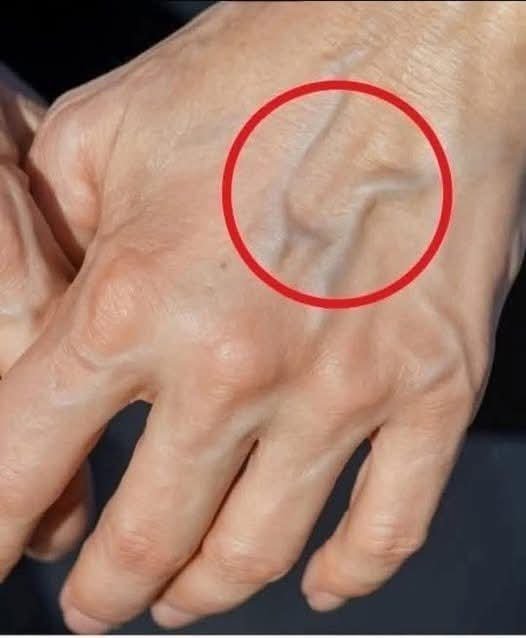
If You Have Visible Veins, It Could Mean This About Your Health
Visible veins aren’t always cosmetic. Learn what prominent veins can indicate about your health, circulation, and lifestyle—and when to see a doctor.
What Visible Veins Really Mean
Many people notice veins that stand out on their arms, legs, or hands. While some think it’s purely cosmetic, visible veins can actually offer clues about your health, circulation, and lifestyle.
Whether it’s a family trait or something new, paying attention to your veins can help you understand your body better.
Common Reasons Veins Become Visible
1. Genetics and Skin Type
Thin or fair skin makes veins easier to see. If your parents had prominent veins, it’s often hereditary.
2. Age
As we age, skin loses elasticity and fat, making veins appear more prominent, especially on the hands and arms.
3. Low Body Fat or Muscle Definition
People with low body fat or higher muscle tone often have more visible veins. Fitness enthusiasts often notice vascularity after working out.
4. Temporary Factors
Veins can appear more prominent after:
-
Exercise or weightlifting
-
Hot weather
-
Hormonal changes
-
Dehydration
What Visible Veins Could Indicate About Health
While many prominent veins are harmless, sometimes they may point to underlying health concerns.
1. Circulation Issues
Swollen or bulging veins, especially in the legs, could indicate varicose veins or poor venous circulation.
2. Blood Clot Risk
If veins suddenly become painful, red, or swollen, it could signal deep vein thrombosis (DVT)—a medical emergency.
3. Vitamin or Nutrient Deficiencies
Weak connective tissue from low vitamin C or K levels can make veins more visible.
4. High Blood Pressure or Heart Conditions
Chronic high blood pressure can sometimes make veins more noticeable, particularly in the face, hands, or legs.
When Visible Veins Are Usually Harmless
-
They are symmetric and not painful
-
Appear gradually due to aging, fitness, or weight loss
-
Disappear or shrink after rest or warmth
Tips to Maintain Healthy Veins
-
Stay Active: Regular walking or movement helps blood circulate efficiently.
-
Maintain Healthy Weight: Reduces pressure on leg veins.
-
Elevate Legs: Helps prevent blood pooling in lower limbs.
-
Wear Compression Socks: Can support circulation for people with varicose veins.
-
Stay Hydrated: Dehydration can make veins appear more prominent.
-
Eat a Nutrient-Rich Diet: Vitamins C, K, and bioflavonoids support vein strength.
Red Flags: When to See a Doctor
Seek medical advice if visible veins are accompanied by:
-
Pain, tenderness, or swelling
-
Red or warm skin around the vein
-
Sudden changes in appearance
-
Bleeding or skin ulcers
-
Veins that feel hard or rope-like
Early evaluation can prevent complications like blood clots, chronic venous insufficiency, or vascular disease.
Visible veins are often normal and influenced by genetics, age, and fitness, but they can sometimes indicate circulatory or vascular issues.
Pay attention to accompanying symptoms like pain, swelling, or redness, and consult a healthcare professional if you notice sudden or unusual changes.
Healthy veins are part of overall wellness, so combining regular movement, balanced nutrition, and circulation-friendly habits can keep them strong—and your body healthy.