Diabetes Symptoms at Night: 7 Warning Signs of High Blood Sugar That Often Get Worse After 10 PM
Discover 7 night time diabetes symptoms that may signal high blood sugar after 10 PM. Learn what they mean, why they happen, and practical steps to manage them safely.
Why Blood Sugar Problems Often Show Up at Night
You finally crawl into bed after a long day. The house is quiet. The lights are off.
But instead of drifting into sleep, something feels… off.
You’re suddenly thirsty. Your mouth feels dry. Maybe you’re getting up repeatedly to use the bathroom. Or you wake up drenched in sweat, confused about why your sleep feels so restless.
For many people living with diabetes—or those who may not even know they have it—nighttime can reveal symptoms that stay hidden during the day.
Blood sugar doesn’t simply “turn off” when you sleep. In fact, your body goes through several hormonal changes overnight that can raise blood glucose levels, especially after 10 PM.
If you’ve been noticing strange nighttime patterns, your body might be sending early warning signals.
In this guide, we’ll explore:
-
The top 7 diabetes symptoms that commonly appear at night
-
Why blood sugar spikes after 10 PM
-
How nighttime symptoms differ from daytime symptoms
-
Practical strategies to improve nighttime glucose control
-
When it’s time to speak with a healthcare professional
Understanding these signs early can make a meaningful difference in preventing long-term complications and improving sleep quality.
Why High Blood Sugar Often Gets Worse After 10 PM
Many people assume blood sugar rises only after meals.
But nighttime physiology tells a different story.
Several factors can cause blood glucose levels to rise during late evening and overnight hours:
1. The Dawn Phenomenon
During the early morning hours, the body releases hormones such as:
-
Cortisol
-
Growth hormone
-
Glucagon
These hormones prepare the body for waking up—but they also raise blood sugar levels.
2. Late-Night Eating Habits
Many Americans eat their largest meal at dinner or snack late at night. Foods high in:
-
Refined carbohydrates
-
Sugar
-
Processed snacks
can cause glucose spikes that continue into the night.
3. Reduced Physical Activity
After dinner, most people are sedentary—watching TV, scrolling on their phones, or relaxing.
Without movement, the body becomes less efficient at using glucose.
4. Insulin Resistance During Sleep
In people with type 2 diabetes or prediabetes, the body may struggle to manage glucose while sleeping.
This can lead to gradual blood sugar increases overnight.
The Top 7 Nighttime Symptoms of High Blood Sugar
Not every symptom appears in every person.
But these seven nighttime signs are among the most commonly reported by people managing diabetes.
1. Frequent Nighttime Urination (Nocturia)
One of the earliest signs of high blood sugar is waking up repeatedly to urinate during the night.
When glucose levels rise too high, the kidneys attempt to remove the excess sugar through urine.
This causes:
-
Increased urine production
-
Frequent bathroom trips
-
Interrupted sleep
What it may feel like
You may notice:
-
Waking up 2–4 times per night
-
Large urine volume
-
Difficulty falling back asleep
Why it matters
Frequent nighttime urination can lead to:
-
Sleep deprivation
-
Dehydration
-
Daytime fatigue
If it happens consistently, it’s worth discussing with a healthcare provider.
2. Extreme Thirst at Night
Have you ever woken up with your mouth feeling like sandpaper?
That intense nighttime thirst may be linked to high blood sugar levels.
As the body loses fluids through increased urination, it tries to compensate by triggering thirst signals.
Common signs include:
-
Dry mouth
-
Craving cold water
-
Drinking multiple glasses of water overnight
This cycle of thirst → drinking → urinating can repeat several times during the night.
3. Night Sweats
Many people associate night sweats with hormonal changes or infections.
But for individuals with diabetes, blood sugar fluctuations can also trigger sweating episodes during sleep.
You may notice:
-
Damp pajamas
-
Sheets soaked with sweat
-
Sudden warmth or overheating
While low blood sugar can cause sweating, high blood sugar can disrupt temperature regulation as well.
If night sweats happen frequently alongside other symptoms, it may signal glucose imbalance.
4. Restless or Poor-Quality Sleep
High blood sugar doesn’t just affect the body—it affects the brain.
Elevated glucose levels can disrupt sleep cycles and cause:
-
Restlessness
-
Frequent waking
-
Difficulty staying asleep
-
Light, non-restorative sleep
Some people describe it as feeling tired even after a full night in bed.
Over time, chronic sleep disruption can worsen insulin resistance, creating a frustrating cycle.
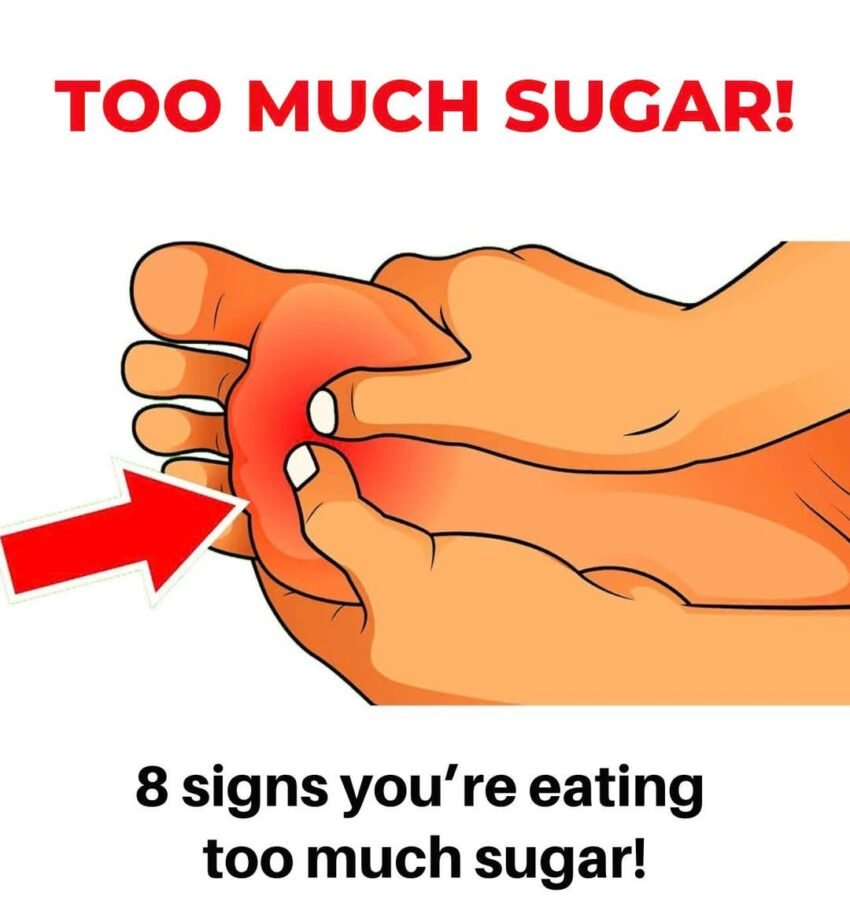
5. Tingling or Burning Sensation in the Feet
Late-night hours are when many people notice nerve-related symptoms most clearly.
This can include:
-
Tingling in the toes
-
Burning sensations
-
Sharp or stabbing pains
-
Numbness
These symptoms may indicate early diabetic neuropathy, a type of nerve damage linked to prolonged high blood sugar.
Why does it feel worse at night?
During quiet moments without distractions, the nervous system becomes more sensitive to subtle sensations.
6. Blurred Vision at Night
High blood sugar can affect the tiny blood vessels and fluid balance in the eyes.
This may lead to temporary vision changes, especially at night.
You might experience:
-
Difficulty focusing on screens
-
Blurred text
-
Sensitivity to light
-
Trouble driving at night
These symptoms may improve once blood sugar stabilizes.
However, persistent vision changes should always be evaluated by an eye specialist.
7. Unexplained Fatigue the Next Morning
Sometimes the biggest sign of nighttime blood sugar problems appears the next day.
You may wake up feeling:
-
Exhausted
-
Mentally foggy
-
Irritable
-
Unmotivated
Even after 7–8 hours in bed, your body may feel like it never fully rested.
Poor glucose control overnight can leave the brain and muscles without stable energy.
Why Nighttime Symptoms Often Go Ignored
Many people dismiss these signs as normal aging or lifestyle issues.
For example:
| Symptom | Often Misinterpreted As |
|---|---|
| Night urination | Drinking too much water |
| Fatigue | Stress or poor sleep habits |
| Tingling feet | Circulation issues |
| Night sweats | Warm bedroom temperature |
But when multiple symptoms occur together, it’s worth paying attention.
Early awareness can help prevent complications such as:
-
Nerve damage
-
Eye disease
-
Kidney problems
-
Cardiovascular risk
A Real-World Scenario
Consider this common situation.
Michael, a 47-year-old office manager in Ohio, began waking up three times a night to use the bathroom.
He assumed it was simply part of getting older.
Then he started noticing:
-
Constant thirst
-
Burning sensations in his feet
-
Difficulty sleeping
After mentioning it during a routine checkup, his doctor ordered blood tests.
The result?
Prediabetes with elevated nighttime glucose levels.
With dietary changes, evening walks, and glucose monitoring, his symptoms improved significantly within months.
Stories like this highlight how small nighttime clues can reveal bigger health patterns.
Practical Steps to Manage Nighttime Blood Sugar
Improving nighttime glucose control doesn’t always require drastic changes.
Small, consistent habits can make a meaningful difference.
1. Adjust Dinner Timing
Try to finish dinner 2–3 hours before bedtime.
This gives your body time to process glucose before sleep.
2. Choose Balanced Evening Meals
Focus on meals that include:
-
Lean protein
-
Fiber-rich vegetables
-
Healthy fats
-
Complex carbohydrates
These help stabilize blood sugar.
3. Take a Short Evening Walk
Even 10–20 minutes of light walking after dinner can improve glucose metabolism.
4. Limit Late-Night Sugar
Common nighttime glucose triggers include:
-
Ice cream
-
Soda
-
Candy
-
Sweetened cereal
Replacing these with protein-based snacks can help.
5. Stay Hydrated During the Day
Proper hydration supports kidney function and glucose balance.
6. Monitor Blood Sugar Levels
For people with diagnosed diabetes, checking glucose before bed can reveal important patterns.
Common Mistakes People Make
Even well-intentioned habits can sometimes worsen nighttime blood sugar.
Mistake 1: Skipping Dinner
Skipping meals may lead to late-night overeating and glucose spikes.
Mistake 2: Heavy Carb Snacks Before Bed
Foods like chips, cookies, or white bread can trigger overnight glucose elevation.
Mistake 3: Ignoring Subtle Symptoms
Early warning signs are easy to overlook.
Tracking symptoms in a journal can reveal patterns.
Expert Tips Many People Don’t Know
Evening Stress Can Raise Blood Sugar
Stress hormones increase glucose production.
Relaxation techniques such as:
-
light stretching
-
meditation
-
reading
can support healthier nighttime levels.
Sleep Consistency Matters
Going to bed at the same time each night helps regulate metabolic hormones.
Bedroom Temperature Can Influence Sleep Quality
Cooler rooms often support deeper sleep and improved hormonal balance.
Why This Matters in the United States
Diabetes affects tens of millions of Americans.
According to research from the Centers for Disease Control and Prevention (CDC), over 37 million people in the U.S. live with diabetes, and millions more have prediabetes.
Nighttime symptoms often go unnoticed until routine screenings reveal elevated blood glucose levels.
Early awareness empowers people to take proactive steps before complications develop.
Looking Ahead: Trends in Diabetes Monitoring
Healthcare technology is evolving rapidly.
In recent years, many people have started using continuous glucose monitoring (CGM) devices.
These small wearable sensors track glucose levels 24/7 and can reveal patterns such as:
-
nighttime spikes
-
dawn phenomenon
-
post-meal glucose responses
As these tools become more accessible, people may gain better insight into how nighttime habits affect blood sugar.
Frequently Asked Questions
1. Why does blood sugar rise during sleep?
Hormones released overnight can signal the liver to release glucose. In people with insulin resistance, this can lead to elevated levels.
2. Is waking up to urinate always a diabetes symptom?
Not always. It can also be linked to hydration habits, medications, or prostate conditions. Persistent nighttime urination should be evaluated.
3. Can high blood sugar cause insomnia?
Yes. Elevated glucose may disrupt sleep cycles and cause restlessness.
4. Should I check my blood sugar at night?
People with diabetes may benefit from occasional nighttime checks if recommended by a healthcare professional.
5. Are nighttime symptoms more common in type 2 diabetes?
They can occur in both type 1 and type 2 diabetes, but insulin resistance often contributes to nighttime spikes in type 2.
6. Can diet changes reduce nighttime symptoms?
Yes. Balanced meals, lower sugar intake, and evening activity can help regulate glucose levels.
7. When should I see a doctor?
If symptoms such as frequent urination, excessive thirst, or tingling persist, a medical evaluation is recommended.
8. Do nighttime symptoms mean diabetes is severe?
Not necessarily. They may simply indicate glucose imbalance that needs attention.
9. Can dehydration worsen nighttime symptoms?
Yes. Dehydration can intensify thirst and fatigue associated with high blood sugar.
10. Is poor sleep linked to blood sugar control?
Yes. Sleep deprivation can worsen insulin resistance and increase glucose levels.
Quick Action Checklist
If you suspect nighttime blood sugar issues, consider the following steps:
✔ Finish dinner earlier in the evening
✔ Avoid sugary snacks before bed
✔ Take a short walk after meals
✔ Track nighttime symptoms
✔ Maintain a consistent sleep schedule
✔ Stay hydrated throughout the day
✔ Speak with a healthcare professional if symptoms persist
Conclusion
Nighttime often reveals what daytime routines hide.
Frequent bathroom trips, intense thirst, restless sleep, or tingling feet may seem like small inconveniences—but together, they can signal underlying blood sugar imbalances.
Recognizing these early warning signs gives you an opportunity to make informed changes and seek guidance before complications develop.
Small adjustments—like improving evening nutrition, adding light activity, and paying attention to sleep patterns—can have a powerful impact on overall health.
Your body doesn’t stop communicating when the lights go out.
If you’re experiencing unusual symptoms after 10 PM, it may be worth paying closer attention to what your body is telling you.
Awareness today can lead to healthier nights—and healthier years ahead.
If this guide helped you understand nighttime diabetes symptoms, consider sharing it with someone who might benefit. You’re also welcome to leave a comment about your experience or questions—your story could help others recognize the signs earlier.