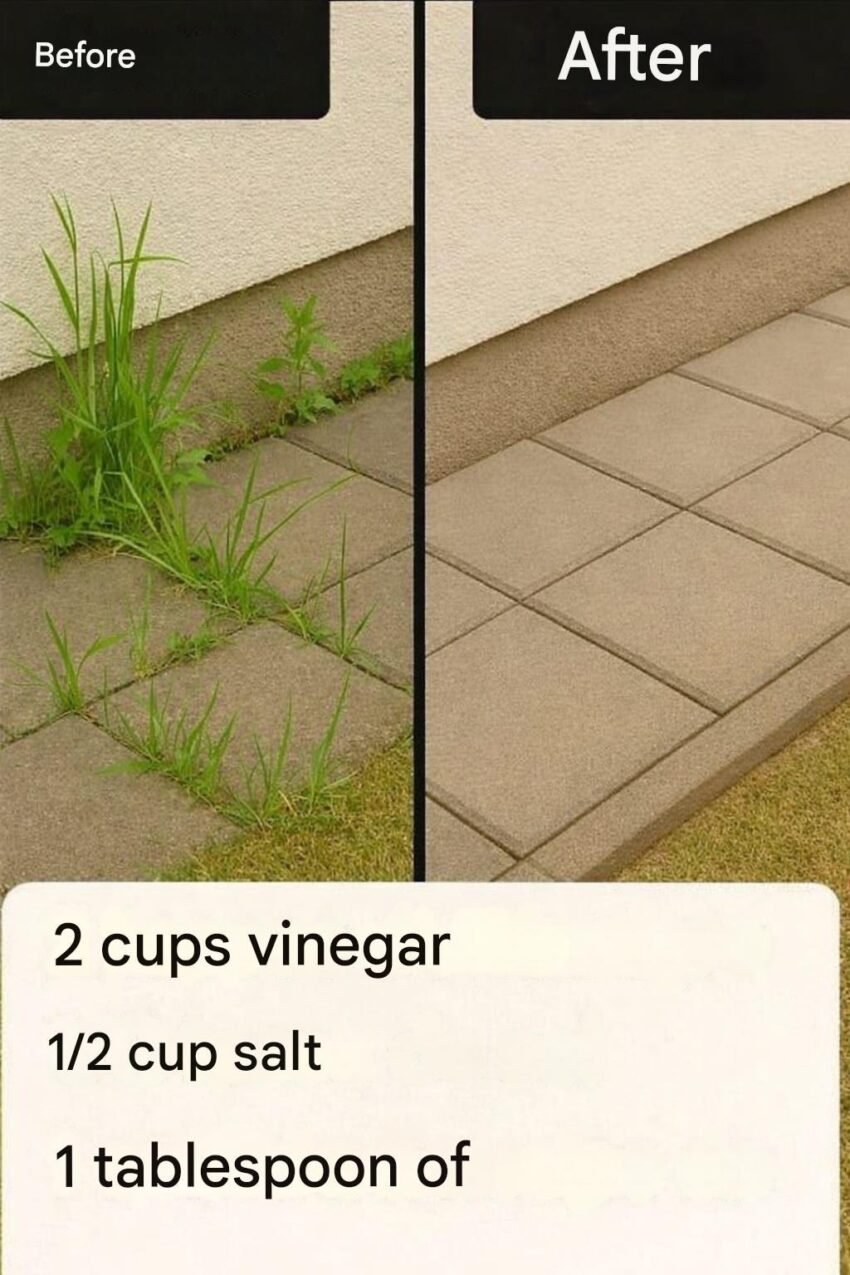
How to Make a Super Effective Homemade Herbicide: Kill Weeds Naturally
Learn how to make a safe, powerful homemade herbicide using simple ingredients. Keep your garden weed-free without harsh chemicals.
Stop Weeds Without Harming Your Garden
Weeds can overrun a garden, lawn, or pathway, stealing nutrients and sunlight from the plants you love.
While commercial herbicides work, they often contain harsh chemicals that can harm the soil, pets, and beneficial insects.
The good news? You can make a super effective homemade herbicide with ingredients you likely already have at home.
This guide will show you:
-
Simple recipes for homemade weed killers
-
Step-by-step instructions for application
-
Safety tips to protect your plants and pets
-
How to target stubborn weeds effectively
Why Homemade Herbicides Work
Many weeds are sensitive to acidity, dehydration, or natural plant toxins. Homemade herbicides exploit these properties.
-
Vinegar: High acidity burns and dries out weed leaves
-
Salt: Dehydrates plants and disrupts cellular water balance
-
Soap: Helps ingredients stick to leaves and penetrate plant tissues
When combined correctly, these ingredients create a natural weed killer that’s safe, effective, and environmentally friendly.
Ingredients You’ll Need
-
White vinegar (5–10% acidity)
-
Table salt or Epsom salt
-
Liquid dish soap (non-toxic, biodegradable)
-
Optional: Cayenne pepper or essential oils for extra potency
Step-by-Step Recipe for Homemade Herbicide
Ingredients:
-
1 gallon of white vinegar
-
1 cup of salt
-
1 tablespoon of liquid dish soap
Instructions:
-
Pour vinegar into a large container.
-
Add salt and stir until fully dissolved.
-
Mix in liquid dish soap; this helps the solution cling to weed leaves.
-
Pour the mixture into a spray bottle for easy application.
Optional: Add 1–2 teaspoons of cayenne pepper or essential oils like clove for extra herbicidal power.
How to Apply Your Homemade Herbicide
-
Choose a sunny day – the heat amplifies the solution’s effect.
-
Target weeds directly – spray only on weed leaves, avoiding nearby plants you want to keep.
-
Use gloves – vinegar and salt can irritate skin.
-
Repeat if necessary – stubborn weeds may need a second application after a few days.
Tips for Maximum Effectiveness
-
Use stronger vinegar for tough weeds – horticultural vinegar (10–20% acidity) works best.
-
Avoid overwatering before spraying – wet soil may dilute the herbicide.
-
Apply during mid-day sun – the combination of acidity and sunlight dries out leaves faster.
-
Combine methods – pulling large weeds first improves results.
Pros and Cons of Homemade Herbicides
Pros:
-
Safe for pets and children if used carefully
-
Environmentally friendly
-
Cost-effective and easy to make
-
Avoids harmful chemicals
Cons:
-
Can harm nearby plants if sprayed directly
-
May require multiple applications for tough weeds
-
Works best on young, tender weeds rather than established perennials
Common Mistakes to Avoid
-
Spraying on windy days – can drift onto plants you want to save
-
Using too much salt – can damage soil health long-term
-
Applying during rain – reduces effectiveness
-
Not wearing gloves – can irritate skin
Alternative Homemade Herbicide Options
-
Boiling water: Pour directly onto weeds for immediate wilting
-
Cornmeal gluten: Prevents weed seeds from sprouting in lawns
-
Newspaper or cardboard mulch: Blocks sunlight to prevent growth naturally
Real-World Example
A small garden in a suburban yard was overrun by dandelions and crabgrass. By applying this vinegar, salt, and soap mixture on a sunny morning, the weeds wilted within hours.
After repeating the process twice over a week, the garden was free from weeds without harming flowers or vegetables nearby.
Frequently Asked Questions
Q1: Is this safe for vegetable gardens?
Only apply directly on weeds. Avoid spraying edible plants.
Q2: Can I use baking soda instead of salt?
Baking soda works for small patches but is less effective on large weeds.
Q3: Will this kill grass too?
Yes, this solution is non-selective. Be careful around lawns.
Q4: How long does it take to see results?
Most weeds show signs of wilting within hours; complete results in 2–3 days.
Q5: Can I store leftover herbicide?
Yes, in a sealed container for up to 1 month, but shake before use.
Quick Action Checklist
✔ Identify weeds early for best results
✔ Use vinegar, salt, and soap mixture as described
✔ Apply on sunny, dry days
✔ Protect nearby plants and soil
✔ Repeat application for tough weeds
Conclusion
With this homemade herbicide, you can keep your garden or yard weed-free naturally and safely.
By using simple household ingredients, you avoid harsh chemicals while effectively controlling weeds.
A strong, natural homemade herbicide made with vinegar, salt, and soap can save your garden from weeds without harming the environment. With proper application and care, it’s an easy, effective, and eco-friendly solution for gardeners.