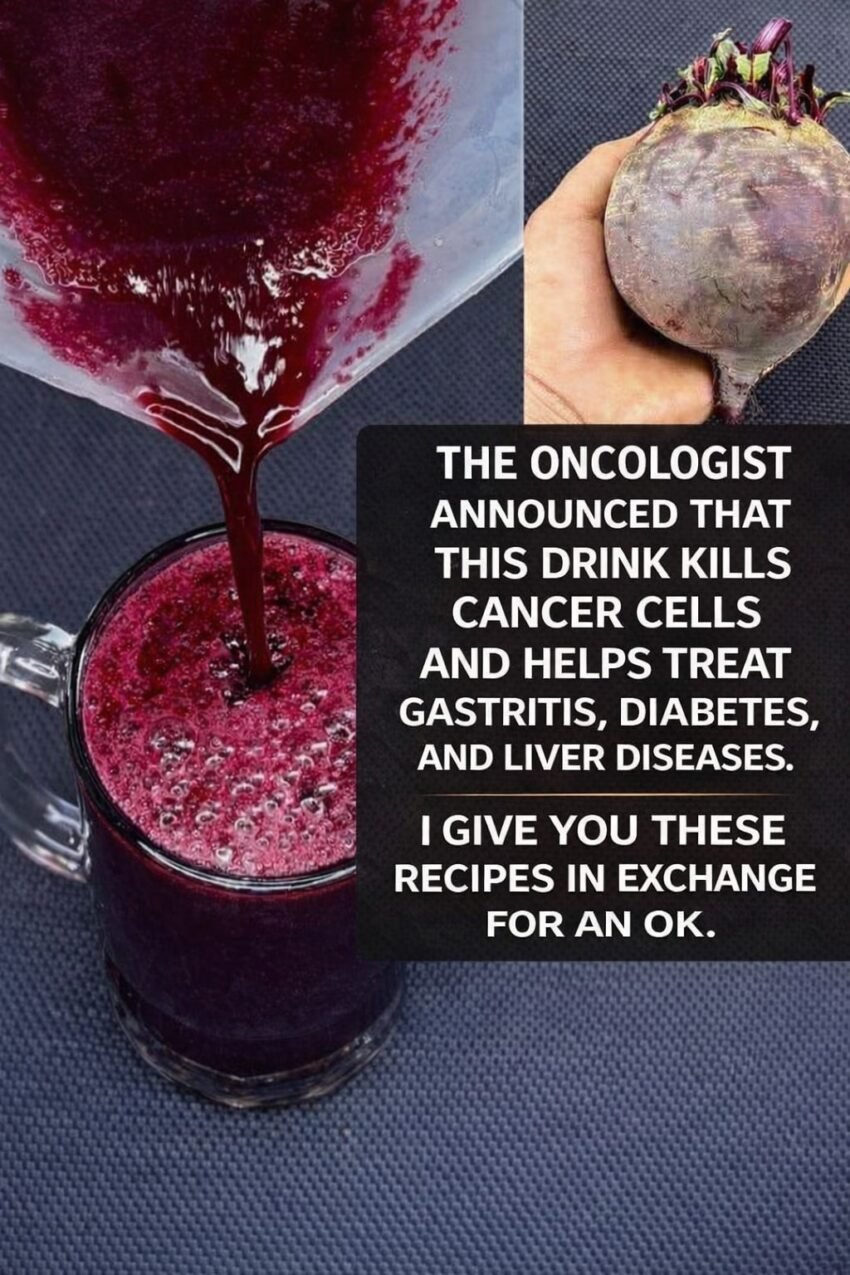
ALERT! The Truth About Beetroot Juice and Cancer Claims You’re Seeing Everywhere
Viral claims say beetroot juice kills cancer cells in 42 days. Here’s what science actually says—benefits, limits, and safe facts you need to know.
Introduction: Why This Beetroot Juice Claim Is Spreading So Fast
If you’ve been scrolling social media or wellness blogs lately, you’ve probably seen a bold headline like:
“ALERT! Beetroot Juice Kills Cancer Cells in Just 42 Days!”
It’s shocking. It’s hopeful. And for people facing serious illness, it’s emotionally powerful.
But here’s the uncomfortable truth: extraordinary health claims require extraordinary evidence—and in this case, that evidence does not exist in the way these headlines suggest.
That doesn’t mean beetroot juice is useless. Far from it.
It does have scientifically studied properties that may support overall health and may play a supportive role in wellness.
This article breaks down the facts—clearly, honestly, and without fear-mongering.
Understanding Where the “42 Days” Cancer Claim Comes From
The “42 days” narrative usually originates from:
-
Misinterpreted laboratory (test-tube) studies
-
Exaggerated summaries of animal research
-
Wellness influencers combining timelines with detox myths
-
Clickbait marketing designed to trigger hope and urgency
Important distinction most headlines ignore:
-
Cancer cells in a lab dish ≠ cancer in the human body
-
Lab conditions are controlled, isolated, and not comparable to real human biology
No credible oncology organization or licensed medical authority has confirmed that beetroot juice:
-
Kills cancer in humans
-
Works within a fixed timeline
-
Replaces medical treatment
What Beetroot Juice Actually Contains (Science, Not Hype)
Beetroot is nutritionally impressive. That’s where the story should begin.
Key Compounds in Beetroot Juice
-
Betalains – antioxidant pigments with anti-inflammatory activity
-
Nitrates – support blood flow and cardiovascular health
-
Vitamin C – immune system support
-
Folate – important for cell function
-
Polyphenols – plant compounds studied for cellular protection
These compounds are why beetroot juice has been researched—not because it’s a cure.
What Research Really Says About Beetroot and Cancer Cells
1. Laboratory Studies (In Vitro)
Some studies show beetroot extracts can:
-
Reduce oxidative stress in cells
-
Influence cell signaling pathways
-
Show cytotoxic effects on certain cancer cell lines in lab settings
⚠️ This does not mean:
-
The same effect happens in humans
-
Drinking juice reproduces lab concentrations
-
Tumors disappear in real bodies
2. Animal Studies
In some animal models, beetroot compounds have been observed to:
-
Reduce inflammation
-
Support antioxidant defenses
Again, animal results cannot be directly applied to humans.
3. Human Studies
Here’s the most important part:
👉 There are NO clinical trials proving beetroot juice cures or kills cancer in humans.
Human studies focus on:
-
Blood pressure improvement
-
Exercise performance
-
Vascular health
-
General antioxidant support
Not cancer eradication.
Why “Killing Cancer Cells” Headlines Are Dangerous
These claims can unintentionally cause harm by:
-
Delaying medical treatment
-
Creating false hope
-
Encouraging people to abandon proven therapies
-
Exploiting fear and desperation
Oncology professionals consistently warn against single-food cure narratives.
Cancer is not one disease. It’s hundreds of complex conditions.
What Beetroot Juice May Support (Safely and Honestly)
While it’s not a cure, beetroot juice may support overall wellness in ways that matter during recovery or prevention efforts.
Potential Supportive Benefits
-
Improved circulation and oxygen delivery
-
Reduced inflammation markers
-
Support for liver detox pathways
-
Antioxidant protection against cellular stress
-
Nutritional support during treatment (with doctor approval)
These benefits are adjunctive, not therapeutic replacements.
Can Beetroot Juice Be Part of a Cancer-Supportive Diet?
Yes—with important conditions.
When It May Be Helpful
-
As part of a plant-rich diet
-
For people managing fatigue or circulation issues
-
When approved by a healthcare provider
When Caution Is Needed
-
During chemotherapy (possible interactions)
-
For people with kidney stones (high oxalates)
-
For those with low blood pressure
Always consult a medical professional.
Common Myths You Need to Stop Believing
❌ Myth: Cancer feeds on sugar, so beetroot sugar is “targeted”
✔ Reality: All cells use glucose; this myth oversimplifies metabolism.
❌ Myth: Natural means safe at any dose
✔ Reality: Natural compounds can still interact with medications.
❌ Myth: Detox juices remove cancer
✔ Reality: Your liver and kidneys handle detoxification—not juice cleanses.
What Doctors and Nutrition Scientists Actually Recommend
For cancer prevention and support, evidence consistently points to:
-
Diverse fruits and vegetables
-
Fiber-rich whole foods
-
Limited processed meat
-
Regular physical activity
-
Avoiding tobacco
-
Following medical screening guidelines
No single juice replaces these foundations.
FAQs (People Also Ask)
Can beetroot juice cure cancer?
No. There is no clinical evidence supporting this.
Can beetroot juice help prevent cancer?
It may support general health, but prevention is multifactorial.
Is beetroot juice safe during chemotherapy?
Only with doctor approval.
Why do lab studies look promising then?
Lab conditions don’t reflect human biology.
Is drinking beetroot juice daily okay?
For most people, yes—in moderation.
Where did the “42 days” claim come from?
Unverified online interpretations, not medical trials.
Does beetroot detox the body?
Your organs do that naturally.
Can beetroot juice replace treatment?
Absolutely not.
Final Verdict: Hope Deserves Honesty
Beetroot juice is nutritious, antioxidant-rich, and beneficial for general health.
But saying it kills cancer cells in 42 days is:
-
Scientifically unsupported
-
Medically irresponsible
-
Potentially harmful
The real power of beetroot juice lies in supporting the body, not promising miracles.
Call to Action
If you care about real health, not hype:
-
Share this article to stop misinformation
-
Comment with questions you want answered honestly
-
Explore evidence-based nutrition that supports—not replaces—medical care