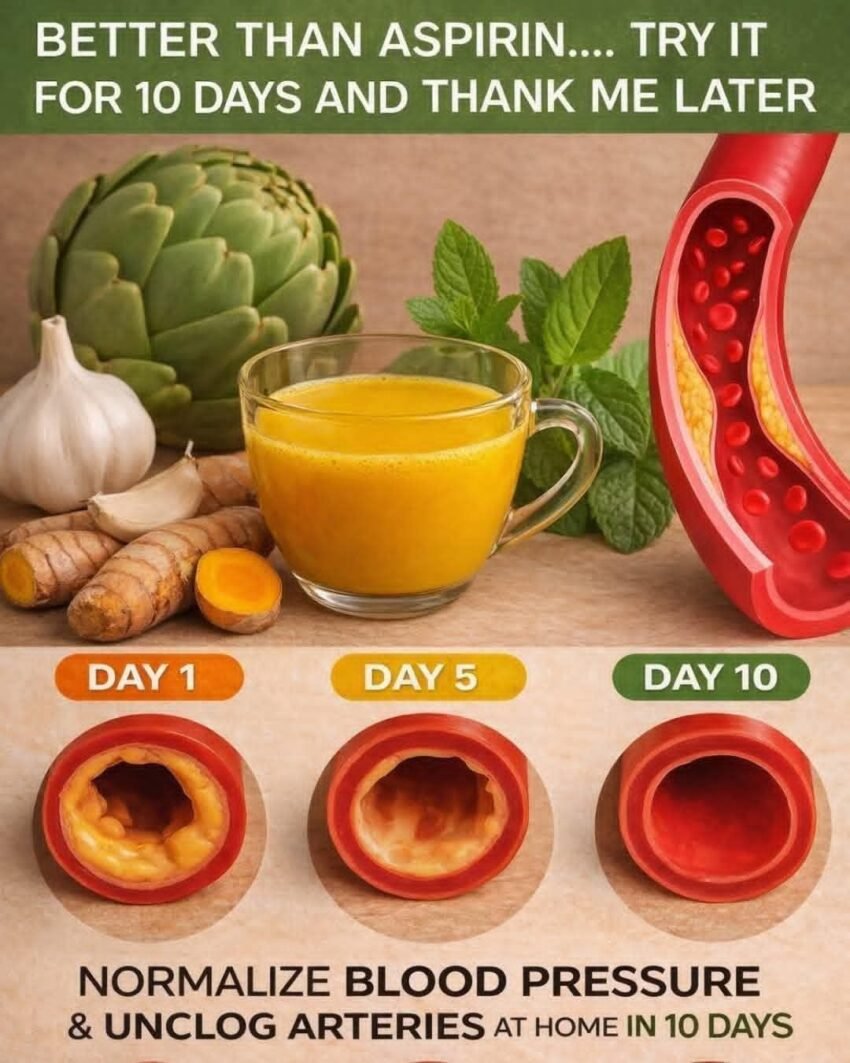
Discover 9 science-backed foods that support heart health and circulation naturally. Learn how diet impacts artery health and what to eat starting today.
Introduction: Are Your Arteries Trying to Tell You Something?
Heart disease remains the leading cause of death in the United States.
According to the Centers for Disease Control and Prevention, nearly 1 in 5 deaths each year is related to cardiovascular disease. Many of these cases are linked to a condition called atherosclerosis — the buildup of plaque inside arteries.
When arteries narrow, blood flow decreases. That can raise the risk of:
-
Heart attacks
-
Stroke
-
High blood pressure
-
Peripheral artery disease
It’s no surprise that Americans are searching for natural ways to support heart health.
You may have heard bold claims that certain foods work “better than aspirin.” Let’s be clear right away:
No food replaces prescribed medications, and you should never stop taking aspirin or other heart medications without consulting a licensed healthcare provider.
However, research shows that specific foods can support healthy circulation, reduce inflammation, and promote better arterial function — naturally and safely.
This guide breaks down what actually works, what doesn’t, and how to start improving your heart health today.
Understanding Clogged Arteries: What’s Really Happening?
Clogged arteries don’t happen overnight.
They develop gradually when:
-
LDL cholesterol accumulates in artery walls
-
Inflammation damages blood vessels
-
Plaque forms and hardens
-
Blood flow becomes restricted
The process is complex, involving cholesterol, immune response, oxidative stress, and lifestyle factors.
The American Heart Association emphasizes that diet, physical activity, and smoking status significantly influence arterial health.
Food cannot magically “unclog” arteries instantly. But it can:
-
Reduce inflammation
-
Improve cholesterol balance
-
Support endothelial function
-
Lower blood pressure
Over time, those changes matter.
9 Powerful Foods That Support Arterial Health
Let’s explore what science supports.
1. Fatty Fish (Salmon, Sardines, Mackerel)
Rich in omega-3 fatty acids (EPA and DHA), fatty fish help:
-
Reduce triglycerides
-
Lower inflammation
-
Support healthy blood vessels
-
Decrease platelet aggregation
Studies referenced by institutions like the National Institutes of Health show omega-3s may reduce cardiovascular risk factors.
Aim for two servings per week.
2. Leafy Greens (Spinach, Kale, Arugula)
Leafy greens are high in nitrates, which help:
-
Improve blood vessel flexibility
-
Lower blood pressure
-
Enhance circulation
They’re also rich in antioxidants and vitamin K.
A simple habit: Add one cup of greens to lunch or dinner daily.
3. Berries (Blueberries, Strawberries, Raspberries)
Berries contain anthocyanins, powerful antioxidants that:
-
Reduce oxidative stress
-
Lower LDL oxidation
-
Support endothelial health
Research published by organizations like Harvard University has linked berry intake to improved heart markers.
Add them to oatmeal, yogurt, or smoothies.
4. Garlic
Garlic contains allicin, a sulfur compound studied for:
-
Blood pressure support
-
Anti-inflammatory effects
-
Mild cholesterol-lowering properties
While it doesn’t replace medication, moderate garlic intake may support heart health as part of a balanced diet.
5. Turmeric
Curcumin, turmeric’s active compound, may:
-
Reduce inflammation
-
Improve endothelial function
-
Decrease plaque-related inflammation
Absorption improves when combined with black pepper.
6. Oats and Whole Grains
Oats contain beta-glucan fiber, which:
-
Lowers LDL cholesterol
-
Supports gut health
-
Improves metabolic markers
The Food and Drug Administration recognizes soluble fiber from oats as heart-supportive when consumed regularly.
Swap refined grains for whole grains whenever possible.
7. Nuts (Walnuts, Almonds)
Nuts provide:
-
Healthy fats
-
Plant sterols
-
Magnesium
-
Fiber
Regular consumption has been associated with improved lipid profiles.
A small handful daily is enough.
8. Olive Oil (Extra Virgin)
A cornerstone of the Mediterranean diet, olive oil:
-
Reduces inflammation
-
Improves HDL cholesterol
-
Supports vascular health
Replace butter or processed oils with extra virgin olive oil.
9. Legumes (Lentils, Beans, Chickpeas)
Legumes are rich in:
-
Soluble fiber
-
Plant protein
-
Potassium
They help regulate cholesterol and blood sugar — both critical for artery health.
Why “Better Than Aspirin” Is Misleading
Let’s address the claim directly.
Aspirin works by reducing platelet aggregation and lowering clot risk. It’s used preventively in certain patients under medical supervision.
Food works differently.
Healthy foods:
-
Support long-term vascular health
-
Reduce systemic inflammation
-
Improve lipid balance
They are not blood-thinning medications.
If you are on aspirin therapy, always follow medical guidance.
Real-Life Scenario: What Changes Actually Look Like
Consider a typical U.S. lifestyle:
-
Processed breakfast
-
Sedentary workday
-
High sodium intake
-
Low fiber consumption
Replacing just three daily habits can shift risk markers:
-
Oatmeal instead of sugary cereal
-
Salmon instead of processed meat
-
Olive oil instead of butter
Over 3–6 months, many individuals see improvements in cholesterol levels and blood pressure when paired with exercise and weight management.
Consistency beats quick fixes.
Pros and Cons of Using Diet for Artery Health
| Pros | Cons |
|---|---|
| Sustainable long-term | Results take time |
| Supports whole-body health | Requires consistency |
| No medication side effects | Not a replacement for medical care |
| Cost-effective | Lifestyle change can be challenging |
Common Mistakes to Avoid
-
Believing one “superfood” fixes everything
-
Ignoring portion control
-
Overlooking sodium intake
-
Skipping exercise
-
Stopping prescribed medication without consulting a doctor
Heart health is cumulative.
A Simple 7-Day Starter Plan
Day 1–2: Add leafy greens to one meal
Day 3: Replace refined grains with whole grains
Day 4: Eat fatty fish
Day 5: Snack on nuts instead of chips
Day 6: Use olive oil in cooking
Day 7: Add beans to dinner
Small shifts build momentum.
Frequently Asked Questions
1. Can food really unclog arteries?
Food cannot instantly remove plaque but may help slow progression and improve vascular health over time.
2. How long does it take to see results?
Cholesterol changes can appear within 6–12 weeks with consistent dietary improvements.
3. Should I stop taking aspirin if I eat healthier?
No. Never stop prescribed medication without consulting your healthcare provider.
4. Is apple cider vinegar good for arteries?
Limited evidence supports direct plaque reduction.
5. Can exercise reverse clogged arteries?
Exercise improves circulation and risk factors but does not instantly remove plaque.
6. Are supplements necessary?
Whole foods are generally preferred. Discuss supplements with a medical professional.
7. What’s the biggest dietary risk factor?
High saturated fat and processed food intake contribute significantly to risk.
8. Does stress affect arteries?
Yes. Chronic stress can increase inflammation and blood pressure.
The Bigger Picture: Lifestyle Matters Most
Heart health isn’t about a single ingredient.
It’s about:
-
Balanced nutrition
-
Physical activity
-
Sleep quality
-
Weight management
-
Stress reduction
-
Avoiding tobacco
When these factors align, arterial health improves.
Final Thoughts: Start With Your Next Meal
You don’t need a dramatic overhaul.
Start with one swap today.
Add one serving of greens. Replace one processed snack. Choose fish once this week.
Over time, those choices compound.
Your arteries respond to what you do consistently — not occasionally.
If this guide helped clarify what actually works for heart health, share it with someone you care about.
And if you’re ready to build a heart-supportive lifestyle, your next meal is the perfect place to begin.