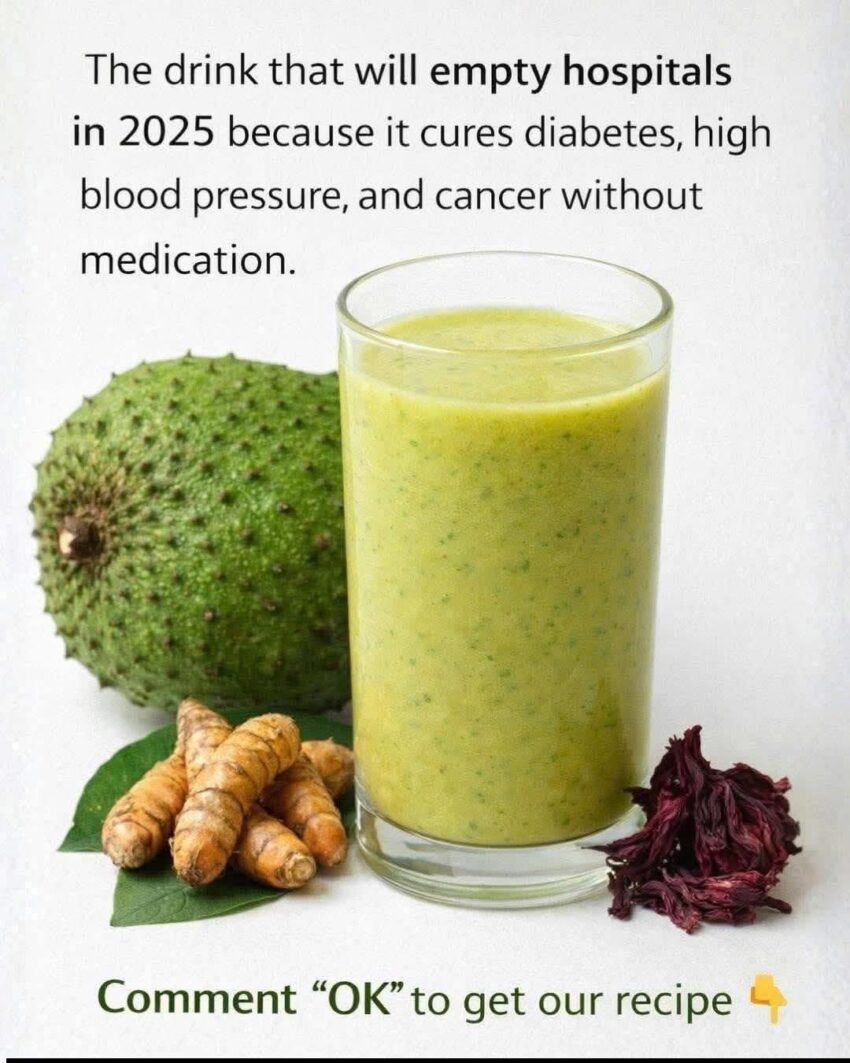
The “Miracle Drink” That Claims to Cure Diabetes, High Blood Pressure & Cancer — Here’s the Truth You Need to Know
Can a single drink cure diabetes, hypertension, and cancer? Discover what science says, why miracle claims are dangerous, and what truly protects your health.
Introduction: If It Sounds Too Good to Be True…
You’ve probably seen the headline:
“This drink will empty hospitals in 2025!”
It promises to:
-
Cure diabetes
-
Normalize high blood pressure
-
Eliminate cancer
-
Replace medication entirely
It sounds revolutionary. Hopeful. Almost irresistible.
But here’s the reality:
There is no drink — anywhere in the world — that cures diabetes, hypertension, and cancer without medical treatment.
If such a discovery existed, it would dominate global headlines, be studied by leading institutions, and rapidly adopted by healthcare systems worldwide.
Instead, these claims circulate mostly through social media, unverified blogs, and viral videos.
Let’s unpack why.
Why These Claims Spread So Fast
Health fear is powerful.
Chronic conditions like:
-
Type 2 diabetes
-
High blood pressure
-
Cancer
Affect millions of Americans.
According to the Centers for Disease Control and Prevention:
-
Over 37 million Americans have diabetes
-
Nearly half of adults have high blood pressure
-
Cancer remains a leading cause of death
When people are overwhelmed by medication costs or side effects, “natural cure” headlines feel like relief.
But hope must be grounded in evidence.
Let’s Break Down Each Claim
1. “Cures Diabetes”
Type 2 diabetes develops due to insulin resistance and metabolic dysfunction.
It can often be managed — and sometimes placed into remission — through:
-
Weight loss
-
Nutrition changes
-
Physical activity
-
Medication when needed
But no drink alone reverses the complex hormonal and metabolic pathways involved.
The American Diabetes Association emphasizes comprehensive care — not miracle beverages.
Even powerful dietary interventions require sustained lifestyle change.
2. “Eliminates High Blood Pressure”
Hypertension develops due to:
-
Genetics
-
Arterial stiffness
-
Excess sodium intake
-
Obesity
-
Chronic stress
-
Kidney function changes
Some drinks — like those rich in potassium or nitrates — may support healthy blood pressure.
Examples include:
-
Beet juice
-
Hibiscus tea
-
Pomegranate juice
But they do not replace antihypertensive medication when prescribed.
The American Heart Association clearly states that untreated high blood pressure significantly increases stroke and heart attack risk.
Lifestyle helps. Medication saves lives.
3. “Cures Cancer”
This is the most dangerous claim.
Cancer is not one disease. It is hundreds of different diseases involving abnormal cell growth.
Treatment depends on:
-
Cancer type
-
Stage
-
Genetic markers
-
Patient health
The National Cancer Institute confirms there is currently no universal cure — and certainly no beverage that replaces evidence-based oncology treatment.
Natural compounds are studied in labs for anti-cancer potential.
But lab findings ≠ human cure.
Why “Empty Hospitals” Is a Red Flag
Hospitals treat:
-
Trauma
-
Infections
-
Surgical emergencies
-
Heart attacks
-
Strokes
-
Premature births
Even if chronic disease vanished tomorrow, hospitals would still be necessary.
Bold, sweeping claims often signal marketing — not medicine.
The Danger of Replacing Medication Without Supervision
Stopping prescribed treatment can lead to:
-
Diabetic ketoacidosis
-
Stroke
-
Heart attack
-
Cancer progression
The U.S. Food and Drug Administration warns consumers against products marketed as cures for serious diseases.
If a product claims to replace all medications, that’s a serious warning sign.
So Why Do Some People Say These Drinks “Worked”?
Several reasons:
-
Placebo effect
-
Simultaneous lifestyle changes
-
Mild or early-stage disease
-
Misdiagnosis
-
Temporary symptom improvement
For example:
If someone reduces sugar intake while drinking a “miracle tea,” their blood sugar may improve — because of diet change, not magic ingredients.
Context matters.
What Actually Helps Prevent or Manage These Conditions
Let’s focus on what is supported by research.
For Type 2 Diabetes
-
Weight management
-
Strength training
-
Fiber-rich diet
-
Reduced processed sugar
-
Medical supervision
Sustained lifestyle change has strong evidence.
For High Blood Pressure
-
Reduced sodium intake
-
Increased potassium-rich foods
-
Regular aerobic exercise
-
Stress management
-
Prescribed medication when needed
For Cancer Risk Reduction
-
Avoid tobacco
-
Maintain healthy weight
-
Limit alcohol
-
Eat plant-rich diet
-
Regular screenings
Prevention strategies work gradually — not dramatically.
Why People Want Miracle Drinks
It’s understandable.
Medication can feel:
-
Expensive
-
Complicated
-
Overwhelming
But medicine has dramatically increased life expectancy over the last century.
Without insulin, antibiotics, chemotherapy, and antihypertensives, mortality rates would be significantly higher.
Natural wellness can complement medical care — not replace it.
If You See a “Cure-All” Drink, Ask These Questions
-
Is there peer-reviewed human research?
-
Are major medical institutions endorsing it?
-
Does it promise to cure multiple unrelated diseases?
-
Does it advise stopping medication?
-
Is it being sold directly with urgency messaging?
If the answer to #3 and #4 is yes — be cautious.
Frequently Asked Questions
1. Can diet reverse type 2 diabetes?
In some cases, remission is possible through significant lifestyle changes — but this requires medical supervision.
2. Can natural drinks lower blood pressure?
Some beverages may support healthy levels but do not replace prescribed therapy.
3. Is there a natural cure for cancer?
No scientifically validated universal cure exists.
4. Why do online testimonials seem convincing?
Personal stories are powerful but are not the same as clinical trials.
5. Are hospitals hiding natural cures?
There is no credible evidence supporting global suppression of effective cures.
6. Can I combine natural remedies with medication?
Often yes — but always consult your healthcare provider.
7. Why are miracle claims so common?
They attract attention, clicks, and product sales.
8. How can I verify medical claims?
Check reputable sources such as national health organizations and peer-reviewed research.
The Bottom Line: Health Is Built, Not Bottled
There is no drink in 2025 that will empty hospitals.
But there are daily habits that can reduce disease risk:
-
Balanced nutrition
-
Physical activity
-
Adequate sleep
-
Stress management
-
Preventive screenings
-
Following medical advice
Real health improvements are steady — not sensational.
If a headline promises to cure multiple serious diseases instantly, pause before believing it.
Your health deserves evidence — not exaggeration.
If this breakdown helped you think critically about miracle health claims, share it with someone who might need a reality check before making risky decisions.
Smart skepticism can be lifesaving.