Bad Breath (Halitosis): Real Causes, Proven Fixes, and What Actually Works
Struggling with bad breath? Discover the real causes of halitosis and proven ways to fix it fast with dentist-backed solutions and daily habits.
You Brush… But Your Breath Still Smells?
You wake up, brush your teeth, maybe even use mouthwash — and yet, a few hours later, that unpleasant odor is back.
It’s frustrating. It’s embarrassing. And in many cases, it’s completely fixable once you understand what’s actually causing it.
Bad breath (also called halitosis) isn’t just about hygiene. It can come from your mouth, your diet, your gut, or even underlying health conditions.
This guide breaks it down clearly so you can identify the root cause — and fix it for good.
What Causes Bad Breath?
Bad breath usually comes from bacteria producing sulfur compounds in your mouth. These compounds smell like rotten eggs — not exactly pleasant.
But the real question is: why are those bacteria thriving?
Let’s look at the most common causes.
1. Poor Oral Hygiene (The #1 Cause)
If food particles stay in your mouth, bacteria break them down — and odor follows.
Signs:
-
White coating on your tongue
-
Plaque buildup
-
Bleeding gums
Why it happens:
-
Not brushing properly
-
Skipping flossing
-
Ignoring tongue cleaning
Fix:
-
Brush twice daily (2 minutes each time)
-
Floss once daily
-
Use a tongue scraper (this is a game changer)
2. Dry Mouth (Lack of Saliva)
Saliva naturally cleans your mouth. Without it, bacteria multiply fast.
Common triggers:
-
Sleeping (morning breath)
-
Dehydration
-
Mouth breathing
-
Certain medications
Fix:
-
Drink more water throughout the day
-
Chew sugar-free gum to stimulate saliva
-
Avoid alcohol-based mouthwashes (they can worsen dryness)
3. Food Choices
Some foods cause temporary bad breath — others make it linger.
Common offenders:
-
Garlic
-
Onions
-
Coffee
-
Sugary foods
These can enter your bloodstream and affect your breath through your lungs.
Fix:
-
Rinse after meals
-
Eat crunchy fruits/veggies (like apples, carrots)
-
Limit sugar (feeds bacteria)
4. Gum Disease (A Serious Cause)
Persistent bad breath can be a warning sign of gum infection.
Signs:
-
Swollen or bleeding gums
-
Loose teeth
-
Chronic bad taste in mouth
Why it matters:
Bacteria trapped under gums produce strong odors.
Fix:
-
Visit a dentist for deep cleaning
-
Maintain daily oral hygiene
-
Don’t ignore early symptoms
5. Tongue Bacteria (Often Overlooked)
Your tongue — especially the back — is a hotspot for odor-causing bacteria.
Signs:
-
White/yellow coating
-
Bad taste
Fix:
-
Use a tongue scraper daily
-
Brush your tongue gently
6. Smoking and Tobacco
Tobacco dries your mouth and leaves its own strong odor.
Effects:
-
Chronic bad breath
-
Gum disease risk
-
Reduced saliva
Fix:
-
Quit or reduce tobacco use
-
Increase hydration
-
Seek professional help if needed
7. Digestive Issues or Medical Conditions
Sometimes, bad breath comes from inside your body.
Possible causes:
-
Acid reflux (GERD)
-
Sinus infections
-
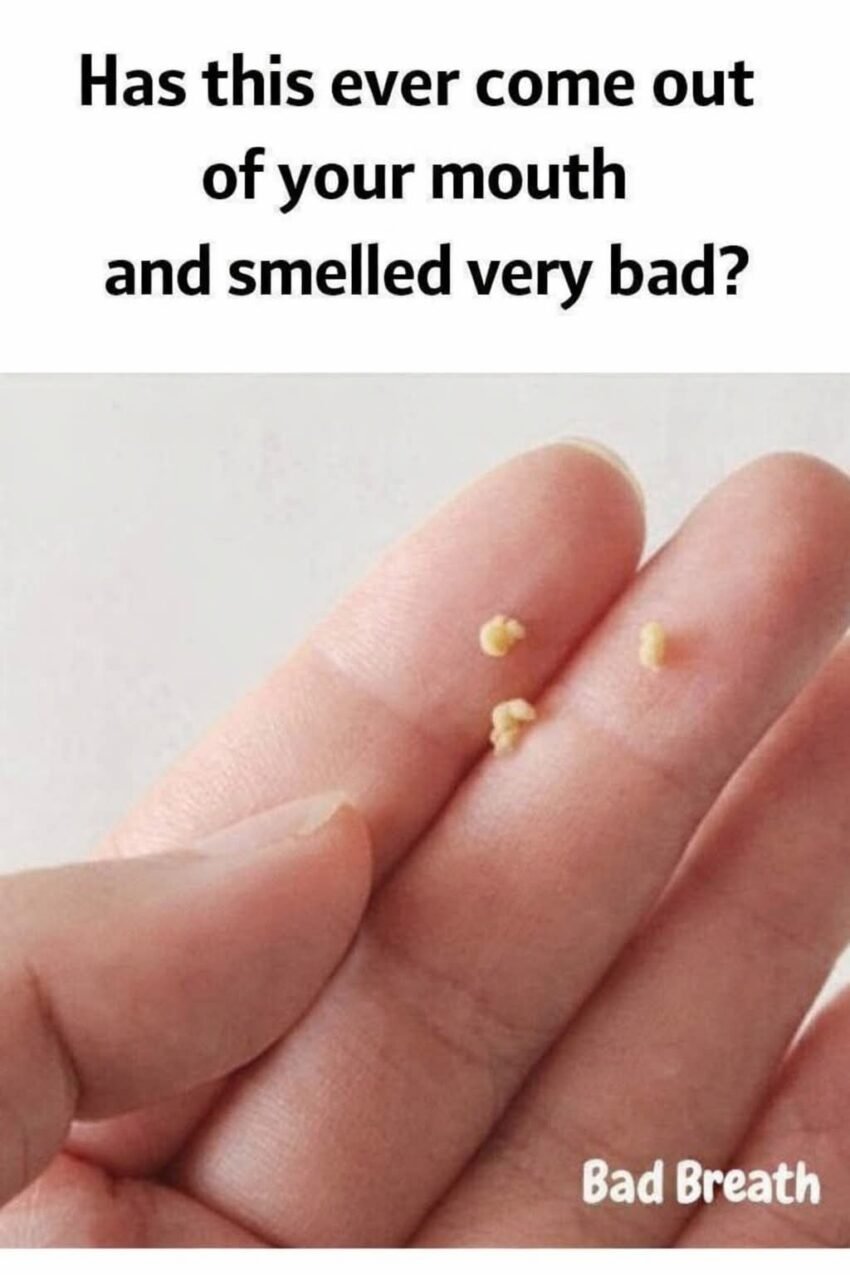
Tonsil stones
-
Diabetes (fruity breath smell)
When to suspect this:
-
Breath smells persist despite good hygiene
-
Unusual or strong odors
Fix:
-
Consult a doctor
-
Treat underlying condition
How to Get Rid of Bad Breath (Step-by-Step Routine)
Morning Routine
-
Brush teeth thoroughly
-
Clean your tongue
-
Drink a glass of water
-
Eat a light, balanced breakfast
Throughout the Day
-
Stay hydrated
-
Rinse mouth after meals
-
Chew sugar-free gum
-
Avoid long gaps without eating
Night Routine (Most Important)
-
Brush teeth properly
-
Floss carefully
-
Clean your tongue
-
Avoid late-night sugary snacks
What Actually Works (Backed by Dental Experts)
Most effective habits:
-
Flossing daily → removes hidden food debris
-
Tongue scraping → reduces odor dramatically
-
Hydration → keeps bacteria in check
-
Regular dental visits → catches issues early
What Doesn’t Work (Common Myths)
❌ Mouthwash Alone
It only masks odor temporarily.
❌ Mints and Gum (Alone)
Short-term fix, not a solution.
❌ Brushing Only Teeth
Ignoring tongue and gums = incomplete cleaning.
Real-Life Scenario
You brush twice daily but skip flossing.
Food gets stuck between teeth → bacteria break it down → odor develops.
You use mouthwash → smell disappears briefly → returns later.
The missing step? Flossing.
Pros and Cons of Common Solutions
| Solution | Pros | Cons |
|---|---|---|
| Brushing | Essential daily habit | Not enough alone |
| Flossing | Removes hidden debris | Requires consistency |
| Mouthwash | Quick freshness | Temporary effect |
| Tongue scraper | Highly effective | Often overlooked |
| Gum | Boosts saliva | Short-term solution |
Common Mistakes to Avoid
-
Skipping flossing
-
Not cleaning your tongue
-
Drinking too little water
-
Overusing strong mouthwash
-
Ignoring persistent symptoms
Expert Tips Most People Don’t Know
-
Brush after 30 minutes of eating, not immediately (protects enamel)
-
Use a soft-bristle brush to avoid gum damage
-
Replace toothbrush every 3 months
-
Green tea can reduce odor bacteria
-
Probiotics may help balance oral bacteria
When Should You See a Doctor or Dentist?
Seek help if:
-
Bad breath lasts for weeks
-
You have gum pain or bleeding
-
There’s a constant bad taste
-
Breath smells unusually strong or different
FAQs (People Also Ask)
1. Why does my breath smell even after brushing?
You may be missing flossing, tongue cleaning, or have underlying issues.
2. Can stomach problems cause bad breath?
Yes, especially acid reflux or digestive disorders.
3. Is morning breath normal?
Yes — it’s caused by reduced saliva during sleep.
4. How do I know if my breath smells?
Lick your wrist, let it dry, then smell it.
5. Can drinking water fix bad breath?
It helps significantly but may not solve all causes.
6. Are natural remedies effective?
Some (like green tea) help, but hygiene is key.
7. Do probiotics help?
They may improve oral bacteria balance.
8. Can stress cause bad breath?
Yes — it can reduce saliva and affect digestion.
Action Checklist: Fix Your Breath Starting Today
-
Brush twice daily (2 minutes)
-
Floss every night
-
Clean your tongue
-
Drink more water
-
Limit sugary foods
-
Rinse after meals
-
Visit a dentist regularly
Fresh Breath Is a Habit, Not a Hack
Bad breath isn’t something you have to live with.
In most cases, it’s a signal — not a permanent problem.
Once you identify the root cause and build the right habits, fresh breath becomes effortless.
Bad breath is usually caused by bacteria, poor oral hygiene, or dryness — but it’s highly treatable.
Focus on complete oral care (not just brushing), stay hydrated, and address deeper issues if needed.
If this helped, share it with someone who might need it — and if you’ve tried something that worked for you, drop it in the comments.