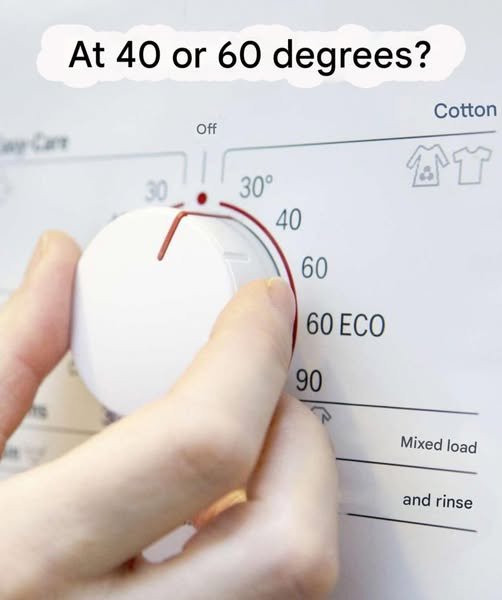
At What Temperature Should Bed Linen Be Washed? (The Mistake Most People Don’t Realize They’re Making)
Learn the ideal temperature for washing bed linen to kill germs, protect fabric, and improve sleep hygiene. Avoid common mistakes most people make.
You spend about a third of your life in bed—but most people don’t give much thought to how they wash their bed linen.
And here’s the surprising part:
Washing your sheets at the wrong temperature can leave behind bacteria, allergens, and odors—even if they look clean.
It’s one of the most common (and overlooked) laundry mistakes.
If you’ve ever pulled fresh sheets out of the washer only to notice they don’t feel completely fresh—or they wear out faster than expected—temperature is likely the reason.
In this guide, you’ll learn exactly what temperature to wash your bed linen, when to adjust it, and how to get that hotel-clean feeling every time—without damaging your fabrics.
Why Washing Temperature Matters More Than You Think
Most people assume detergent alone does the job. It doesn’t.
Temperature plays a key role in:
-
Killing bacteria and dust mites
-
Removing body oils and sweat
-
Eliminating allergens
-
Protecting fabric fibers
-
Preventing odors from building up
According to hygiene research often referenced by institutions like Harvard University, lower temperatures may not effectively eliminate microorganisms—especially in items used daily, like sheets.
The Ideal Temperature for Washing Bed Linen
The Sweet Spot: 140°F (60°C)
For most bed linen, 140°F (60°C) is considered the optimal balance.
Why 60°C Works Best
-
Effectively kills bacteria and dust mites
-
Removes sweat, oils, and skin residue
-
Maintains fabric durability (for most cotton and blends)
When to Use It
-
Weekly sheet washing
-
If you sweat heavily at night
-
During allergy season
-
If someone has been sick
When You Can Wash at Lower Temperatures
86°F–104°F (30°C–40°C)
Lower temperatures are acceptable—but only in certain situations.
Best For:
-
Lightly used sheets
-
Delicate fabrics (like silk or linen blends)
-
Energy-saving washes
-
Quick refresh cycles
Important Note
At lower temperatures, you should:
-
Use a high-quality detergent
-
Avoid overloading the machine
-
Consider adding a laundry sanitizer if needed
When You Should Wash at Higher Temperatures
160°F (70°C) or Above
Use higher heat in specific cases:
-
Illness (flu, infections)
-
Bed bugs or mites concerns
-
Heavily soiled bedding
-
Pet-related messes
Caution
High temperatures can:
-
Fade colors
-
Shrink fabrics
-
Weaken fibers over time
So use this setting only when necessary.
The Most Common Mistake People Make
Washing Sheets at 30°C (86°F) Every Time
This is extremely common—especially with modern eco-settings.
Why It’s a Problem
-
Doesn’t kill bacteria effectively
-
Leaves behind body oils
-
Causes long-term odor buildup
-
Can worsen allergies
Sheets may look clean but aren’t truly hygienic.
Real-World Scenario
Let’s compare two people:
Person A
-
Washes sheets weekly at 30°C
-
Uses minimal detergent
-
Notices slight odor after a few days
Person B
-
Washes sheets weekly at 60°C
-
Uses proper detergent
-
Sheets feel fresh all week
The difference? Temperature and technique—not effort.
Step-by-Step: How to Wash Bed Linen Properly
1. Check the Care Label
Always start here—especially for delicate fabrics.
2. Choose the Right Temperature
-
Standard: 60°C (140°F)
-
Delicates: 30–40°C (86–104°F)
-
Deep clean: 70°C+ (160°F+)
3. Use the Right Detergent Amount
Too little = poor cleaning
Too much = residue buildup
4. Don’t Overload the Machine
Sheets need space to move freely for proper cleaning.
5. Dry Completely
Damp sheets can develop:
-
Musty odors
-
Bacteria growth
Fabric-Specific Temperature Guide
| Fabric Type | Recommended Temperature |
|---|---|
| Cotton | 60°C (140°F) |
| Polyester blends | 40–60°C (104–140°F) |
| Linen | 40–60°C (104–140°F) |
| Silk | 30°C (86°F) |
| Bamboo | 30–40°C (86–104°F) |
Pros and Cons of Different Temperatures
Washing at 60°C
Pros:
-
Best hygiene balance
-
Removes oils and allergens
-
Kills most bacteria
Cons:
-
Slightly higher energy use
Washing at 30–40°C
Pros:
-
Energy-efficient
-
Gentle on fabrics
Cons:
-
Less effective at sanitizing
-
May require additives
Washing at 70°C+
Pros:
-
Maximum germ removal
Cons:
-
Can damage fabrics
-
Higher energy cost
Common Mistakes to Avoid
1. Always Using Cold Wash
Cold water alone doesn’t remove oils effectively.
2. Overloading the Machine
Reduces cleaning efficiency significantly.
3. Ignoring Drying
Even clean sheets can smell if not dried properly.
4. Washing Too Infrequently
Experts recommend once a week for most households.
Expert Tips Most People Don’t Know
-
Turn pillowcases inside out to remove oils better
-
Wash sheets separately from towels for better results
-
Use white vinegar occasionally to remove buildup
-
Rotate between two sets of sheets to extend lifespan
2026 Laundry Trends: What’s Changing
-
Energy-efficient machines favor lower temps—but detergents are improving
-
More people are using laundry sanitizers with cooler washes
-
Sustainable washing habits are growing—but hygiene awareness is increasing too
The balance today is: eco-friendly, but still effective.
Mini Case Example
A U.S. household switched from 30°C to 60°C washing:
Results after 3 weeks:
-
Noticeably fresher sheets
-
Reduced allergy symptoms
-
Less detergent needed over time
Sometimes, a small change makes a big difference.
FAQs (People Also Ask)
1. Is 40°C enough to wash bed sheets?
It can be—but it won’t fully eliminate bacteria or dust mites.
2. How often should I wash bed linen?
Ideally once per week.
3. Can hot water damage sheets?
Yes, especially delicate fabrics—always check labels.
4. Do detergents work in cold water?
Yes, but they’re less effective on oils and bacteria.
5. What kills dust mites in bedding?
Temperatures of 60°C (140°F) or higher.
6. Should I wash new sheets before using them?
Yes, to remove chemicals and residues.
7. Is it okay to mix sheets with clothes?
Not recommended—sheets need space to clean properly.
8. Why do my sheets still smell after washing?
Likely due to low temperature or overloading.
9. Can I wash bedding every two weeks?
Possible—but not ideal for hygiene.
10. What’s the best drying method?
Tumble dry or air dry completely—no dampness.
Action Checklist
-
✔ Wash sheets weekly
-
✔ Use 60°C (140°F) for most washes
-
✔ Adjust for delicate fabrics
-
✔ Don’t overload the machine
-
✔ Dry thoroughly
-
✔ Avoid constant cold washing
Conclusion
Washing bed linen isn’t just about cleanliness—it’s about health, comfort, and quality of sleep.
The biggest mistake people make is choosing convenience over effectiveness.
By simply adjusting your washing temperature, you can:
-
Improve hygiene
-
Extend fabric life
-
Sleep more comfortably
Wash most bed linen at 60°C (140°F) for the best balance of cleanliness and fabric care.
It’s a small habit change—but one that makes a noticeable difference every single night.
If this helped you rethink your laundry routine, share it with someone who might be making the same mistake—or save it for your next wash day.