Green Ring on Egg Yolks? Here’s Exactly What It Means (And How to Fix It Every Time)
Noticed a green ring on your egg yolk? Learn what causes it, if it’s safe to eat, and how to cook perfect hard-boiled eggs every time.
That Strange Green Ring on Your Egg Isn’t What You Think
You peel a hard-boiled egg, slice it open—and there it is.
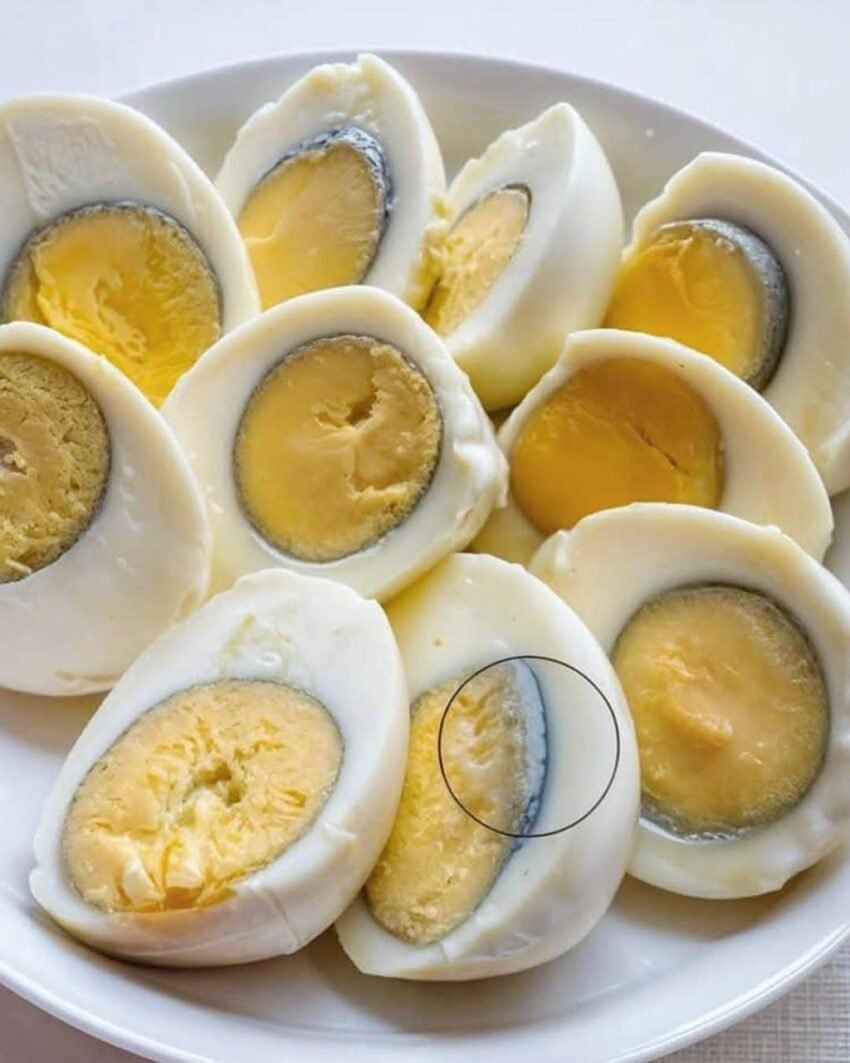
A dull green ring circling the yolk.
It doesn’t look appetizing. It might even make you pause for a second and wonder: Is this egg still safe to eat? Did I mess something up?
Here’s the truth:
That green ring isn’t dangerous—but it is telling you something important about how the egg was cooked.
And once you understand why it happens, you’ll never deal with it again.
What Does the Green Ring on Egg Yolk Mean?
Simply put:
👉 A green or gray-green ring around the yolk means the egg has been overcooked.
This is one of the most common kitchen mishaps—even experienced home cooks run into it.
But it’s not just about cooking too long. It’s about temperature control and timing working against you.
The Science Behind the Green Ring (Simple Explanation)
Let’s break it down without overcomplicating things.
Eggs naturally contain:
-
Sulfur (in the egg white)
-
Iron (in the yolk)
When eggs are exposed to high heat for too long, these two elements react and form a compound called:
👉 Iron sulfide
That compound creates the greenish discoloration around the yolk.
Why It Forms on the Outside of the Yolk
The reaction happens at the boundary between the white and the yolk—so that’s exactly where the green ring appears.
Is It Safe to Eat Eggs with a Green Ring?
Yes—100% safe.
Let’s clear up the most common concerns:
-
❌ It does NOT mean the egg is spoiled
-
❌ It does NOT mean bacteria is present
-
❌ It does NOT cause illness
The only downside is quality, not safety.
What Actually Changes (Taste & Texture)
While it’s safe, you might notice:
-
A slightly chalky or dry yolk
-
A mild sulfur smell
-
Less creamy texture
In other words, it’s edible—but not ideal.
Why This Happens So Often in American Kitchens
This issue is especially common because of how people typically cook eggs in the U.S.:
-
Boiling eggs aggressively instead of gently
-
Leaving eggs in hot water too long
-
Not cooling eggs quickly after cooking
-
Cooking large batches without adjusting timing
Many people were simply never taught a better method—so they rely on guesswork.
How to Make Perfect Hard-Boiled Eggs (No Green Ring)
Here’s a simple, reliable method used by professional kitchens.
Step-by-Step Method
-
Place eggs in a saucepan
Cover with cold water (about 1 inch above eggs) -
Bring to a gentle boil
Not a violent, rolling boil -
Turn off the heat immediately
Cover the pot -
Let eggs sit:
-
9 minutes for slightly creamy yolk
-
11–12 minutes for fully set yolk
-
-
Transfer to ice water immediately
Let sit for at least 5 minutes
Why This Works
-
Prevents overheating
-
Stops the sulfur-iron reaction
-
Locks in a smooth, yellow yolk
Ice Bath: The Step Most People Skip
Skipping the ice bath is one of the biggest mistakes.
What It Does:
-
Stops cooking instantly
-
Prevents green ring formation
-
Makes peeling easier
Think of it as the “off switch” for cooking.
Real-Life Scenario: Meal Prep Gone Wrong
Imagine this:
You’re prepping a week’s worth of lunches—salads, protein snacks, quick breakfasts.
You boil a dozen eggs, forget about them for a few extra minutes, and suddenly every yolk has that green ring.
Now:
-
The eggs look less appealing
-
Texture is off
-
You’re less likely to enjoy eating them
A small mistake—but it impacts your entire week of meals.
Pros and Cons of Hard-Boiled Eggs (Done Right vs Overcooked)
| Factor | Perfectly Cooked | Overcooked (Green Ring) |
|---|---|---|
| Appearance | Bright yellow yolk | Green/gray ring |
| Texture | Smooth, creamy | Dry, chalky |
| Taste | Mild and rich | Slight sulfur flavor |
| Nutrition | Fully preserved | Slight nutrient loss |
| Appeal | High | Lower |
Common Mistakes That Cause the Green Ring
1. Boiling Too Aggressively
High heat speeds up the sulfur-iron reaction.
Fix: Use gentle heat.
2. Cooking Too Long
Even a few extra minutes can cause discoloration.
Fix: Stick to a timer.
3. Skipping the Ice Bath
Residual heat continues cooking the egg.
Fix: Always cool immediately.
4. Using Old Eggs Incorrectly
Older eggs can react more noticeably under heat.
Fix: Adjust cooking time slightly.
Expert Tips Most People Don’t Know
1. Start with Cold Water
This ensures even cooking from the inside out.
2. Use a Lid After Boiling
Traps heat without overcooking aggressively.
3. Add a Pinch of Baking Soda (Optional)
Can make peeling easier—but not necessary.
4. Don’t Crowd the Pan
Too many eggs = uneven cooking.
5. Slightly Undercook for Meal Prep
Eggs continue to firm up after cooling.
2026 Kitchen Trend: Precision Cooking at Home
More U.S. households are shifting toward:
-
Timed cooking methods
-
Smart kitchen tools
-
Controlled heat techniques
Even something as simple as boiling eggs is becoming more intentional and precise.
People are moving away from guesswork—and seeing better results.
Future Outlook: Smarter Cooking, Less Waste
As cooking habits evolve, expect:
-
Better awareness of food quality
-
Less overcooking
-
More emphasis on texture and presentation
That green ring? It’s slowly becoming a thing of the past.
Frequently Asked Questions (People Also Ask)
1. Why does my egg yolk turn green?
Because of a reaction between sulfur and iron caused by overcooking.
2. Can I eat eggs with a green ring?
Yes, they are completely safe.
3. Does it mean the egg is bad?
No—it’s just overcooked.
4. How do I prevent it?
Avoid overcooking and use an ice bath.
5. Does it affect nutrition?
Slightly, but not significantly.
6. Why do my eggs smell stronger?
Overcooking increases sulfur compounds.
7. Is steaming better than boiling?
Yes—steaming can reduce the risk of overcooking.
8. How long should I boil eggs?
About 9–12 minutes depending on desired firmness.
9. Why do restaurants never have green yolks?
They use precise timing and cooling methods.
Action Checklist: Perfect Eggs Every Time
✔ Start eggs in cold water
✔ Use gentle heat
✔ Turn off heat once boiling
✔ Let sit for correct time
✔ Transfer to ice bath immediately
✔ Set a timer—don’t guess
Conclusion: It’s Not a Bad Egg—Just a Missed Technique
That green ring isn’t a disaster—it’s feedback.
It’s your kitchen quietly telling you:
“Adjust the timing, and you’ll get it right next time.”
With just a few small changes, you can turn an ordinary egg into something that looks better, tastes better, and feels more satisfying to eat.
Green ring = overcooked, not unsafe.
Fix your timing and cooling—and you’ll never see it again.
If this helped you finally solve the mystery, share it with someone who still overboils their eggs—or drop a comment with your go-to egg method.