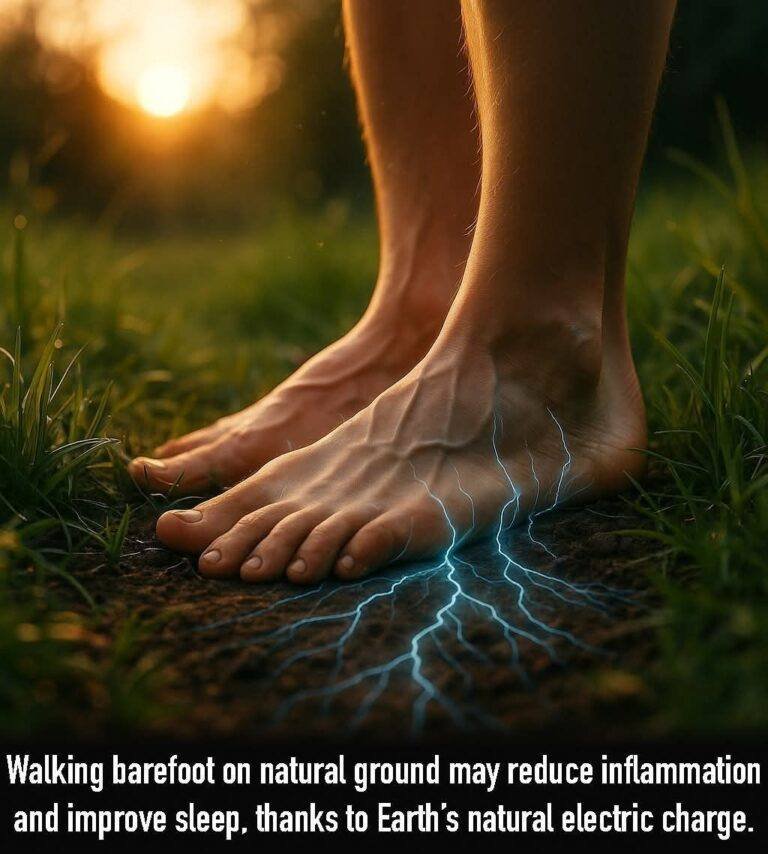
Walking Barefoot on Natural Ground: How Science Confirms What Humans Have Known for Centuries
Discover why walking barefoot on grass, soil, or sand—called “earthing”—may improve your health. Science explains the benefits of reconnecting with nature.
Why People Have Walked Barefoot for Centuries
From ancient tribes to farmers in rural areas, humans have long felt the simple joy and grounding effect of walking barefoot on natural surfaces.
-
Soft grass under your feet
-
Warm sand on a beach
-
Cool, damp soil in a garden
Many cultures instinctively knew: this feels good—and it seems to help you feel better.
Now, science is catching up. Researchers are exploring why reconnecting with the Earth may offer real physiological and psychological benefits.
What “Earthing” or “Grounding” Means
The scientific term for this practice is earthing or grounding.
-
It refers to direct skin contact with the Earth’s surface—grass, soil, sand, or even unpainted concrete.
-
This connection allows your body to absorb the Earth’s natural electrons, which may help reduce inflammation and improve overall wellness.
What Science Says About Walking Barefoot
1. Reduced Inflammation
Studies suggest that contact with the Earth’s surface can neutralize free radicals, potentially lowering chronic inflammation.
-
Chronic inflammation is linked to joint pain, cardiovascular disease, and fatigue.
-
Grounding may help reduce markers of inflammation in the body.
2. Improved Sleep
Some research shows that grounding can help regulate cortisol levels, your body’s stress hormone.
-
Lower cortisol in the evening promotes better sleep quality
-
People report feeling more rested after regular grounding sessions
3. Enhanced Mood and Stress Relief
Walking barefoot outside stimulates the nervous system in unique ways:
-
Feet have thousands of nerve endings that interact with natural surfaces
-
Sensory input can boost mood, reduce anxiety, and increase mindfulness
-
Nature exposure itself supports mental health and stress reduction
4. Improved Circulation and Balance
Barefoot walking encourages natural foot mechanics, which:
-
Strengthens small muscles in your feet and ankles
-
Improves posture and stability
-
Enhances balance and reduces the risk of injury
5. Potential Boost in Immune Function
Some studies suggest that grounding may:
-
Reduce oxidative stress
-
Support immune regulation
-
Improve recovery after intense physical activity
While more research is needed, these early findings align with long-standing anecdotal evidence.
How to Safely Reconnect With the Earth
You don’t need a forest or beach to experience the benefits. Simple steps include:
-
Walk on grass or soil
Parks, backyards, or gardens work well. -
Choose safe surfaces
Avoid broken glass, sharp rocks, or chemical-treated areas. -
Start slowly
Begin with 5–10 minutes per day, gradually increasing time. -
Combine with mindfulness
Pay attention to sensations under your feet and breathing. -
Alternate surfaces
Sand, riverbeds, or even unpainted concrete can provide grounding effects.
Real-Life Scenario: A Daily Earthing Practice
Jane, a busy professional, started walking barefoot in her backyard for 10 minutes each morning.
-
Within two weeks, she noticed reduced foot tension, improved sleep, and lower stress levels
-
She reported feeling more “connected” and energized for the day ahead
Even brief daily sessions can make a noticeable difference.
Common Myths About Walking Barefoot
Myth 1: It’s unsafe everywhere
-
True for hazardous surfaces
-
Safe on clean grass, sand, or soil
Myth 2: You need special shoes or equipment
-
No special gear is required
-
Bare feet are the most effective
Myth 3: Benefits are purely psychological
-
Studies show biological changes, including reduced inflammation and cortisol regulation
Tips to Make Earthing Part of Your Routine
-
Morning ritual: Walk barefoot for 5–10 minutes in the grass before breakfast
-
Lunch break reset: Take a short barefoot walk outside
-
Evening wind-down: Sit barefoot in the garden or backyard to relax before bed
-
Combine with stretching: Gentle stretches enhance circulation and grounding benefits
2026 Health Trend: Natural Movement and Minimalism
Modern wellness increasingly emphasizes:
-
Reconnecting with nature
-
Reducing artificial barriers between body and environment
-
Mindful movement outdoors
Barefoot walking is a simple, low-cost way to align with this trend.
Frequently Asked Questions
1. How long should I walk barefoot for benefits?
Even 5–10 minutes daily can help; longer sessions may provide added effects.
2. Can I walk barefoot on the beach or pavement?
Yes, but pavement can be hot or abrasive. Grass, soil, and sand are ideal.
3. Are there risks?
Watch for sharp objects, chemicals, or contaminated soil.
4. Can children benefit?
Absolutely—children naturally go barefoot and benefit from balance, foot development, and grounding.
5. Does it replace exercise?
No—but it complements movement by strengthening feet, improving posture, and reducing stress.
Walking barefoot on natural surfaces may reduce inflammation, improve sleep, boost mood, and enhance balance.
Humans have instinctively known this for centuries, and science is finally catching up.
Reconnect with nature—start with a few minutes barefoot on the grass today—and experience the subtle, powerful benefits for yourself.
If you’ve tried earthing or barefoot walking, share your experience in the comments and tell us how it made you feel!