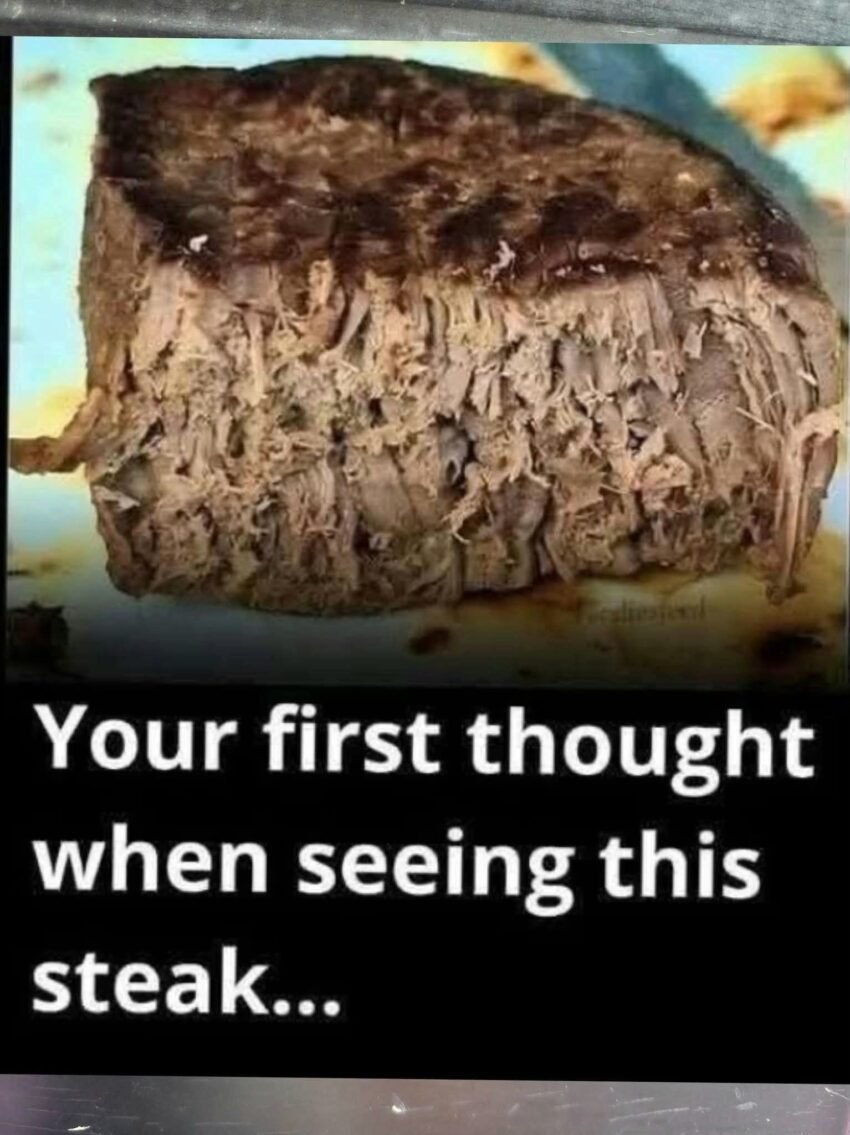
Exploring the Juicy Steak: A Comprehensive Look at a Culinary Treat
Discover the art of steak — from cuts and cooking techniques to flavor tips and pairing ideas. Everything a steak lover should know.
Introduction: Why Steak Captivates Food Lovers
Few foods inspire as much passion as a perfectly cooked steak. From sizzling grills at backyard barbecues to gourmet restaurant dishes, steak combines flavor, texture, and aroma in a way few other foods can.
In this comprehensive guide, you’ll learn:
-
Different cuts of steak and their characteristics
-
Cooking techniques to achieve juiciness and tenderness
-
Flavoring, seasoning, and pairing tips
-
How to enjoy steak like a culinary expert
Whether you’re a casual cook or a devoted carnivore, this guide will deepen your appreciation for this timeless culinary treat.
Understanding Steak: The Basics
What Makes Steak Juicy and Flavorful?
-
Marbling: The white streaks of fat within the meat — melts during cooking to add flavor
-
Cut: Determines tenderness, texture, and cooking method
-
Aging: Dry-aged or wet-aged beef develops richer flavors
Popular Cuts of Steak
| Cut | Flavor Profile | Best Cooking Method |
|---|---|---|
| Ribeye | Rich, fatty, tender | Grilling, pan-searing |
| Filet Mignon | Tender, mild | Searing, oven roasting |
| New York Strip | Leaner, beefy | Grilling, broiling |
| T-Bone | Combination (strip + filet) | Grilling |
| Sirloin | Lean, slightly chewy | Grilling, sautéing |
💡 Tip: For juiciness, look for cuts with good marbling and avoid overcooking.
Essential Cooking Techniques
1. Pan-Searing
-
Heat a heavy skillet until very hot
-
Season steak with salt and pepper
-
Sear 2–4 minutes per side, depending on thickness
-
Finish in the oven if needed
2. Grilling
-
Preheat grill to high heat
-
Sear steaks 2–3 minutes per side
-
Move to indirect heat to finish cooking evenly
3. Sous Vide
-
Vacuum-seal steak and cook in water bath at precise temperature
-
Finish with quick pan sear for crust
-
Ensures even doneness and juiciness
4. Broiling
-
Place steak under preheated broiler
-
Watch carefully to prevent burning
-
Good for quick cooking thick cuts
Flavoring and Seasoning
-
Salt and Pepper: Simple, classic, enhances natural flavor
-
Herbs: Rosemary, thyme, or sage complement beef
-
Marinades: Olive oil, garlic, soy sauce, or balsamic vinegar add flavor
-
Butter Basting: Adds richness during pan-searing
💡 Chef Tip: Season at least 30 minutes before cooking for maximum flavor penetration.
Perfect Steak Doneness Guide
| Doneness | Internal Temp | Appearance |
|---|---|---|
| Rare | 120–125°F | Red center, very juicy |
| Medium Rare | 130–135°F | Warm red center |
| Medium | 140–145°F | Pink center |
| Medium Well | 150–155°F | Slightly pink |
| Well Done | 160°F+ | Brown throughout |
Tip: Use a meat thermometer for precision.
Pairing Steak Like a Pro
-
Wine: Cabernet Sauvignon, Merlot, Malbec
-
Side Dishes: Roasted vegetables, mashed potatoes, grilled asparagus
-
Sauces: Chimichurri, béarnaise, peppercorn sauce
💡 Balance: Rich, fatty steaks pair well with robust flavors, while leaner cuts benefit from lighter accompaniments.
Frequently Asked Questions
1. How can I keep steak juicy?
-
Avoid overcooking, let steak rest 5–10 minutes, and choose cuts with good marbling.
2. Is it better to cook steak from frozen or thawed?
-
Thawed steaks cook more evenly; frozen steaks require longer cooking and risk uneven doneness.
3. Can I eat steak rare safely?
-
Yes, as long as the exterior reaches high heat to kill surface bacteria.
4. How do I know when steak is done without a thermometer?
-
Use the finger test: press the meat to gauge firmness compared to hand muscles.
Steak is more than a meal — it’s a culinary experience. By understanding cuts, cooking techniques, seasoning, and pairing, you can elevate your steak from ordinary to extraordinary.
Whether you prefer a juicy ribeye, tender filet mignon, or flavorful strip steak, mastering the art of steak ensures every bite is a delight.