White Garlic vs. Purple Garlic: 9 Surprising Differences That Actually Matter in Your Kitchen
White vs. purple garlic explained—flavor, nutrition, storage, and cooking tips. Discover which garlic is best for your meals and how to use each.
Garlic seems simple—until you stand in the produce aisle staring at two completely different bulbs.
One is clean, bright, and familiar. The other? Slightly streaked with purple, a bit more rustic, and often more expensive.
So… which one should you actually buy?
If you’ve ever wondered whether white garlic or purple garlic makes a real difference, the answer is yes—and in ways most people overlook.
This guide breaks it down in plain English, backed by real kitchen experience, so you can choose the right garlic for flavor, health, storage, and everyday cooking in the U.S.
What Is the Difference Between White Garlic and Purple Garlic?
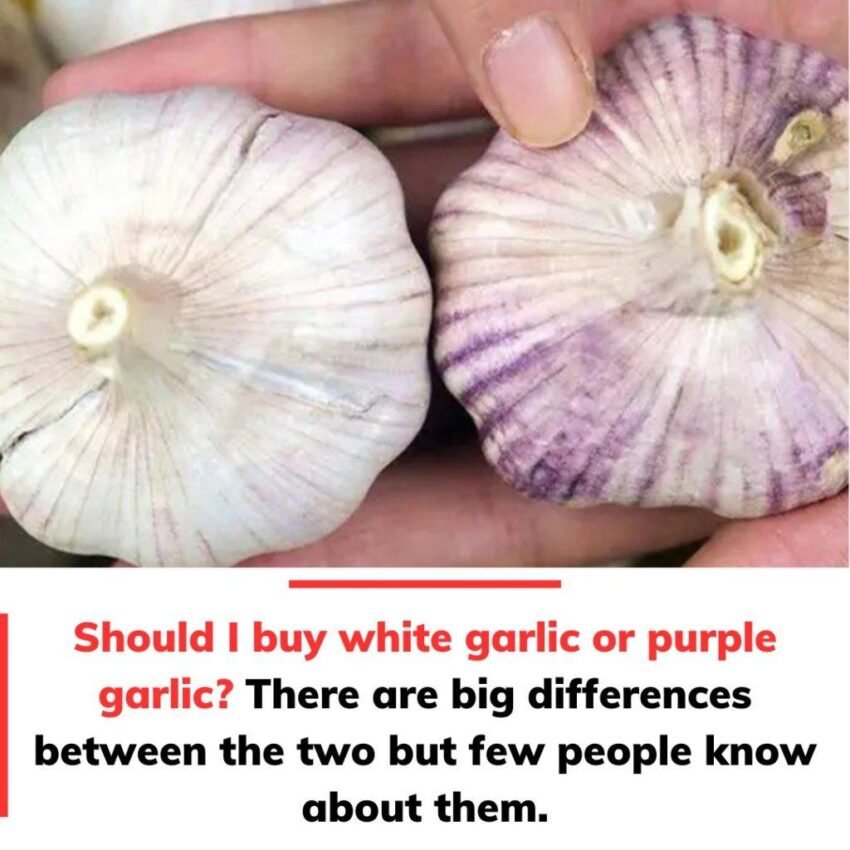
At a glance, the difference looks cosmetic. But it goes deeper than color.
White garlic is the most common type found in U.S. grocery stores. It belongs mainly to the softneck garlic family.
Purple garlic, often labeled as “purple stripe” or “hardneck garlic,” is less common but widely prized by chefs and home cooks who care about flavor depth.
Quick Snapshot
| Feature | White Garlic | Purple Garlic |
|---|---|---|
| Appearance | Smooth white skin | Purple streaks or stripes |
| Type | Softneck | Hardneck |
| Flavor | Mild, slightly sweet | Rich, bold, complex |
| Clove Size | Smaller, more numerous | Larger, fewer cloves |
| Shelf Life | Long (up to 6–8 months) | Shorter (3–5 months) |
| Price (U.S.) | Budget-friendly | Premium |
| Best Use | Everyday cooking | Flavor-forward dishes |
Why This Choice Matters in the United States
In the U.S., garlic isn’t just a seasoning—it’s a staple in nearly every cuisine.
From Italian pasta sauces to Tex-Mex dishes, garlic is everywhere. But here’s what most people don’t realize:
The type of garlic you use can completely change the outcome of your dish.
Real-life example
- Use white garlic in a long-simmering marinara → smooth, mellow flavor
- Use purple garlic in the same recipe → deeper, slightly spicy complexity
If you care about cooking results (or just want your food to taste better), this choice matters more than you think.
Flavor Profile: The Biggest Game-Changer
If there’s one reason chefs prefer purple garlic, it’s flavor.
White Garlic Flavor
- Mild and slightly sweet
- Less pungent when raw
- Becomes subtle when cooked
This is why it’s ideal for:
- Garlic bread
- Sauces
- Everyday sautéing
Purple Garlic Flavor
- Stronger, richer, more complex
- Slightly spicy when raw
- Retains depth even after cooking
Best for:
- Roasting whole bulbs
- Dressings and dips
- Gourmet dishes
Kitchen Insight
If you’ve ever followed a recipe and thought, “This tastes a little flat…”
Switching from white to purple garlic can often fix that instantly.
Nutrition: Is One Healthier Than the Other?
Both types are highly nutritious—but there are subtle differences.
Shared Benefits
Garlic (both types) contains:
- Antioxidants
- Sulfur compounds like allicin
- Vitamins C and B6
- Manganese
These support:
- Immune function
- Heart health
- Anti-inflammatory processes
Purple Garlic Edge
Purple garlic often contains slightly higher levels of antioxidants, especially in hardneck varieties.
That said:
The difference isn’t dramatic enough to replace medical advice or treatment.
Think of it as a small bonus—not a miracle.
Cooking Performance: Which One Works Best?
White Garlic (Best for Consistency)
White garlic performs predictably:
- Doesn’t overpower dishes
- Blends well in sauces
- Easy to store and use daily
Perfect for:
- Meal prep
- Large family cooking
- Restaurants focused on consistency
Purple Garlic (Best for Impact)
Purple garlic shines when flavor matters:
- Roasts beautifully (creamy, nutty taste)
- Adds depth to simple dishes
- Ideal for finishing touches
Perfect for:
- Date-night meals
- Entertaining guests
- Elevated home cooking
Storage and Shelf Life: A Practical Consideration
This is where white garlic wins—by a lot.
White Garlic
- Lasts 6–8 months when stored properly
- Great for bulk buying
- Ideal for busy households
Purple Garlic
- Lasts 3–5 months
- More sensitive to humidity
- Best used fresh
Storage Tips (for both)
- Keep in a cool, dry place
- Avoid refrigeration
- Use breathable containers (not plastic bags)
Price Differences in the U.S.
You’ll notice this quickly at farmers markets or specialty stores.
Typical Pricing
- White garlic: Affordable, widely available
- Purple garlic: Often 1.5x–2x more expensive
Why?
- Lower yield
- More labor-intensive farming
- Higher demand among chefs
Is it worth it?
If you’re cooking something special—yes.
If you’re making weekday pasta—probably not necessary.
Real-World Use Cases: When to Choose Each
Choose White Garlic If:
- You cook daily
- You want long shelf life
- You’re feeding a family
- You prefer mild flavors
Choose Purple Garlic If:
- You care about flavor depth
- You’re roasting or grilling
- You’re making simple dishes where garlic stands out
- You enjoy experimenting in the kitchen
Step-by-Step: How to Use Each Type Like a Pro
For White Garlic
- Mince finely for even flavor
- Cook on medium heat (avoid burning)
- Add early in recipes for subtle infusion
For Purple Garlic
- Slice instead of crushing for better texture
- Add later in cooking for stronger impact
- Roast whole bulbs for maximum flavor
Pros and Cons (Honest Breakdown)
White Garlic
Pros:
- Affordable
- Long-lasting
- Easy to find
- Consistent flavor
Cons:
- Less complex taste
- Can feel “generic” in premium dishes
Purple Garlic
Pros:
- Rich, bold flavor
- Larger cloves (easier prep)
- Better for gourmet cooking
Cons:
- More expensive
- Shorter shelf life
- Harder to find in some U.S. regions
Common Mistakes People Make
1. Treating All Garlic the Same
Different garlic types behave differently. Adjust your cooking accordingly.
2. Burning Garlic
This ruins both types—but especially purple garlic. Burnt garlic becomes bitter fast.
3. Using Old Garlic
Garlic loses flavor over time. If it’s sprouting or soft, it’s past its prime.
4. Overusing Purple Garlic
It’s stronger—use slightly less than you would white garlic.
Expert Tips Most People Don’t Know
- Roasting purple garlic transforms it into a buttery spread—perfect for bread or mashed potatoes
- Crushing garlic releases more allicin, but slicing preserves flavor complexity
- Let chopped garlic sit for 5–10 minutes before cooking to boost beneficial compounds
- Hardneck (purple) garlic produces garlic scapes—a bonus ingredient you won’t get with white garlic
2026 Trends: What’s Changing in Garlic Use
- More U.S. consumers are buying locally grown garlic from farmers markets
- Purple and specialty garlic varieties are gaining popularity in home cooking
- Interest in organic and heirloom garlic is rising
- Home gardening of garlic is becoming more common
Mini Case Scenario
Imagine you’re making two versions of roasted chicken:
- Batch A uses white garlic
- Batch B uses purple garlic
Same recipe. Same seasoning.
Result?
Batch B (purple garlic) will likely taste richer and more aromatic—even without changing anything else.
That’s the difference.
Frequently Asked Questions
1. Does purple garlic taste stronger than white garlic?
Yes, it typically has a more intense and complex flavor.
2. Is purple garlic healthier?
Slightly higher in antioxidants, but both are very healthy.
3. Why is purple garlic more expensive?
Lower supply and higher demand make it a premium product.
4. Can I substitute one for the other?
Absolutely—but adjust quantity for flavor strength.
5. Which garlic is better for roasting?
Purple garlic is generally preferred for roasting.
6. Why does my garlic taste bitter?
It’s likely overcooked or burnt.
7. Is white garlic lower quality?
No—it’s just milder and more practical for daily use.
8. Where can I find purple garlic in the U.S.?
Farmers markets, specialty stores, and organic grocers.
9. Does garlic type affect health benefits significantly?
Not drastically—both provide strong health benefits.
10. Which garlic do chefs prefer?
Many chefs prefer purple garlic for flavor-focused dishes.
Action Checklist: Choosing the Right Garlic
Before your next grocery trip, remember this:
- ✔ Want convenience? → Choose white garlic
- ✔ Want flavor depth? → Choose purple garlic
- ✔ Cooking daily meals? → Stick with white
- ✔ Making something special? → Upgrade to purple
- ✔ Buying in bulk? → White garlic lasts longer
- ✔ Cooking for guests? → Purple garlic impresses
Conclusion: It’s Not About Better—It’s About Purpose
White garlic and purple garlic aren’t competing—they serve different roles.
White garlic is reliable, practical, and perfect for everyday cooking.
Purple garlic is bold, flavorful, and ideal when you want your dish to stand out.
Once you understand when to use each, your cooking naturally improves—without changing your recipes.
- White garlic = consistency, affordability, convenience
- Purple garlic = flavor, depth, and culinary impact
Both deserve a place in your kitchen.
If you’ve tried both types, which one do you prefer—and why? Share your experience or favorite recipes below.