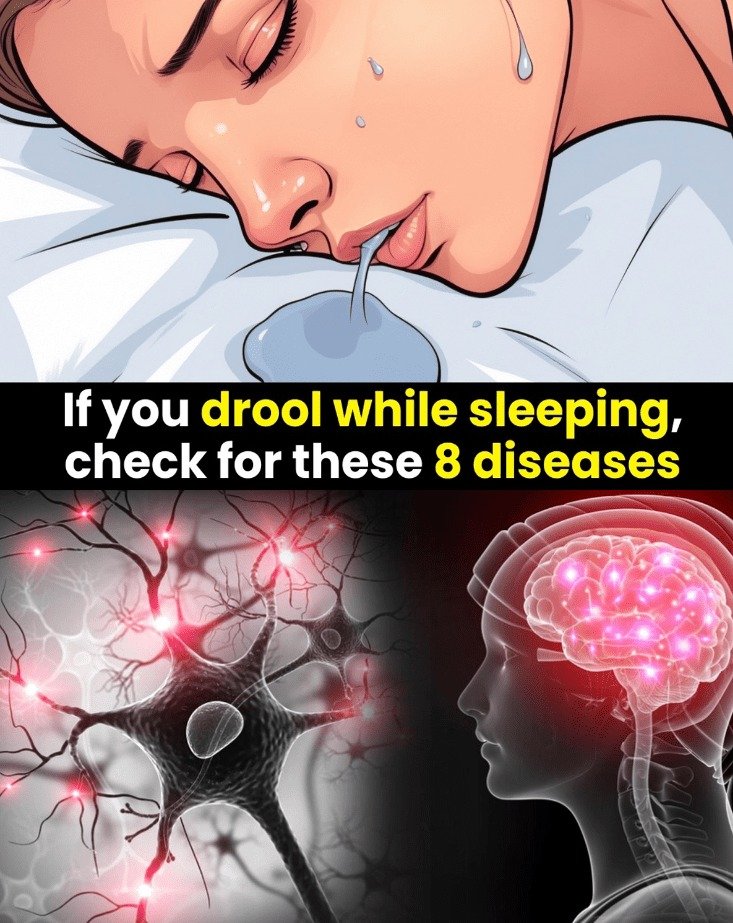
If You Often Drool While You Sleep, Check for These 6 Hidden Health Conditions
Frequent drooling during sleep could signal underlying health issues. Learn the 6 conditions doctors say may be responsible and when to seek help.
Why Waking Up With a Pillow Soaked in Saliva Isn’t Just Annoying
Drooling while you sleep may seem harmless—or even funny—but for some people, it’s more than a messy pillow.
Frequent nighttime drooling can indicate underlying health issues, ranging from mild to serious. Understanding the root cause is essential, especially for adults who notice this happening often.
This guide explores 6 potential conditions linked to drooling during sleep, practical steps you can take, and when it’s time to seek professional advice.
What Causes Drooling During Sleep?
Saliva production and swallowing are controlled by your nervous system. Normally:
- Saliva is swallowed automatically
- Muscles in your mouth and throat keep it contained
Drooling occurs when:
- Saliva production increases
- Swallowing is impaired
- Muscle control is reduced
In adults, persistent drooling is less common and may signal a health condition.
1. Sleep Apnea
How It’s Linked to Drooling:
Sleep apnea is a disorder where breathing repeatedly stops and starts during sleep.
- The body may switch to mouth breathing when nasal airflow is blocked
- Open-mouth breathing increases the risk of drooling
Signs to Watch For:
- Loud snoring
- Gasping or choking at night
- Daytime fatigue
- Morning headaches
Tip: If you notice these symptoms, a sleep study can help confirm the diagnosis.
2. Acid Reflux (GERD)
Gastroesophageal reflux disease (GERD) can trigger increased saliva production, as your body tries to neutralize stomach acid.
Why It Causes Drooling:
- Acid irritates the esophagus
- Body produces excess saliva to protect the throat and mouth
Other Signs:
- Heartburn or burning sensation
- Bitter taste in the mouth
- Chronic cough or throat clearing
Tip: Avoid late-night meals and elevate the head while sleeping.
3. Neurological Disorders
Certain neurological conditions can affect muscle control and swallowing reflexes, leading to drooling.
Conditions Include:
- Parkinson’s disease
- Stroke
- Bell’s palsy
- Amyotrophic lateral sclerosis (ALS)
Symptoms to Watch For:
- Tremors or stiffness
- Facial weakness
- Slurred speech
- Difficulty swallowing
Tip: Persistent nighttime drooling with neurological symptoms warrants evaluation by a neurologist.
4. Allergies and Sinus Issues
Blocked nasal passages force mouth breathing, which can increase drooling during sleep.
Common Triggers:
- Seasonal pollen
- Dust mites
- Chronic sinus infections
Signs:
- Nasal congestion
- Snoring
- Postnasal drip
Tip: Using a humidifier or saline rinse before bed can reduce nighttime drooling caused by congestion.
5. Medications Side Effects
Some medications may interfere with swallowing or saliva production, including:
- Sedatives
- Antipsychotics
- Muscle relaxants
Signs:
- Drooling only occurs after starting a new medication
- Daytime drowsiness or dry mouth may also appear
Tip: Always discuss side effects with your doctor before adjusting or stopping medication.
6. Sleep Position
Sleeping positions can impact how saliva drains.
- Lying flat on your back may reduce drooling
- Sleeping on your stomach or side can make saliva pool at the mouth
- Mouth-breathing positions worsen the issue
Tip: Try sleeping on your back with your head slightly elevated.
When to See a Doctor
Seek professional help if:
- Drooling is new or worsening
- Accompanied by neurological symptoms
- Interferes with sleep quality or social life
- Associated with frequent choking or gagging
Early evaluation can uncover conditions like sleep apnea or neurological disorders that benefit from timely treatment.
Expert Tips to Reduce Nighttime Drooling
- Keep nasal passages clear: saline sprays, nasal strips
- Maintain proper sleep posture: elevated head and back sleeping
- Avoid late-night acidic foods that trigger reflux
- Stay hydrated to balance saliva production
- Consult your doctor if new medications are suspected
Frequently Asked Questions
1. Is nighttime drooling dangerous?
Not always, but frequent drooling can signal underlying conditions.
2. Can children drool more than adults?
Yes, especially toddlers, due to developing swallowing reflexes.
3. Does mouth breathing cause drooling?
Yes, open-mouth sleeping increases the likelihood of saliva leakage.
4. Can diet affect drooling?
Spicy or acidic foods before bed may increase saliva production.
5. Are there treatments for drooling?
Treatment depends on the cause: lifestyle changes, medication adjustment, or medical therapies.
6. Can drooling disrupt sleep?
Yes, it may cause discomfort, skin irritation, or wakefulness.
Action Checklist
- Track when and how often you drool
- Evaluate for sleep apnea symptoms or GERD
- Keep nasal passages clear at night
- Adjust sleep position
- Consult a doctor if drooling is persistent or accompanied by other symptoms
Nighttime drooling isn’t always harmless—it can signal sleep, digestive, neurological, or respiratory issues.
By paying attention to patterns, triggers, and accompanying symptoms, you can identify the cause and improve both sleep quality and overall health.
Final Thoughts
A pillow full of drool might seem trivial, but it’s your body trying to tell you something.
Observe, adjust, and when in doubt, get a professional evaluation.
If you’ve struggled with nighttime drooling, share your experience or tips below — it might help someone else finally get a good night’s sleep.