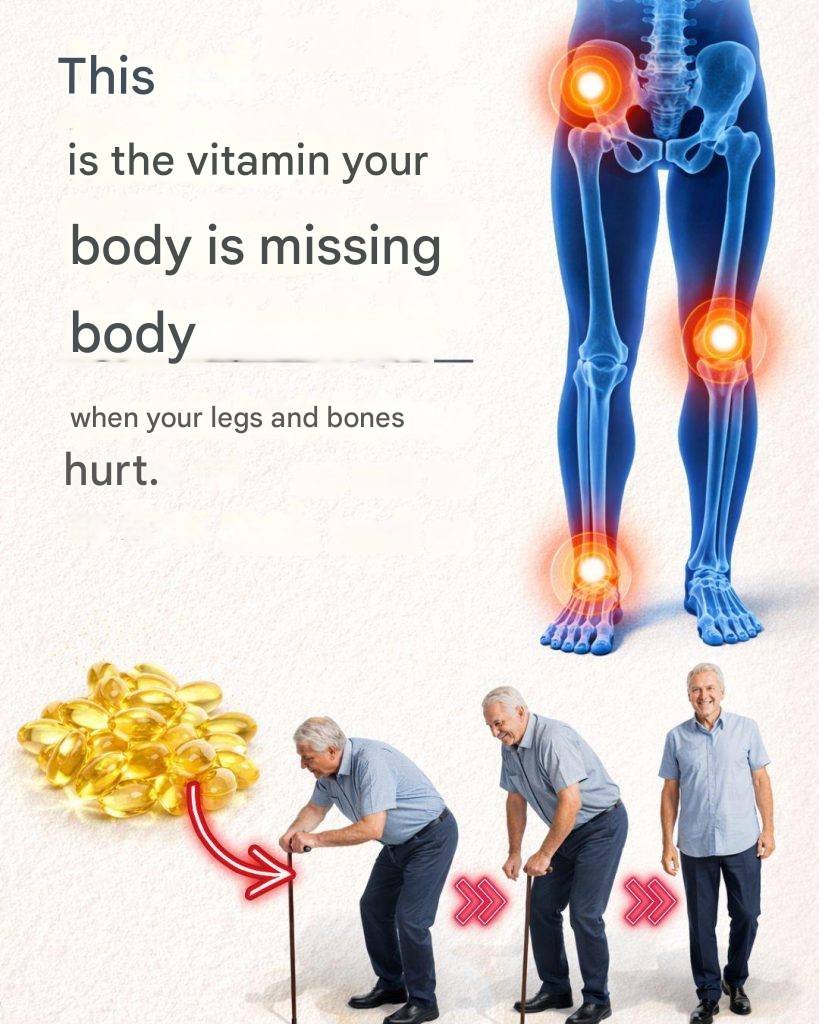
An Essential Vitamin That Relieves Leg and Bone Pain: What Every Adult in the U.S. Should Know
Discover the essential vitamin that helps relieve leg and bone pain, improve mobility, and support long-term bone health. Evidence-based tips for Americans.
The Hidden Vitamin That Could Change Your Life
Do you ever wake up with aching legs or feel sharp twinges in your bones after a long day? You’re not alone. Millions of Americans struggle with leg and bone discomfort, often dismissing it as “part of aging.” But the truth is, vitamin deficiency could be the hidden culprit.
Among all nutrients, one vitamin consistently shows strong evidence for supporting bone strength, reducing pain, and improving mobility: Vitamin D.
This article will explain why vitamin D matters, how it works in your body, practical ways to get enough, and the latest 2026 research updates that every adult in the United States should know.
Why Vitamin D Is Critical for Leg and Bone Health
Vitamin D isn’t just about strong bones—it’s a key regulator of calcium absorption, muscle function, and inflammation reduction.
Here’s why it matters:
- Calcium Absorption: Without vitamin D, your body cannot absorb calcium efficiently, weakening bones.
- Muscle Function: Studies show vitamin D deficiency contributes to leg weakness, cramps, and fatigue.
- Pain Reduction: Low vitamin D levels are associated with increased musculoskeletal pain in adults over 40.
- Bone Health: Adequate vitamin D reduces the risk of osteoporosis, fractures, and joint discomfort.
According to the National Institutes of Health (NIH), nearly 42% of U.S. adults are deficient in vitamin D, making supplementation and diet critical for maintaining healthy bones and muscles.
Signs You Might Need More Vitamin D
- Persistent leg or bone pain, even without injury
- Muscle weakness or cramps
- Fatigue and low energy
- Bone tenderness, especially in knees, hips, or spine
- Frequent illnesses (vitamin D supports immunity too)
If you recognize multiple signs, it may be worth discussing with a healthcare provider for testing and supplementation advice.
How Vitamin D Relieves Pain
Vitamin D helps relieve leg and bone pain in several ways:
- Calcium Regulation: Adequate vitamin D allows calcium to strengthen bones instead of leaving them brittle.
- Inflammation Control: Vitamin D modulates inflammatory responses that can worsen joint pain.
- Muscle Support: It enhances muscle function, improving mobility and reducing cramping.
- Bone Density Improvement: Long-term vitamin D sufficiency increases bone mineral density, lowering fracture risk.
Best Ways to Boost Vitamin D
1. Sunlight Exposure
- 10–30 minutes of midday sun several times a week can boost vitamin D naturally.
- Fair-skinned individuals require less time; darker skin may need longer exposure.
- Always balance sun exposure with skin cancer risk—use sunscreen for prolonged exposure.
2. Dietary Sources
- Fatty fish: salmon, mackerel, sardines
- Fortified dairy and plant milks
- Egg yolks
- Fortified cereals
3. Supplements
- Vitamin D3 (cholecalciferol) is more effective than D2
- Typical adult dosage ranges from 600–2,000 IU/day, but deficiency may require higher levels under medical supervision
- Take with meals containing fat for better absorption
Tip: Pair vitamin D with calcium intake for maximum bone support.
Real-Life Case Example
Case Study: Lisa, 52, Chicago, IL
Lisa suffered from chronic leg cramps and lower back pain. After her doctor identified low vitamin D levels, she started a daily 2,000 IU supplement and included salmon and fortified milk in her diet. Within three months, her leg cramps decreased significantly, and she reported improved mobility and less joint stiffness.
Common Mistakes to Avoid
- Assuming Sunlight Alone Is Enough: Many Americans live in northern states or work indoors and don’t get sufficient sunlight.
- Ignoring Lab Testing: Vitamin D needs vary; too little or too much can be harmful.
- Neglecting Calcium: Vitamin D works best when paired with adequate calcium intake.
- Skipping Long-Term Maintenance: Deficiency relief is gradual; consistency matters.
Expert Tips for Maximum Benefits
- Take vitamin D with a meal containing healthy fats like avocado or olive oil.
- Monitor levels with a 25-hydroxy vitamin D blood test for precise dosing.
- Combine vitamin D with weight-bearing exercise for stronger bones.
- Include magnesium-rich foods (nuts, spinach) to support vitamin D metabolism.
Latest 2026 Updates in Research
- Higher Doses for Older Adults: Recent studies show adults over 65 may benefit from 1,500–2,000 IU daily for bone protection.
- Pain Relief Studies: Clinical trials indicate that correcting vitamin D deficiency can reduce chronic musculoskeletal pain within 8–12 weeks.
- Immune System Boost: Vitamin D supplementation is linked to improved recovery from inflammation-related joint conditions.
Mini Scenario: Everyday Relief
Imagine John, a 45-year-old teacher in Boston, experiencing calf pain after long school days. He adds a 2,000 IU vitamin D supplement, enjoys salmon twice a week, and spends weekends walking outdoors. Within two months, the persistent leg discomfort eases, and he’s able to stay active without recurring pain.
FAQs About Vitamin D and Bone Pain
1. Can vitamin D completely cure leg pain?
- It may significantly reduce pain caused by deficiency but won’t treat unrelated conditions.
2. How long before I notice improvements?
- Typically 6–12 weeks with consistent supplementation and diet.
3. Can I get enough vitamin D from food alone?
- It’s possible but challenging; supplementation is often recommended.
4. Is too much vitamin D dangerous?
- Yes. Excess can lead to hypercalcemia, kidney damage, or nausea. Stick to recommended doses unless supervised by a doctor.
5. Does age affect vitamin D needs?
- Yes, older adults often require higher intake due to decreased skin synthesis and absorption.
6. Can vitamin D help with osteoporosis?
- It’s essential for bone health and works best with calcium and weight-bearing exercise.
7. Is sunlight always reliable for vitamin D?
- Not year-round in northern states; supplementation may still be necessary in winter months.
8. What other nutrients support vitamin D function?
- Calcium, magnesium, and vitamin K2 are key partners for bone health.
Conclusion: Don’t Ignore Vitamin D Deficiency
Leg and bone pain isn’t always just “normal aging.” Often, vitamin D deficiency is an overlooked contributor. By addressing it through sunlight, diet, and supplementation, Americans can experience meaningful relief, stronger bones, and improved mobility.
Talk to your doctor about testing your vitamin D levels, adopt a consistent supplementation plan if needed, and pair it with healthy lifestyle habits. Your legs, bones, and overall well-being will thank you.
💬 Have you tried increasing your vitamin D for leg or bone pain? Share your results in the comments and help others discover this life-changing nutrient.