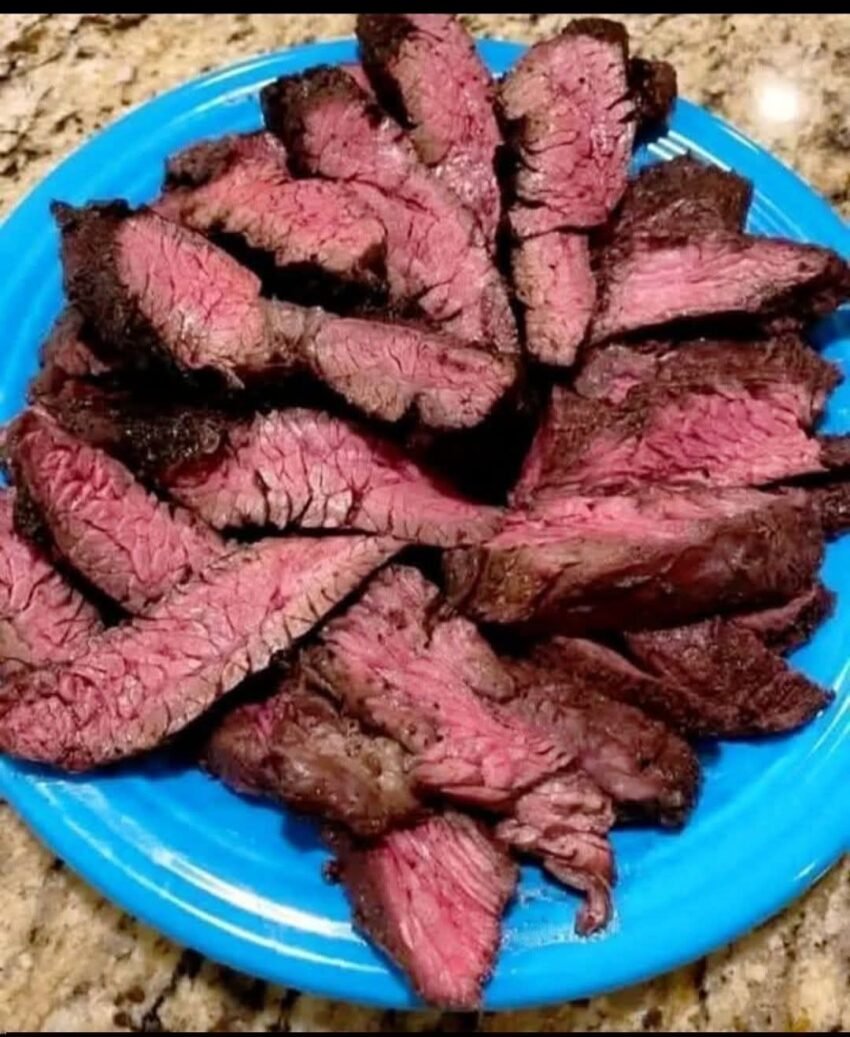
Overcooked or Undercooked Meat? What You Need to Know for Safety and Flavor
Learn the health risks and flavor differences between overcooked and undercooked meat. Tips for safe, juicy, and perfectly cooked meals every time.
Introduction: The Meat Cooking Dilemma
Cooking meat may seem straightforward, but there’s a fine line between juicy and delicious and overcooked or unsafe. Both extremes — overcooking and undercooking — can have consequences for flavor, texture, and health.
In this guide, we’ll break down:
-
Why overcooked meat isn’t ideal
-
Risks of undercooked meat
-
Safe cooking tips for every type of meat
What Happens When Meat Is Overcooked
-
Texture: Becomes tough, dry, and chewy.
-
Flavor: Loses natural juices, making it bland.
-
Nutrition: Heat can reduce some vitamins (like B vitamins) and denature proteins.
-
Health: Overcooking, especially charring or frying at high heat, can produce harmful compounds like heterocyclic amines (HCAs) and polycyclic aromatic hydrocarbons (PAHs), which are linked to increased cancer risk in large amounts.
💡 Tip: Avoid blackened or overly charred edges. Use lower heat or slow cooking methods to retain moisture.
What Happens When Meat Is Undercooked
-
Texture: Can be overly soft or gelatinous, sometimes unappealing.
-
Health Risks: Undercooked meat may contain bacteria like Salmonella, E. coli, or Listeria, which can cause food poisoning.
-
Signs of Undercooking: Raw or cold center, pink or translucent meat in poultry, or a slimy texture.
💡 Tip: Use a food thermometer to check internal temperature:
| Meat Type | Safe Internal Temperature |
|---|---|
| Poultry (chicken, turkey) | 165°F (74°C) |
| Ground beef or pork | 160°F (71°C) |
| Steaks, roasts, lamb | 145°F (63°C), rest 3 min |
| Fish | 145°F (63°C) |
Balancing Safety and Flavor
-
Rest Meat After Cooking: Helps redistribute juices for flavor and tenderness.
-
Avoid Extreme Heat: Searing is fine, but avoid burning.
-
Use Moist Cooking Methods: Braising, steaming, or slow-roasting preserves moisture.
-
Cut and Observe: For thick cuts, slice slightly to check doneness while cooking.
Common Myths About Meat Cooking
-
“Pink meat is always unsafe.”
-
Not true — beef and lamb can be safely pink if cooked to the correct internal temperature.
-
-
“Microwaving kills all bacteria.”
-
Uneven heating can leave cold spots where bacteria survive.
-
-
“Marinating eliminates risk.”
-
Marinades add flavor but don’t guarantee safety.
-
Both overcooked and undercooked meat have downsides:
-
Overcooked: Safe but dry, tough, and potentially harmful if charred
-
Undercooked: Moist and flavorful but high risk for foodborne illness
The key is temperature control, proper resting, and choosing the right cooking method. Use a thermometer, know your meat type, and aim for a balance between safety and deliciousness.