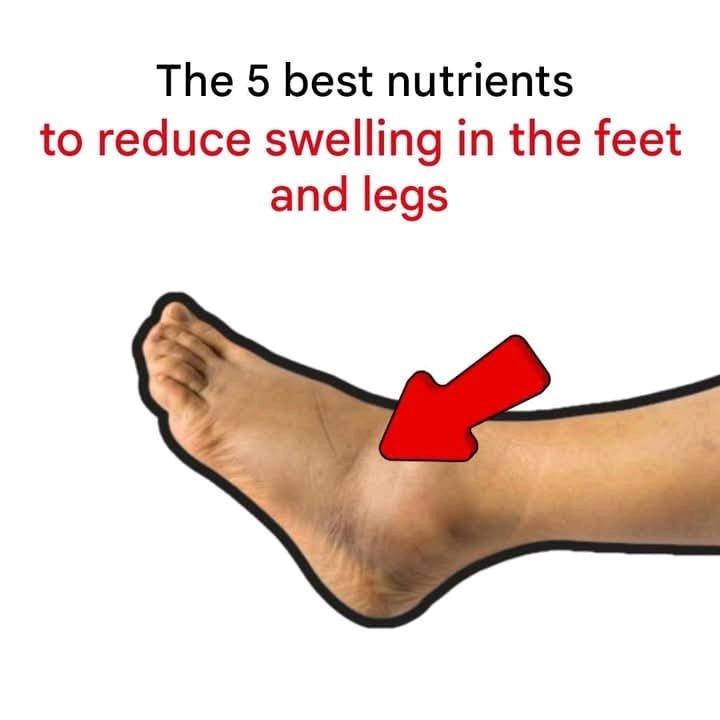
The 5 Best Nutrients to Reduce Swelling in the Feet and Legs
Learn the 5 essential nutrients that help reduce swelling in your feet and legs. Boost circulation, fight inflammation, and ease discomfort naturally.
Introduction: Why Your Feet and Legs Swell
Swelling in the feet and legs—also called edema—is a common problem, especially among adults in the United States. It can make walking uncomfortable, limit mobility, and even affect sleep.
Causes include:
-
Sitting or standing for long periods
-
High salt intake
-
Poor circulation
-
Hormonal changes
-
Certain medications or medical conditions
While lifestyle changes like exercise, elevation, and hydration help, getting the right nutrients can make a huge difference.
In this article, you’ll discover the 5 most effective nutrients scientifically shown to reduce swelling and promote healthier legs and feet.
1. Magnesium: The Anti-Inflammatory Mineral
How Magnesium Helps
Magnesium is essential for:
-
Reducing fluid retention
-
Supporting healthy blood pressure
-
Relaxing muscles and improving circulation
Research shows that magnesium deficiency can worsen swelling and bloating.
Food Sources
-
Spinach, kale, and other leafy greens
-
Nuts like almonds and cashews
-
Seeds: pumpkin, sunflower, chia
-
Dark chocolate (in moderation)
-
Whole grains
Practical Tip
Consider a daily magnesium-rich snack like a handful of almonds with dark chocolate to help fight swelling naturally.
2. Potassium: The Fluid Regulator
How Potassium Helps
Potassium balances sodium in the body. Too much sodium leads to fluid retention, causing swollen ankles and feet. Adequate potassium intake helps the body flush excess water.
Food Sources
-
Bananas and avocados
-
Sweet potatoes and squash
-
Beans and lentils
-
Leafy greens like spinach
Practical Tip
Pair potassium-rich foods with low-sodium meals to maximize anti-swelling benefits.
3. Omega-3 Fatty Acids: Natural Anti-Inflammatories
How Omega-3s Help
Omega-3 fatty acids reduce inflammation in blood vessels and tissues, which can decrease swelling in the extremities.
Food Sources
-
Fatty fish: salmon, sardines, mackerel
-
Flaxseeds and chia seeds
-
Walnuts
-
Omega-3-fortified eggs
Practical Tip
Aim for 2–3 servings of fatty fish per week or add plant-based omega-3 sources daily.
4. Vitamin C: Strengthens Blood Vessels
How Vitamin C Helps
Vitamin C is crucial for collagen production and the strength of blood vessels. Strong vessels are less likely to leak fluid into tissues, reducing edema.
Food Sources
-
Citrus fruits: oranges, grapefruits, lemons
-
Bell peppers (especially red)
-
Strawberries, kiwis, and papaya
-
Broccoli and Brussels sprouts
Practical Tip
A morning smoothie with berries and bell pepper slices can deliver a potent anti-swelling dose.
5. Vitamin E: Protects Against Oxidative Stress
How Vitamin E Helps
Vitamin E is an antioxidant that helps reduce inflammation and oxidative stress, two key contributors to swelling.
Food Sources
-
Nuts: almonds, hazelnuts
-
Seeds: sunflower seeds
-
Spinach and Swiss chard
-
Avocados and olive oil
Practical Tip
Include vitamin E-rich foods in your daily salad or snack routine to combat swelling from the inside out.
Lifestyle Tips to Complement Nutrient Intake
While nutrients are powerful, combining them with lifestyle adjustments maximizes results:
-
Elevate your legs after long periods of sitting or standing
-
Stay hydrated—water helps flush excess sodium
-
Wear compression socks if swelling is persistent
-
Exercise daily: walking, swimming, or yoga improves circulation
-
Limit high-sodium processed foods
Common Mistakes to Avoid
-
Ignoring hydration: Drinking water is essential even when you want to reduce fluid retention.
-
Relying only on supplements: Whole food sources are better absorbed and provide additional nutrients.
-
Overlooking medical conditions: Persistent swelling may indicate heart, kidney, or liver issues—always consult a doctor if swelling is severe or sudden.
FAQs (People Also Ask)
Q1: How long does it take for nutrients to reduce swelling?
A: Results vary, but most people notice improvement within 1–2 weeks of consistent intake and lifestyle adjustments.
Q2: Can magnesium supplements alone fix swollen feet?
A: Supplements help, but a combination of nutrients, hydration, and movement is most effective.
Q3: Is swelling in one leg a serious issue?
A: Yes, unilateral swelling may indicate a blood clot or other medical condition. Seek immediate medical attention.
Q4: Can high salt intake worsen swelling even if I eat these nutrients?
A: Yes, sodium can counteract anti-swelling nutrients, so reducing salt is essential.
Q5: Are there natural teas that help reduce swelling?
A: Yes, herbal teas like ginger, dandelion, and green tea can support circulation and reduce fluid retention.
Final Thoughts
Swollen feet and legs are not just uncomfortable—they can indicate deeper health issues. By incorporating magnesium, potassium, omega-3s, vitamin C, and vitamin E into your diet, along with lifestyle changes, you can:
-
Reduce inflammation
-
Improve circulation
-
Ease swelling naturally
Your legs and feet will feel lighter, healthier, and more energized—ready to take on the day!
Call to Action
-
Start adding these 5 nutrients daily and monitor results
-
Share this guide with friends or family experiencing swelling
-
Comment below: Which nutrient-rich food will you add to your meals first?