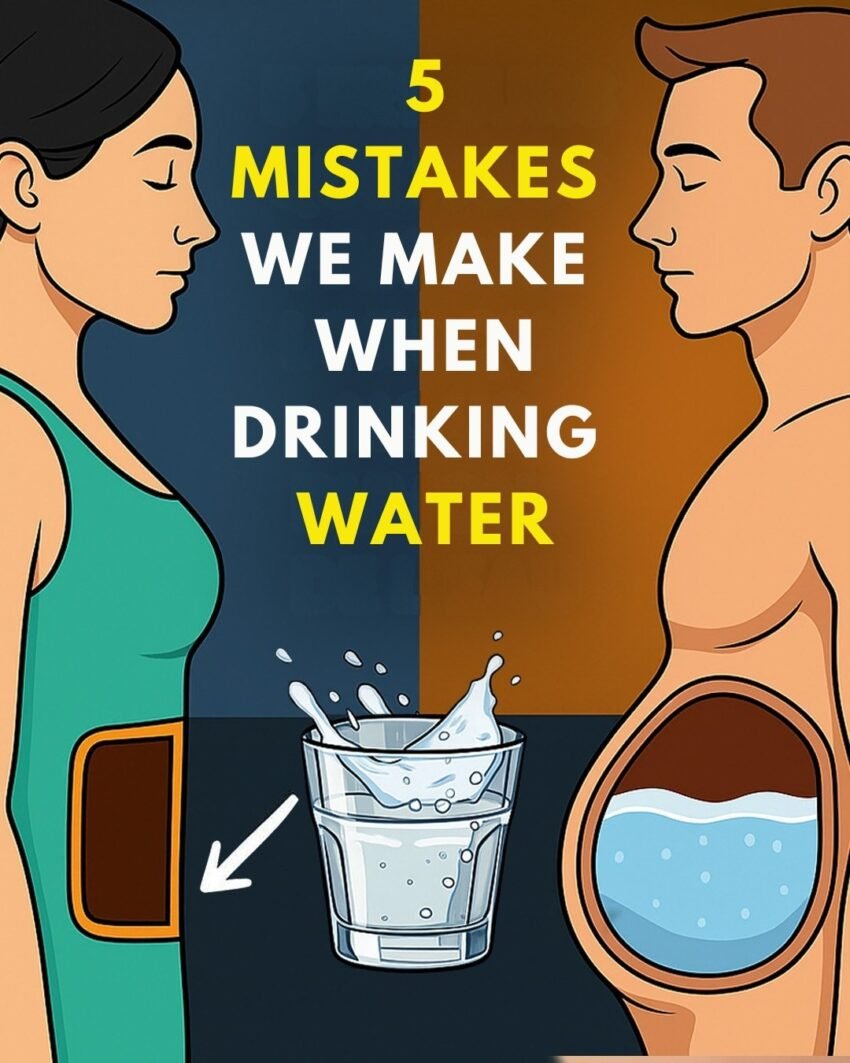
How to Drink Water Properly for Better Health: 12 Science-Backed Habits Most People Ignore
Learn how to drink water the right way with simple, science-backed habits that boost energy, digestion, and overall health.
Why “Just Drink More Water” Isn’t Enough
You’ve probably heard it your whole life: drink more water.
But here’s what most people in the U.S. don’t realize — how you drink water matters just as much as how much you drink.
Drinking too fast, at the wrong time, or in the wrong way can actually:
- Disrupt digestion
- Reduce nutrient absorption
- Cause bloating
- Leave you feeling more fatigued
On the flip side, when done properly, hydration can:
- Boost energy levels
- Improve brain function
- Support weight management
- Enhance skin health
- Aid digestion and metabolism
This guide breaks down exactly how to drink water the right way, based on physiology, real-world habits, and practical strategies you can apply immediately.
Understanding Hydration: What Your Body Actually Needs
Water isn’t just about quenching thirst — it’s essential for nearly every function in your body.
What water does inside your body:
- Regulates body temperature
- Transports nutrients and oxygen
- Flushes out toxins
- Lubricates joints
- Supports brain performance
Even mild dehydration (1–2%) can impact mood, focus, and energy.
How Much Water Do You Really Need?
The “8 glasses a day” rule is a starting point — not a universal truth.
A better guideline:
- Men: ~3.7 liters (125 oz) daily
- Women: ~2.7 liters (91 oz) daily
(Includes fluids from food and beverages)
Adjust based on:
- Activity level
- Climate (hot U.S. states require more)
- Body weight
- Caffeine or alcohol intake
12 Proven Ways to Drink Water Properly
1. Start Your Morning with Water (Before Coffee)
After 6–8 hours of sleep, your body is naturally dehydrated.
What to do:
- Drink 1–2 glasses of water within 30 minutes of waking
- Wait 15–20 minutes before coffee
Why it works:
- Rehydrates cells
- Activates metabolism
- Improves mental clarity
2. Sip — Don’t Chug
One of the biggest mistakes people make is drinking water too quickly.
The right way:
- Take small, steady sips
- Spread intake throughout the day
Why this matters:
- Improves absorption
- Reduces strain on kidneys
- Prevents bloating
3. Avoid Drinking Large Amounts During Meals
Drinking too much water while eating can dilute digestive enzymes.
Smart approach:
- Drink water 30 minutes before meals
- Take only small sips during meals if needed
4. Listen to Your Thirst — But Don’t Rely on It Alone
Thirst is a late signal.
By the time you feel thirsty, you’re already mildly dehydrated.
Better strategy:
- Build a routine (don’t wait for thirst)
- Use reminders or water bottles with time markers
5. Drink Based on Your Body Weight
A more personalized rule:
- 0.5 to 1 ounce per pound of body weight
Example:
If you weigh 160 lbs → aim for 80–160 oz daily
6. Adjust Intake Around Exercise
If you work out, hydration becomes even more critical.
Before workout:
- 16–20 oz water
During:
- Small sips every 15–20 minutes
After:
- Rehydrate based on sweat loss
7. Don’t Ignore Electrolytes
Water alone isn’t always enough.
Especially in hot climates or after sweating, your body needs:
- Sodium
- Potassium
- Magnesium
Natural sources:
- Coconut water
- Fruits like bananas
- Lightly salted meals
8. Drink Room Temperature Water (Most of the Time)
Ice-cold water might feel refreshing, but it’s not always ideal.
Why room temp works better:
- Easier on digestion
- Absorbed more efficiently
- Less shock to the system
9. Spread Water Intake Evenly Throughout the Day
Avoid this common pattern:
- Very little water all day
- Excessive intake at night
Better approach:
- Morning: 25%
- Afternoon: 50%
- Evening: 25%
10. Watch Your Urine Color
This is one of the simplest hydration indicators.
Ideal color:
- Pale yellow = well hydrated
Warning signs:
- Dark yellow = dehydration
- Completely clear = overhydration
11. Pair Water with Daily Habits
Make hydration automatic.
Examples:
- Drink after brushing teeth
- Drink before every meal
- Keep a bottle at your desk or in your car
12. Avoid Overhydration
Yes — too much water can be harmful.
Condition to be aware of:
- Water intoxication (hyponatremia)
Signs:
- Nausea
- Headache
- Confusion
Balance is key.
Real-Life Scenario: Fixing Low Energy with Better Hydration
A typical office worker in the U.S.:
- Drinks coffee all morning
- Forgets water
- Feels tired by afternoon
After adjusting habits:
- Starts morning with water
- Drinks steadily throughout the day
- Reduces caffeine slightly
Result:
- More stable energy
- Better focus
- Fewer headaches
Common Hydration Mistakes (And How to Fix Them)
Mistake 1: Only drinking when thirsty
Fix: Set reminders
Mistake 2: Drinking too much at once
Fix: Sip consistently
Mistake 3: Replacing water with sugary drinks
Fix: Prioritize plain water
Mistake 4: Ignoring hydration in winter
Fix: Maintain intake year-round
Pros and Cons of Drinking More Water
Benefits
- Better energy and focus
- Improved digestion
- Healthier skin
- Supports weight management
Potential Downsides
- Overhydration if excessive
- Frequent urination
- Electrolyte imbalance if not balanced
Expert Tips Most People Don’t Know
- Drinking water before meals can help control appetite
- Mild dehydration is often mistaken for hunger
- Adding a pinch of salt to water can improve absorption (in certain cases)
- Your brain is ~75% water — hydration directly impacts thinking
2026 Hydration Trends
- Smart water bottles with reminders
- Electrolyte-enhanced beverages
- Personalized hydration tracking apps
- Increased focus on functional hydration
Frequently Asked Questions
1. How much water should I drink daily?
It depends on your body and lifestyle, but generally 2.7–3.7 liters.
2. Is drinking water at night bad?
Small amounts are fine, but avoid large intake before bed.
3. Can I drink too much water?
Yes, overhydration can be dangerous.
4. Does coffee count as water?
Partially, but it can also dehydrate slightly.
5. What’s the best time to drink water?
Morning, before meals, and throughout the day.
6. Is cold water harmful?
Not harmful, but not ideal for digestion in large amounts.
7. How do I know I’m hydrated?
Check urine color and energy levels.
8. Should I drink water during meals?
Only small sips.
9. Does water help with weight loss?
Yes, it can reduce appetite and support metabolism.
10. What if I don’t feel thirsty?
Stick to a schedule — don’t rely on thirst alone.
Your Daily Hydration Checklist
- ✔ Drink water immediately after waking
- ✔ Sip consistently throughout the day
- ✔ Drink before meals
- ✔ Adjust for exercise and climate
- ✔ Monitor urine color
- ✔ Avoid sugary drink substitutes
- ✔ Maintain electrolyte balance
Conclusion: Small Habit, Massive Impact
Proper hydration isn’t complicated — but it is often misunderstood.
The difference between feeling tired and energized…
between brain fog and clarity…
between sluggish digestion and smooth metabolism…
…can come down to how you drink water every day.
Drinking water correctly isn’t about extremes — it’s about consistency, timing, and awareness.
Master these small habits, and your body will respond in ways you’ll notice quickly.
If this helped you rethink your hydration habits, share it with someone who always forgets to drink water — or drop a comment with your biggest takeaway.