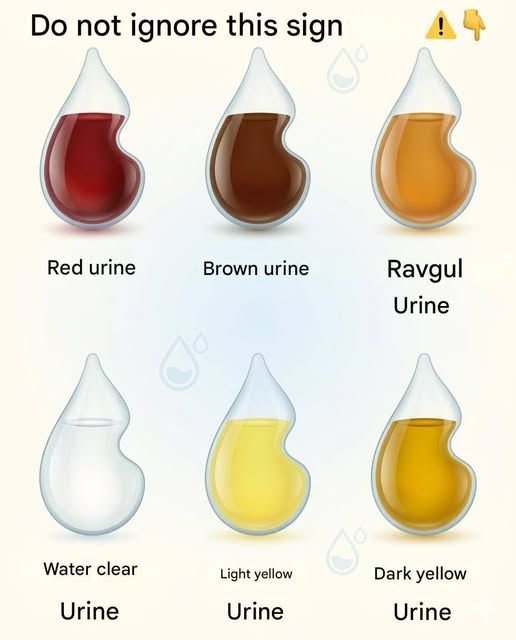
What the Color of Your Urine Says About Your Health: 12 Warning Signs You Should Never Ignore
Urine color can reveal hydration levels and potential health issues. Learn what clear, yellow, dark, or unusual urine colors may indicate about your body.
Why Your Urine Is One of the Most Honest Signals Your Body Gives You
Most people don’t think twice about it.
You go to the bathroom, flush, and move on.
But your urine is actually one of the simplest and most immediate indicators of what’s happening inside your body.
Doctors often use urine color as a quick screening clue for:
- Hydration status
- Liver and kidney function
- Diet effects
- Possible infections
The good news?
👉 Most changes are harmless and temporary.
But some can be early warning signs worth paying attention to.
The Science Behind Urine Color
Urine gets its color primarily from a pigment called urobilin, a byproduct of red blood cell breakdown.
The concentration of this pigment changes based on:
- How much water you drink
- What you eat
- Medications or supplements
- Your overall health
More water = lighter urine
Less water = darker urine
Simple—but powerful.
12 Urine Colors and What They May Mean
Let’s break down what different urine colors can signal.
1. Clear or Transparent Urine
What it usually means:
- Very well hydrated
- Possibly overhydrated
Is it good or bad?
Generally good, but consistently clear urine may mean you’re drinking more water than your body needs.
💡 Tip: Balance is key—hydration shouldn’t be excessive all day long.
2. Light Straw or Pale Yellow (Ideal Color)
This is considered the healthiest urine color.
What it means:
- Proper hydration
- Normal kidney function
- Balanced fluid intake
Most health professionals agree this is the “sweet spot.”
3. Dark Yellow
What it may indicate:
- Mild dehydration
- Concentrated urine
- Need for more fluids
This is one of the most common colors, especially in busy adults.
4. Amber or Honey-Colored Urine
Possible causes:
- Moderate dehydration
- Excessive sweating
- Not drinking enough fluids
If it persists, hydration should be increased.
5. Orange Urine
Possible explanations:
- Dehydration
- Certain medications
- High vitamin B2 intake
- Liver or bile duct issues (less common but important)
⚠️ If persistent, consult a healthcare professional.
6. Pink or Light Red Urine
Possible causes:
- Beets, berries, or food dyes
- Urinary tract infection (UTI)
- Kidney stones
- Blood in urine (hematuria)
⚠️ If not food-related, this should be checked by a doctor.
7. Dark Red or Brownish Urine
Possible concerns:
- Blood in urine
- Liver conditions
- Severe dehydration
- Muscle breakdown (rare)
This is a red flag symptom and should not be ignored.
8. Blue or Green Urine
Possible causes:
- Certain medications
- Food coloring
- Rare genetic conditions
Usually harmless, but unusual enough to mention to a doctor if unexplained.
9. Cloudy Urine
What it may indicate:
- Urinary tract infection
- Kidney stones
- High phosphate levels
- Dehydration
If accompanied by pain or burning, it may indicate infection.
10. Foamy or Bubbly Urine
Possible causes:
- Fast urination (normal)
- Protein in urine (possible kidney issue)
If persistent, it may require medical evaluation.
11. Strong-Smelling Urine
Common reasons:
- Dehydration
- Asparagus or certain foods
- Vitamin supplements
- Urinary tract infection
Persistent strong odor + discomfort may indicate infection.
12. Very Pale Almost Colorless Urine (Repeated Pattern)
What it may suggest:
- Overhydration
- Electrolyte imbalance in rare cases
Drinking excessive water can sometimes dilute essential minerals.
When You Should Pay Attention
You should consider medical advice if you notice:
- Blood in urine not linked to food
- Persistent dark or brown urine
- Pain or burning during urination
- Cloudiness lasting more than a few days
- Sudden unexplained color changes
How Lifestyle Affects Urine Color
Your daily habits play a major role.
Hydration
The #1 factor influencing urine color.
Diet
Foods like:
- Beets
- Carrots
- Berries
can temporarily change color.
Supplements
Especially:
- B vitamins
- Multivitamins
Medications
Some antibiotics and drugs can alter urine appearance.
Pros and Cons of Monitoring Urine Color
| Pros | Cons |
|---|---|
| Easy health indicator | Can cause unnecessary worry |
| Helps detect dehydration early | Not always medically specific |
| No tools required | Misinterpretation is common |
Common Mistakes People Make
❌ Panicking over temporary changes
Many changes are food-related and harmless.
❌ Ignoring persistent abnormal colors
Long-term changes should be checked.
❌ Overhydrating unnecessarily
Too much water can dilute electrolytes.
❌ Self-diagnosing serious conditions
Urine color is a clue—not a diagnosis.
Expert Insight on Urine Monitoring
Health professionals emphasize that urine color is a useful but limited indicator of health.
Organizations like Harvard University highlight hydration and kidney function as key factors reflected in urine appearance.
The main takeaway:
👉 It’s a helpful daily signal—but not a standalone diagnostic tool.
2026 Health Trend: Personal Biomarkers Are Going Mainstream
More people in the U.S. are tracking:
- Urine color
- Sleep quality
- Heart rate variability
- Hydration levels
Wellness publications like Forbes report growing interest in simple, at-home health monitoring tools.
Urine color remains one of the easiest and most overlooked indicators.
Frequently Asked Questions
What is the healthiest urine color?
Light straw or pale yellow.
Is dark yellow urine dangerous?
Usually not—it often means mild dehydration.
Why is my urine clear all the time?
You may be drinking too much water.
Can food change urine color?
Yes, especially beets, berries, and artificial dyes.
Is cloudy urine always an infection?
Not always, but it can be a sign.
Should I worry about orange urine?
If persistent and unexplained, yes.
Why does my urine smell strong?
Commonly due to dehydration or diet.
When should I see a doctor?
If you notice persistent abnormal color, pain, or blood.
Action Checklist
- ✔ Check urine color occasionally, not obsessively
- ✔ Aim for light yellow as a healthy baseline
- ✔ Stay consistently hydrated
- ✔ Watch for persistent changes
- ✔ Consider diet and supplements before worrying
- ✔ Seek medical advice if symptoms persist
Your urine is one of your body’s simplest health indicators.
Most of the time, changes are harmless and related to hydration or diet.
But sometimes, they can offer early clues worth paying attention to.
Final Thought
Health doesn’t always speak loudly.
Sometimes it shows up quietly—in the smallest details of everyday life.
Even something as simple as urine color can help you stay more aware of your body and take better care of it.
If you’ve ever noticed unusual urine color and later found the cause, share your experience—it might help someone else understand their own body a little better.