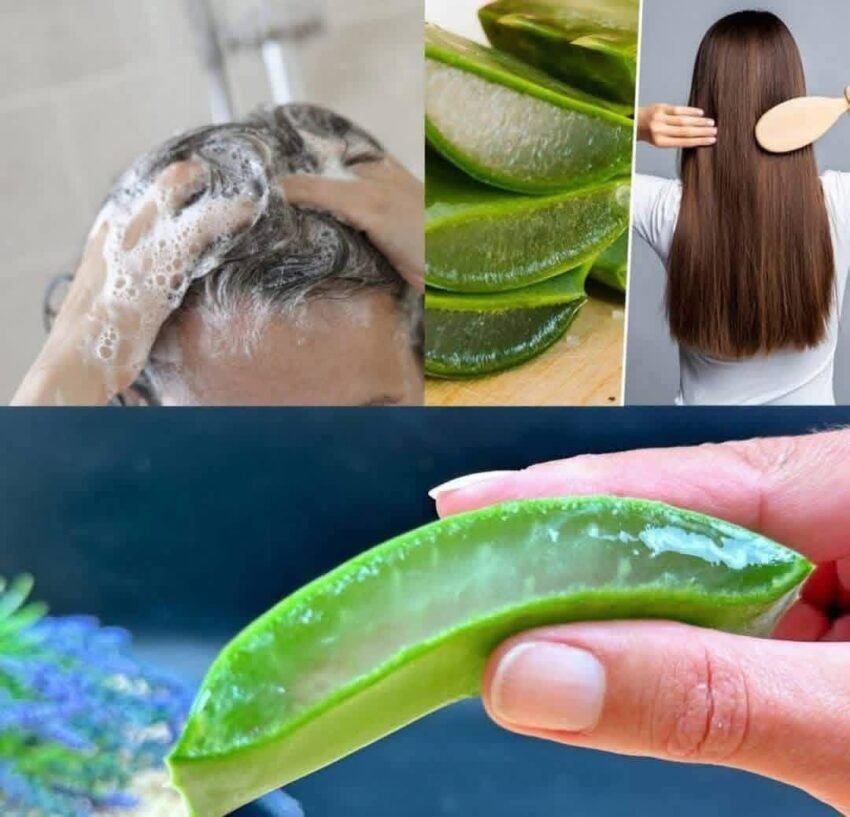
Aloe Vera for Hair: The Natural Remedy That May Support Stronger, Healthier Growth
Discover how aloe vera may support healthier hair growth, reduce breakage, and soothe the scalp—plus how to use it safely for best results.
Introduction: Can a Simple Plant Really Transform Your Hair?
You’ve probably seen the claims:
“Hair grows like crazy!”
“Stops hair fall instantly!”
“Best natural remedy ever!”
When it comes to aloe vera, the hype is everywhere.
But here’s the truth most blogs don’t tell you:
Aloe vera isn’t magic.
It is powerful — but in a very specific, science-backed way.
If you’re dealing with:
-
Increased shedding
-
Dry, brittle strands
-
Itchy scalp
-
Dull, lifeless hair
Aloe vera may help create the right environment for healthier-looking hair.
In this in-depth guide, you’ll learn:
-
What aloe vera actually does for hair
-
How it supports scalp health
-
Who it works best for
-
Step-by-step application methods
-
Common mistakes to avoid
-
What results you can realistically expect
Let’s break it down properly.
What Is Aloe Vera, Really?
Aloe vera comes from the succulent plant Aloe vera.
Inside its thick leaves is a clear gel packed with:
-
Water (about 99%)
-
Vitamins (A, C, E, B12)
-
Enzymes
-
Amino acids
-
Minerals
-
Polysaccharides
For centuries, aloe has been used to soothe burns and hydrate skin. Its use in hair care is an extension of its scalp-soothing and moisturizing properties.
Does Aloe Vera Actually Make Hair Grow Faster?
Let’s clarify something important:
No topical ingredient can force hair to grow at an unnatural rate.
Hair growth is influenced by:
-
Genetics
-
Hormones
-
Age
-
Nutrition
-
Overall health
However…
Aloe vera can support healthier growth indirectly by improving scalp conditions.
Think of it like soil in a garden.
Healthy soil = better plant growth.
Healthy scalp = better hair potential.
How Aloe Vera Supports Hair Health
1. Soothes an Irritated Scalp
If your scalp is inflamed, itchy, or flaky, follicles may not function optimally.
Aloe contains compounds that may help calm irritation and reduce redness.
People with mild dandruff or dryness often report relief after consistent use.
2. Reduces Breakage (Not the Same as Stopping Hair Fall)
Many people confuse breakage with hair loss.
Aloe vera:
-
Hydrates strands
-
Improves flexibility
-
Reduces brittleness
That means fewer snapped hairs when brushing or styling.
Less breakage = fuller-looking hair over time.
3. Supports a Balanced Scalp Environment
Aloe has mild antimicrobial properties. While it won’t cure medical scalp conditions, it may help maintain a cleaner, healthier scalp environment.
4. Adds Natural Shine
Because aloe smooths the hair cuticle, it can:
-
Increase light reflection
-
Improve softness
-
Enhance manageability
Who Benefits Most from Aloe Vera?
Aloe tends to work best for people who have:
-
Dry scalp
-
Mild dandruff
-
Frizz-prone hair
-
Heat-damaged strands
-
Curly or textured hair needing moisture
It may not be enough on its own for advanced genetic hair thinning.
How to Use Aloe Vera for Hair (Step-by-Step)
Consistency matters more than complexity.
Here are three proven methods.
Method 1 – Pure Aloe Scalp Treatment
Best for: Dry or itchy scalp
How to do it:
-
Apply fresh aloe gel directly to the scalp.
-
Massage gently for 5 minutes.
-
Leave on for 30–45 minutes.
-
Rinse with lukewarm water.
-
Repeat 2–3 times per week.
Method 2 – Aloe as a Leave-In Conditioner
Best for: Frizz and dryness
-
Mix 1 tablespoon aloe gel with a small amount of water.
-
Apply lightly to damp hair ends.
-
Avoid heavy scalp application if your hair gets oily easily.
H3: Method 3 – Aloe + Coconut Oil Mask
Best for: Deep hydration
-
Mix equal parts aloe gel and coconut oil.
-
Apply from scalp to ends.
-
Leave for 30 minutes.
-
Shampoo thoroughly.
Realistic Timeline for Results
Here’s what most people can expect:
Week 1–2
-
Softer texture
-
Reduced itchiness
Week 3–4
-
Less visible dryness
-
Improved shine
Month 2–3
-
Reduced breakage
-
Fuller appearance due to improved strand health
Remember: Hair grows roughly half an inch per month.
Patience is essential.
Common Mistakes That Reduce Results
❌ Using Store-Bought Gel with Alcohol
Some commercial aloe products contain drying additives.
Always check the ingredient list.
❌ Applying Too Much
Excess gel can cause buildup.
❌ Expecting It to Reverse Baldness
Aloe supports scalp health — it does not reactivate dormant follicles in advanced hair loss.
❌ Skipping Patch Testing
Even natural ingredients can cause allergic reactions.
Test on your inner arm before full application.
Aloe Vera vs. Medical Hair Treatments
Here’s a balanced comparison:
| Aloe Vera | Medical Treatments |
|---|---|
| Natural plant-based | Clinically tested drugs |
| Supports scalp health | Directly targets hair growth cycle |
| Low cost | May be more expensive |
| Gradual cosmetic benefits | Potentially stronger regrowth effects |
They are not competitors. They serve different purposes.
Many people use aloe as a complementary support ingredient.
Frequently Asked Questions
1. Can aloe vera stop hair fall completely?
It may reduce breakage but cannot stop genetic hair loss.
2. How often should I use it?
2–3 times weekly is usually sufficient.
3. Can I leave aloe vera overnight?
Yes, if your scalp tolerates it well.
4. Does aloe thicken hair?
It may improve strand texture, making hair appear thicker.
5. Is fresh aloe better than store-bought?
Fresh is ideal if properly handled and clean.
6. Can aloe clog pores?
Heavy application without rinsing may cause buildup in some people.
7. Is it safe for color-treated hair?
Yes, aloe is generally gentle.
8. Can men use aloe vera?
Absolutely.
9. Does aloe help with dandruff?
It may help soothe mild flaking.
Aloe vera isn’t a miracle cure.
But it is:
-
Hydrating
-
Soothing
-
Affordable
-
Accessible
-
Backed by traditional use and supportive research
If your goal is healthier-looking, stronger-feeling hair — aloe can be a powerful addition to your routine.
Just remember:
Healthy hair growth starts with a healthy scalp, good nutrition, stress management, and realistic expectations.
If you found this guide helpful, share it with someone exploring natural hair care options. And if you’ve tried aloe vera yourself, what was your experience?