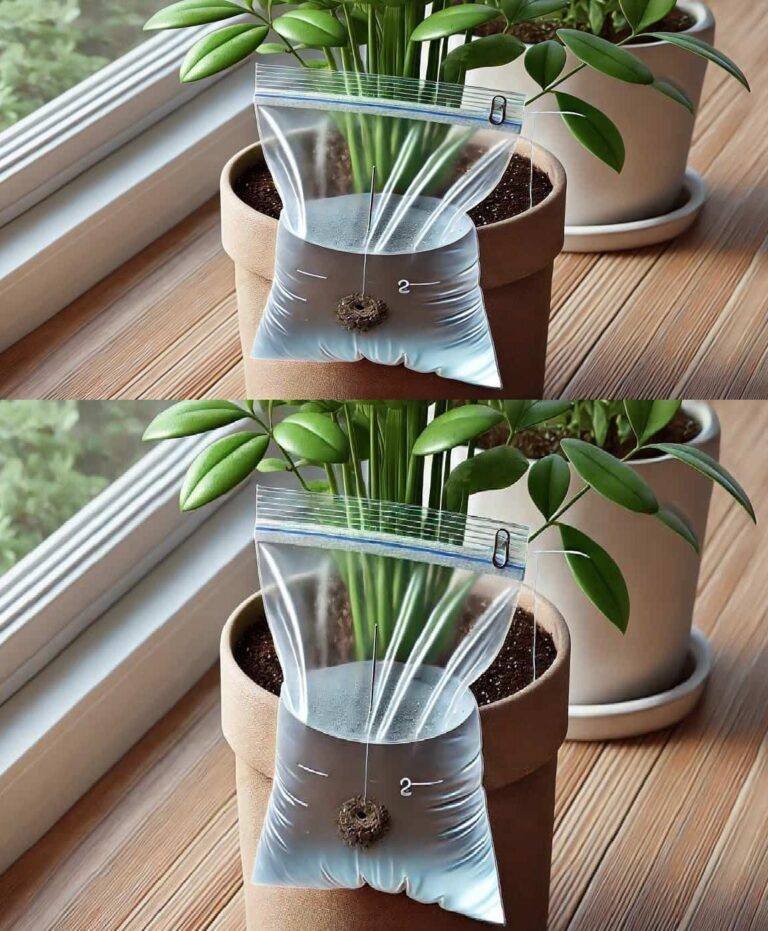
🌿 The Ideal Way to Water Plants While You’re on Vacation (Vegetable Gardens + Potted Plants That Survive Without Stress)
Learn the best ways to water vegetable gardens and potted plants while on vacation. Simple, effective methods to keep plants alive and healthy.
You pack your bags.
You double-check your flight.
You lock the door.
Then it hits you halfway down the road:
“Who’s going to water the plants?”
For anyone with a vegetable garden or indoor pots, this moment feels oddly stressful. Because unlike pets or electronics, plants don’t remind you they’re struggling… they just slowly show it.
Dry leaves. Drooping stems. Soil that turns dusty and lifeless.
The good news?
You don’t need a neighbor checking in every day—or expensive irrigation systems—to keep most plants alive while you’re away.
There are simple, reliable watering methods that actually work.
Let’s break them down clearly for both vegetable gardens and potted plants.
🧠 First: What Plants Really Need While You’re Gone
Plants don’t need constant watering.
They need:
- consistent moisture
- slow water release
- protection from heat stress
- reduced evaporation
The goal is not to “soak” them once before leaving.
It’s to create a steady hydration system while you’re away.
🌱 Best Watering Methods for Vegetable Gardens
Vegetable gardens usually need more water because they’re exposed to sun and wind.
Here are the most effective solutions:
💧 1. Deep Watering Before You Leave (Foundation Step)
This is the most important step.
How to do it:
- Water deeply for 10–20 minutes per section
- Let water soak 6–8 inches into soil
- Repeat once more after a short break
Why it works:
Deep soil moisture lasts longer than surface watering.
👉 This alone can sustain many vegetable plants for 2–3 days.
🌾 2. Mulching (The Secret Weapon)
Mulch is one of the simplest and most powerful vacation strategies.
Best materials:
- straw
- dried leaves
- grass clippings
- wood chips
Benefits:
- reduces evaporation
- keeps soil cool
- slows water loss
- protects roots from heat
👉 A properly mulched garden can cut watering needs by up to 50%.
🧴 3. DIY Slow-Release Bottle System
This is one of the most reliable home methods.
What you need:
- plastic bottles
- pin or small nail
How to use:
- poke tiny holes in bottle cap
- fill bottle with water
- bury upside down near plant roots
What happens:
Water slowly seeps into soil over hours or days.
Perfect for:
- tomatoes
- peppers
- cucumbers
- leafy greens
🌿 4. Drip Irrigation (Best Long-Term Solution)
If you travel often, this is worth considering.
Why it works:
- delivers water directly to roots
- reduces waste
- maintains consistent moisture
Even a simple gravity-fed drip system can work without electricity.
🪴 Best Watering Methods for Potted Plants
Potted plants dry out faster than garden soil because:
- limited soil volume
- faster evaporation
- indoor heat or sunlight
Here’s how to protect them:
🧺 1. Self-Watering Wick System
A simple and highly effective method.
How it works:
- place a water container nearby
- use cotton rope or cloth strip
- connect pot soil to water source
Water travels slowly into the pot.
Best for:
- indoor plants
- herbs
- small containers
🧊 2. Bath or Sink Water Method (For Indoor Plants)
If you’re gone 3–7 days:
Steps:
- place towels in bathtub or sink
- add a shallow layer of water
- place pots inside
Why it works:
Plants absorb moisture from the bottom as needed.
🧴 3. Water Globes or Bottles
You can use:
- store-bought water globes
- upside-down bottles
They slowly release water into soil.
Best for:
- medium houseplants
- decorative pots
🌫️ 4. Grouping Plants Together
This is a surprisingly effective trick.
Why it helps:
- creates humid microclimate
- reduces evaporation
- stabilizes temperature
Keep them away from direct sun.
☀️ 5. Move Plants Before You Leave
Small adjustment = big impact.
Do this:
- move pots to shade
- avoid windows with harsh sunlight
- keep away from heat sources
Less heat = slower drying soil.
📊 Quick Comparison: Vacation Watering Methods
| Method | Best For | Duration | Effort |
|---|---|---|---|
| Deep watering | Gardens | 2–3 days | Low |
| Mulching | Gardens | 3–7 days | Low |
| Bottle drip | Gardens | 3–10 days | Medium |
| Wick system | Pots | 3–7 days | Medium |
| Water bath | Pots | 5–10 days | Low |
| Drip irrigation | All | Long-term | High (setup) |
⚠️ Common Mistakes People Make
❌ Overwatering before leaving
Too much water can suffocate roots.
❌ Leaving plants in direct sun
This accelerates drying.
❌ Ignoring soil type
Sandy soil dries faster than clay soil.
❌ Not testing methods before vacation
Always test systems beforehand.
🧠 Expert Insight: The Real Secret Is Slow Watering
Most plant problems during vacations come from:
- sudden dryness
- uneven watering
- heat stress
Not from lack of “perfect systems.”
Slow, steady moisture always beats one-time heavy watering.
🌿 Real-Life Scenario
A gardener leaves for 7 days:
Before leaving:
- deep waters garden
- adds thick mulch
- sets up bottle drip for tomatoes
- moves pots into shade with wick system
After returning:
- vegetables are healthy
- pots slightly dry but alive
- minimal stress overall
No expensive equipment needed—just smart preparation.
🧾 Action Checklist
✔ Do:
- Water deeply before leaving
- Add mulch to garden beds
- Use slow-release watering systems
- Move potted plants to shade
- Group indoor plants together
✘ Avoid:
- Leaving plants in direct sunlight
- Overwatering before travel
- Relying on a single method
- Ignoring plant type differences
- Skipping a test run
🏁 Conclusion
Keeping plants alive while on vacation doesn’t require complicated systems or constant monitoring.
It requires understanding one simple principle:
👉 Plants survive best with slow, steady moisture—not sudden soaking.
Whether you’re tending vegetables in a garden or caring for indoor pots, a few smart adjustments can make all the difference.
With the right setup, you can leave home with confidence—and return to healthy, thriving plants.
Combine deep watering, moisture retention, and slow-release methods to keep both vegetable gardens and potted plants healthy while you’re away.
If this helped, share it with someone who always worries about their plants before traveling—or save it for your next trip.