Found Something Strange in Your Ground Beef? 9 Possible Explanations (and What to Do Next)
Noticed an unusual object in your ground beef? Learn the most common causes, how to identify it, and when to report it for safety.
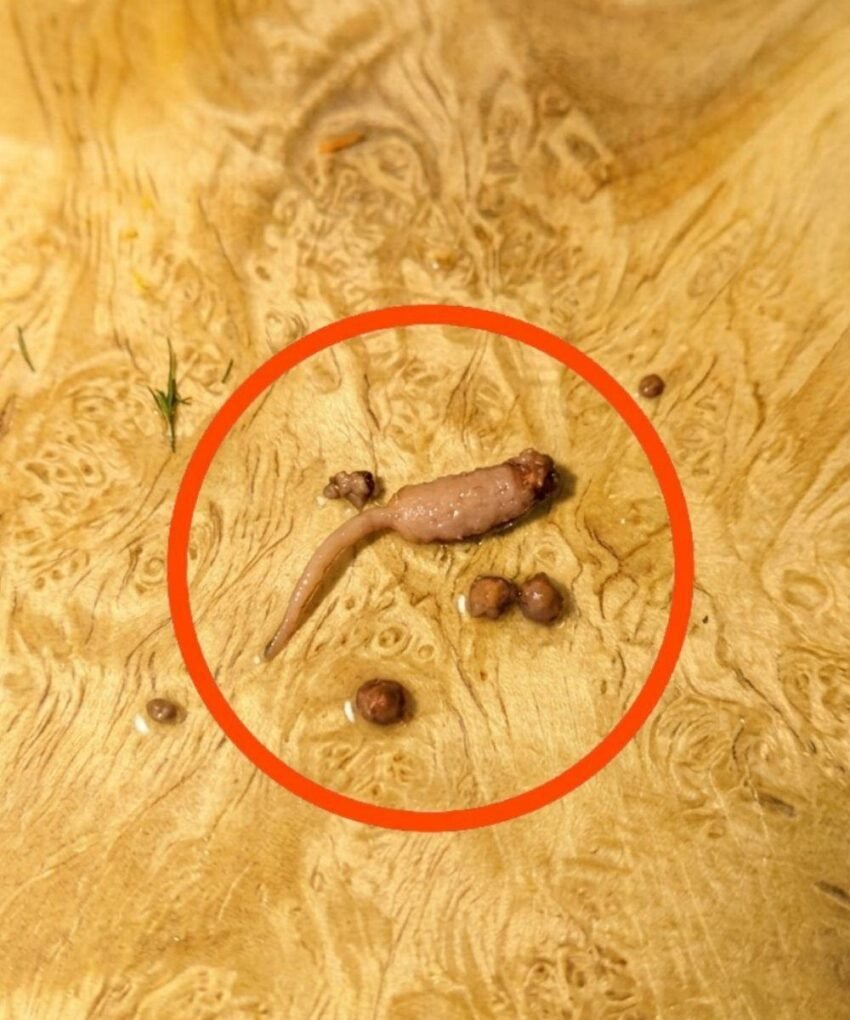
You’re cooking dinner, everything seems normal—and then you see it.
Something in the pan doesn’t look like ground beef. It stands out in color, texture, or shape. Maybe it’s rubbery, oddly firm, or just… wrong.
That moment can instantly kill your appetite—and raise a bigger question: Is this dangerous?
You’re not alone. This happens more often than people realize, and in most cases, there’s a reasonable explanation. The key is knowing how to identify what you’re seeing—and what action (if any) you should take.
Let’s break it down clearly and calmly.
First Things First: Don’t Panic
Finding something unusual in food is unsettling, but it doesn’t automatically mean contamination or danger.
Ground beef is a processed product, meaning it’s made by combining meat from multiple cuts—and sometimes multiple animals—during grinding. That alone can create variations in:
- Texture
- Color
- Density
Still, some findings deserve closer attention.
1. Gristle or Connective Tissue (Most Common)
This is the #1 reason people think they’ve found something “weird.”
Gristle is:
- Tough
- Chewy or rubbery
- Often lighter in color
It comes from connective tissue that didn’t fully break down during grinding.
Safe? Yes, but unpleasant to eat. Most people just remove it.
2. Bone Fragments
Small bone pieces can occasionally make it through processing.
They may appear:
- Hard
- White or off-white
- Sharp-edged
Safe? Not ideal. While usually not harmful if noticed, they can pose a choking or dental risk.
3. Cartilage
Cartilage is softer than bone but firmer than meat.
It may look:
- Slightly translucent
- Smooth
- Firm but bendable
Safe? Generally yes, though many people prefer to discard it.
4. Congealed Fat
Sometimes fat behaves in surprising ways when cooked.
It can appear:
- Waxy
- Pale or yellowish
- Slightly rubbery when cooled
Safe? Yes. It’s just fat that has solidified differently.
5. Blood Clots or Dark Tissue
Occasionally, you might see darker, dense pieces.
These could be:
- Blood-rich tissue
- Organ-adjacent fragments
Safe? Usually yes if fully cooked, but many people choose not to eat them.
6. Seasoning or Additives (in Pre-Packaged Beef)
If you’re using pre-seasoned ground beef, what you see might not be meat at all.
Possible culprits:
- Spice clumps
- Soy protein fillers
- Preservative residues
Safe? Yes, if labeled—but always check the packaging.
7. Plastic or Packaging Contamination (Rare but Serious)
This is where you need to pay attention.
Foreign objects may include:
- Small plastic pieces
- Film from packaging
- Machine residue
Safe? No. Do not consume. Save the product and report it.
In the U.S., issues like this are handled by agencies such as the United States Department of Agriculture.
8. Parasites (Very Rare in Commercial Beef)
This is often a fear—but rarely the reality in inspected meat.
Strict regulations and inspection standards make this extremely uncommon in countries with regulated food systems.
If something looks suspicious, it’s better to:
- Avoid eating it
- Report it if necessary
9. Burnt Residue or Pan Reaction
Sometimes the “object” isn’t from the meat at all.
It could be:
- Burnt seasoning
- Oil residue
- Carbon buildup from the pan
These can look unusual once separated from the meat.
Step-by-Step: What You Should Do Immediately
Step 1: Stop Eating
If you haven’t already eaten it, pause.
Step 2: Inspect the Object
Look at:
- Texture
- Color
- Smell
Step 3: Compare with Known Possibilities
Does it match:
- Gristle?
- Bone?
- Fat?
Step 4: When in Doubt, Throw It Out
It’s not worth the risk.
Step 5: Save Evidence (If Concerned)
Keep:
- Packaging
- Receipt
- The object (if safe to store)
Step 6: Report if Necessary
Contact:
- The store
- Manufacturer
- Food safety authorities
Real-World Scenario
A home cook notices a small, hard white piece in browned ground beef.
At first, they worry it’s plastic. After inspection, it turns out to be a bone fragment.
They discard it, continue cooking safely, and move on—no harm done.
This is a common outcome.
Comparison: Harmless vs Concerning Findings
| Type | Risk Level | Action Needed |
|---|---|---|
| Gristle | Low | Remove and continue |
| Fat | None | Safe to eat |
| Cartilage | Low | Optional removal |
| Bone fragments | Moderate | Remove carefully |
| Plastic/foreign | High | Discard and report |
Pros and Cons of Ground Beef Processing
Pros
- Affordable
- Versatile
- Widely available
Cons
- Less control over exact contents
- Occasional texture inconsistencies
- Rare foreign material risks
Common Mistakes (And Fixes)
Mistake: Assuming the worst immediately
Fix: Inspect calmly and logically
Mistake: Continuing to eat despite uncertainty
Fix: When unsure, stop and reassess
Mistake: Throwing everything away without checking
Fix: Identify the issue first—it’s often harmless
Expert Insights Most People Miss
- Ground meat combines multiple cuts, so variation is normal
- Visual differences don’t always mean contamination
- True foreign object contamination is rare—but taken seriously
Food safety systems in the U.S. are designed to minimize risk, but no system is perfect.
Trends and Updates (2026)
- Increased transparency in meat sourcing
- Improved processing technology
- Better consumer reporting systems
Food safety is becoming more traceable and accountable.
Future Outlook
Expect:
- Enhanced quality control
- Faster recall notifications
- More detailed labeling
Consumers are demanding—and getting—better standards.
FAQ Section
1. Is it normal to find weird pieces in ground beef?
Yes, especially gristle or fat variations.
2. How can I tell if it’s plastic?
Plastic usually doesn’t break down with heat and has a distinct texture.
3. Should I report it?
If it looks like a foreign object, yes.
4. Is it safe to keep eating the rest?
If the issue is clearly harmless (like fat), usually yes.
5. Can cooking kill contaminants?
It kills bacteria—but not physical objects like plastic.
6. What if I already ate it?
Most harmless materials won’t cause issues, but monitor how you feel.
7. How common are serious contamination cases?
Very rare, especially in regulated systems.
8. Should I switch brands?
Not necessarily—isolated incidents can happen.
9. Can I prevent this?
Buying higher-quality meat can reduce variability.
10. Who regulates meat safety?
In the U.S., agencies like the United States Department of Agriculture oversee inspections.
Action Checklist
Do:
- Inspect unusual findings
- Remove questionable pieces
- Report serious concerns
- Store packaging for reference
Avoid:
- Ignoring suspicious objects
- Assuming contamination without checking
- Continuing to eat if unsure
Conclusion
Finding something unusual in your ground beef is unsettling—but in most cases, it’s harmless and explainable.
The key is staying calm, knowing what to look for, and taking action only when needed.
Food safety isn’t about fear—it’s about awareness.
Most “strange objects” in ground beef are harmless, but when something truly doesn’t look right, trust your instincts and don’t take risks.
If you’ve experienced something similar, share your story—it helps others know what to expect and how to handle it.