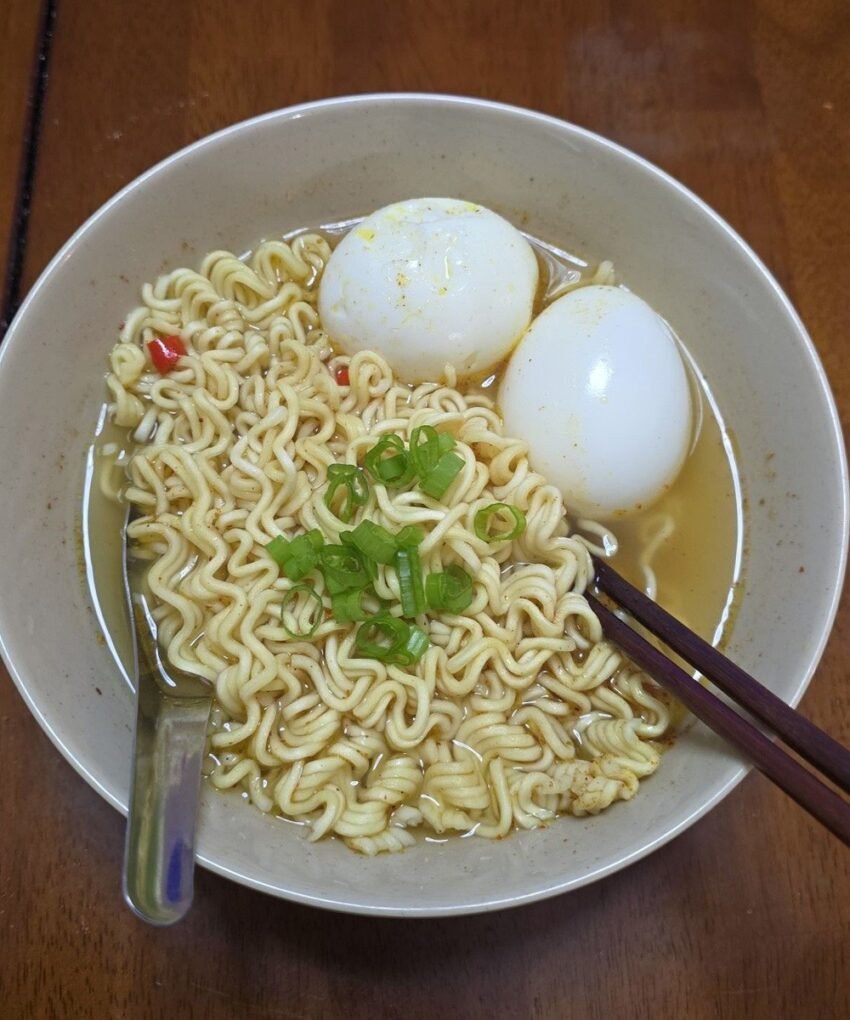
Is combining eggs with noodles healthy? Learn what doctors say about digestion, nutrition, weight, and energy when you eat this popular combo.
Eggs and noodles is one of those comfort food combinations that shows up everywhere—breakfast bowls, instant ramen upgrades, street food, and quick home meals.
But lately, you may have seen dramatic claims online like:
- “This combo is unhealthy!”
- “It spikes cholesterol dangerously!”
- “Doctors warn against it!”
So what’s actually true?
The reality is more balanced—and far less alarming. Doctors and nutrition experts don’t see eggs with noodles as inherently dangerous. Instead, the health impact depends on portion size, preparation method, and overall diet.
Let’s break down what really happens in your body when you eat eggs with noodles.
First: There Is Nothing “Dangerous” About This Combination
Eggs and noodles are both common, widely consumed foods:
- Eggs = protein, healthy fats, vitamins
- Noodles = carbohydrates for energy
Together, they create a basic protein + carb meal, which is a standard nutritional pairing in many cultures.
There is no medical evidence that this combination is harmful on its own.
What Doctors Actually Focus On
Health professionals are not concerned about the combination—they are concerned about:
- Type of noodles (refined vs whole grain)
- Cooking method (fried vs boiled)
- Frequency of consumption
- Portion size
- Added ingredients (oil, salt, sauces)
In other words, it’s not eggs + noodles that matter—it’s how you prepare and eat them.
1. Energy Boost: Why This Combo Feels So Satisfying
This meal works well for one simple reason: it provides balanced energy.
- Noodles = quick-digesting carbohydrates
- Eggs = protein that slows digestion
This combination helps:
- Reduce sudden hunger spikes
- Provide steady energy
- Keep you full longer
That’s why it’s a common breakfast or quick meal worldwide.
2. Protein Support for Muscle and Recovery
Eggs are one of the highest-quality protein sources available.
They contain:
- All essential amino acids
- Vitamins like B12 and D
- Healthy fats
When paired with noodles, the meal becomes more balanced than noodles alone.
This can support:
- Muscle repair
- Satiety
- Overall nutrient intake
3. The Real Concern: Refined Noodles
Doctors usually raise concerns about refined wheat noodles, not eggs.
Refined noodles:
- Digest quickly
- May spike blood sugar
- Contain less fiber
Over time, frequent consumption of refined carbs can contribute to:
- Weight gain
- Blood sugar imbalance
- Low satiety
Whole grain or vegetable-based noodles are better options when possible.
4. Cholesterol Myths About Eggs
One of the biggest misconceptions is that eggs are “bad for cholesterol.”
Modern research shows:
- Dietary cholesterol has limited impact on blood cholesterol for most people
- Saturated and trans fats matter more
So eating eggs with noodles does not automatically increase cholesterol risk in healthy individuals.
Health organizations like American Heart Association support moderate egg consumption as part of a balanced diet.
5. The Problem Isn’t the Eggs—It’s the Cooking Style
How you cook matters more than the ingredients themselves.
Healthier versions:
- Boiled noodles + boiled or poached eggs
- Light seasoning
- Minimal oil
Less healthy versions:
- Instant noodles with heavy seasoning packets
- Deep-fried noodles
- Excess butter or processed sauces
The difference in health impact can be significant.
6. Blood Sugar Response: What You Should Know
Noodles alone can cause a faster blood sugar rise.
Adding eggs helps:
- Slow digestion
- Reduce glycemic spike slightly
- Improve satiety
However, portion control is still important, especially for people with insulin resistance or diabetes.
7. Weight Management Perspective
This meal can fit into both weight gain and weight loss diets depending on:
- Portion size
- Cooking method
- Overall daily calorie intake
For weight loss:
- Use smaller noodle portions
- Add more vegetables
- Keep eggs boiled or poached
For energy-dense diets:
- Larger portions may be appropriate
Step-by-Step: How to Make Eggs and Noodles Healthier
Step 1: Choose Better Noodles
- Whole wheat noodles
- Rice noodles (moderate portion)
- Vegetable-based noodles
Step 2: Cook Eggs Smartly
- Boiled or poached instead of fried
- Avoid excessive oil
Step 3: Add Vegetables
- Spinach
- Carrots
- Peppers
Step 4: Limit Processed Seasoning
- Reduce instant noodle packets
- Use natural spices instead
Step 5: Control Portions
- Balance carbs with protein and fiber
Real-World Example
Two people eat eggs with noodles:
Person A:
- Instant noodles
- Fried eggs in oil
- High sodium seasoning
Result: feels heavy, hungry again quickly
Person B:
- Whole grain noodles
- Boiled eggs
- Vegetables added
Result: steady energy, better fullness
Same base ingredients—very different outcomes.
Comparison Table: Healthy vs Unhealthy Version
| Factor | Healthy Version | Less Healthy Version |
|---|---|---|
| Noodles | Whole grain/veg-based | Instant refined noodles |
| Eggs | Boiled/poached | Deep-fried |
| Oil usage | Minimal | High |
| Nutrition balance | High | Low |
| Satiety | Long-lasting | Short-lived |
Pros and Cons
Pros
- Easy and affordable meal
- Good protein + carb balance
- Quick to prepare
- Customizable
Cons
- Can become unhealthy with poor preparation
- Refined noodles may spike blood sugar
- High sodium in instant versions
Common Mistakes (And Fixes)
Mistake: Relying on instant noodles daily
Fix: Limit frequency and add real ingredients
Mistake: Over-frying eggs
Fix: Use boiling or poaching methods
Mistake: Ignoring vegetables
Fix: Add fiber for balance
Expert Insight
Nutrition experts emphasize that no single food combination is inherently harmful. What matters is dietary pattern consistency.
Public health guidance from institutions like World Health Organization consistently highlights balanced diets rich in whole foods, fiber, and lean proteins.
Trends (2026 Food Habits)
- Rise of “protein-boosted comfort foods”
- Healthier instant noodle alternatives
- High-protein breakfast bowls becoming popular
- More awareness of sodium reduction
Egg-based noodle dishes are being redesigned in healthier ways worldwide.
Future Outlook
Expect:
- Low-sodium noodle innovations
- Protein-enriched pasta alternatives
- Plant-based egg substitutes in noodle dishes
- Smarter portion-controlled ready meals
The trend is not elimination—but improvement.
FAQ Section
1. Is eating eggs with noodles unhealthy?
No, it depends on preparation and portion size.
2. Do eggs increase cholesterol when eaten with noodles?
Not significantly for most healthy people.
3. Can I eat this combo every day?
It’s better to vary your diet for balance.
4. Is instant noodles with egg healthy?
It can be improved, but instant noodles alone are low in nutrition.
5. Does this meal help with weight gain?
Yes, if eaten in larger portions with added fats.
6. Is it good for weight loss?
Yes, if portion-controlled and made with healthier ingredients.
7. Are boiled eggs better than fried?
Yes, they contain less added fat.
8. Can diabetics eat eggs with noodles?
Yes, but portion control and noodle type matter.
9. What is the healthiest version of this meal?
Whole grain noodles with boiled eggs and vegetables.
10. Is there any medical warning about this combo?
No specific warning exists for eggs and noodles together.
Action Checklist
Do:
- Choose whole grain or better noodles
- Add vegetables
- Cook eggs with minimal oil
- Control portions
Avoid:
- Eating instant noodles too often
- Overusing seasoning packets
- Deep-frying eggs regularly
Conclusion
Eggs with noodles is not a dangerous combination—it’s a flexible, widely used meal that can be healthy or unhealthy depending on how it’s prepared.
The real issue isn’t the food pairing—it’s the quality of ingredients and lifestyle balance.
Eggs and noodles can be part of a healthy diet when prepared wisely, but like most foods, moderation and balance make all the difference.
If this helped clear up the confusion, share it with someone who enjoys quick meals—and explore more everyday food myths that deserve a closer look.