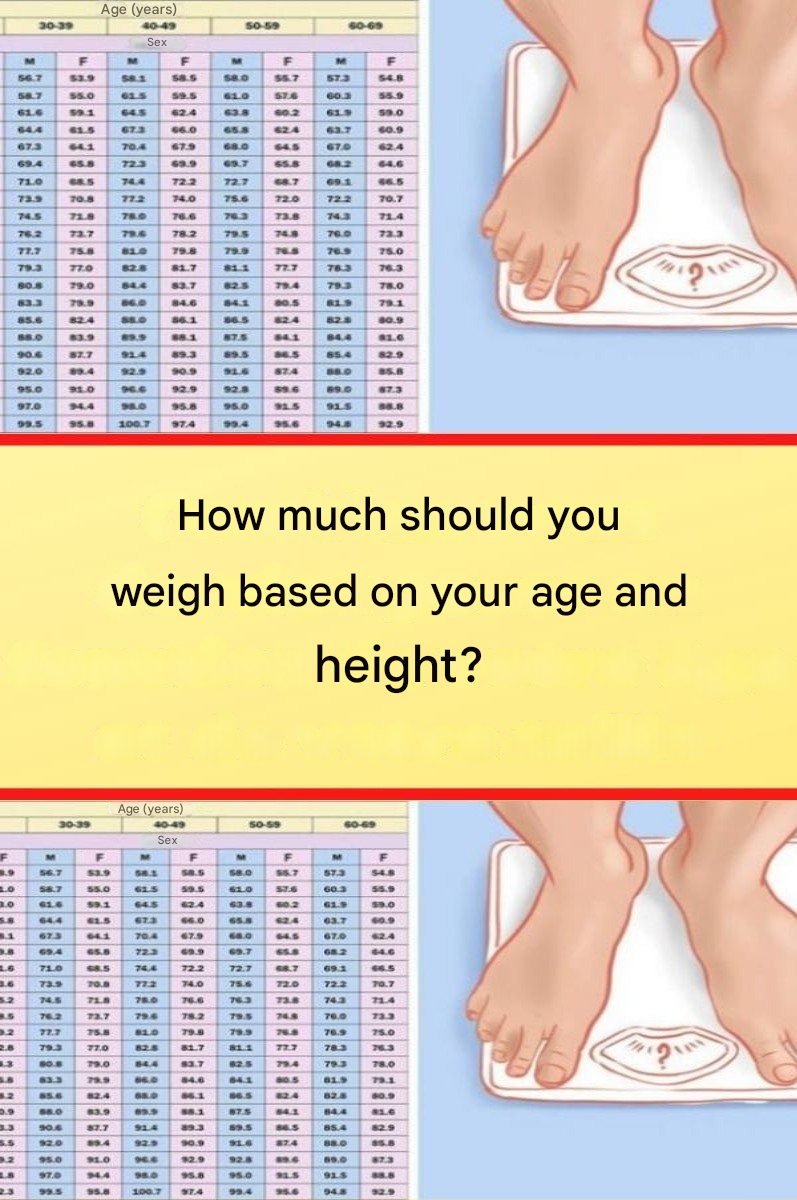
How Much Should You Weigh? The Smart, Science-Backed Guide by Age, Height & Real-Life Factors (2026 Edition)
Find your ideal weight based on age and height using real science, practical tools, and expert insights. A smarter, healthier approach for 2026.
You’ve probably searched this before—maybe after stepping on the scale, or noticing your clothes fit differently.
“How much should I weigh for my height and age?”
Seems simple, right? But the truth is… the answer isn’t just a number.
Because here’s what most charts don’t tell you:
Two people with the same height and age can have completely different “healthy” weights—and both be perfectly fine.
That’s where most advice falls short. It oversimplifies something that’s actually personal, biological, and surprisingly nuanced.
In this guide, you’ll learn:
- What your ideal weight really means (and what it doesn’t)
- How age and height actually influence healthy weight
- Why BMI isn’t the full story (but still useful)
- A practical way to calculate your own healthy range
- Real-world examples you can relate to
- Common mistakes that quietly derail progress
Let’s clear the confusion—and give you something far more useful than a generic chart.
What Does “Ideal Weight” Actually Mean?
“Ideal weight” isn’t about looking like a fitness model or hitting a magic number.
It’s about:
- Maintaining healthy body function
- Reducing risk of chronic diseases
- Supporting energy, mobility, and longevity
According to organizations like the CDC and Harvard Health, a “healthy weight” is best defined as a range, not a fixed number.
That range depends on:
- Height
- Age
- Muscle mass
- Body composition
- Gender
- Lifestyle
So instead of asking:
“What should I weigh exactly?”
A better question is:
“What weight range supports my health and lifestyle?”
That shift alone changes everything.
Why Weight Matters (Especially in the U.S.)
In the U.S., over 70% of adults are classified as overweight or obese (CDC data). That’s not just a cosmetic issue—it’s linked to:
- Heart disease
- Type 2 diabetes
- Joint problems
- Sleep apnea
- Certain cancers
But here’s the twist:
Being underweight also carries risks—like weakened immunity and bone loss.
So this isn’t about “losing weight.”
It’s about finding your healthy equilibrium.
The Core Formula: Height-Based Weight Ranges
Let’s start with the most widely used tool: Body Mass Index (BMI).
BMI Formula:
- BMI = weight (kg) ÷ height² (meters)
Or easier: use an online calculator.
Healthy BMI Range:
- 18.5 to 24.9
Here’s what that translates to in real-world terms:
Healthy Weight Range by Height (Adults)
| Height | Healthy Weight Range |
|---|---|
| 5’0” | 97 – 128 lbs |
| 5’4” | 110 – 145 lbs |
| 5’8” | 125 – 164 lbs |
| 6’0” | 140 – 183 lbs |
| 6’4” | 156 – 205 lbs |
But before you lock onto a number…
👉 BMI does not account for muscle vs fat.
A muscular athlete could be “overweight” on BMI—and still be in excellent health.
How Age Changes Your Ideal Weight
This is where most guides get it wrong.
Your ideal weight isn’t static—it evolves.
In Your 20s–30s
- Higher metabolism
- Easier muscle maintenance
- Wider flexibility in weight range
In Your 40s–50s
- Muscle mass starts declining
- Fat storage increases (especially around abdomen)
- Hormonal shifts affect weight
60+
- Lower bone density
- Risk of underweight increases
- Slightly higher BMI may actually be protective
According to research from Harvard, a BMI closer to 25–27 may be healthier for older adults than being at the low end.
Why Height Matters More Than You Think
Height determines:
- Frame size
- Bone density potential
- Muscle distribution
Two people weighing 160 lbs:
- At 5’5” → possibly overweight
- At 6’1” → likely normal
That’s why weight alone is meaningless without height.
Beyond BMI: The Metrics That Actually Matter
If you want a more accurate picture, look at:
1. Body Fat Percentage
- Men: 10–20% (healthy)
- Women: 18–28%
2. Waist Circumference
- Men: under 40 inches
- Women: under 35 inches
3. Waist-to-Height Ratio
- Ideal: less than 0.5
This one is surprisingly powerful—and often more predictive than BMI.
Step-by-Step: Find Your Healthy Weight Range
Here’s a simple method you can actually use today:
Step 1: Calculate BMI Range
Use your height to find weight range for BMI 18.5–24.9.
Step 2: Adjust for Body Type
- Athletic → upper range or slightly above
- Slim build → lower range
Step 3: Factor in Age
- Under 40 → mid-range target
- Over 50 → slightly higher acceptable
Step 4: Check Waist Measurement
This helps confirm if weight is healthy or fat-centered.
Step 5: Assess Lifestyle
Ask yourself:
- Do I feel energetic?
- Am I sleeping well?
- Can I move comfortably?
Those signals matter more than the scale.
Real-Life Scenarios
Scenario 1: The Office Professional
Sarah, 35, 5’6”
Weight: 150 lbs
BMI says she’s slightly above ideal.
But she strength-trains 4x/week.
👉 Result: Healthy. No change needed.
Scenario 2: The Sedentary Worker
Mike, 42, 5’10”
Weight: 190 lbs
BMI: Overweight
Waist: 42 inches
👉 Risk: Increased metabolic issues
👉 Action: Reduce fat, not necessarily weight alone
Scenario 3: The Older Adult
Linda, 68, 5’3”
Weight: 145 lbs
BMI slightly high—but she’s active.
👉 Result: Likely protective, not dangerous
Pros & Cons of Using Weight Charts
Pros
- Easy starting point
- Widely recognized
- Quick health screening
Cons
- Ignores muscle mass
- Doesn’t reflect fat distribution
- Can mislead athletic individuals
Common Mistakes (And How to Fix Them)
Mistake 1: Chasing a Single Number
Fix: Focus on a range, not perfection.
Mistake 2: Ignoring Body Composition
Fix: Measure waist and body fat.
Mistake 3: Comparing Yourself to Others
Fix: Your genetics matter more than someone else’s result.
Mistake 4: Extreme Dieting
Fix: Sustainable habits beat quick fixes every time.
Expert Insights Most People Miss
- Weight stability matters more than constant fluctuation
- Strength training improves health—even without weight loss
- Sleep quality directly impacts weight regulation
- Stress hormones (cortisol) can increase belly fat
These factors rarely show up in weight charts—but they change everything.
2026 Trends in Healthy Weight Tracking
- Wearables now track body composition, not just weight
- Smart scales estimate fat vs muscle changes
- Apps personalize weight ranges based on lifestyle data
The future is moving away from generic charts… toward personalized health.
Mini Case Story
A 29-year-old man in Texas spent years trying to hit 170 lbs because a chart told him to.
He finally got there—by crash dieting.
He felt tired, weak, and constantly hungry.
Later, working with a trainer, he rebuilt muscle and stabilized at 185 lbs.
Same height. Higher weight.
But dramatically healthier.
That’s the difference between chasing numbers… and understanding your body.
Frequently Asked Questions
1. Is BMI accurate for everyone?
No. It’s a useful guideline, but not accurate for athletes or very muscular individuals.
2. Should I weigh less as I age?
Not necessarily. Slightly higher weight can be protective in older adults.
3. What’s more important: weight or body fat?
Body fat percentage is often more meaningful than total weight.
4. How often should I check my weight?
Once a week is enough. Daily fluctuations can be misleading.
5. Can I be healthy while overweight?
Yes—especially if you have good metabolic health and fitness levels.
6. What’s the fastest way to reach ideal weight?
There’s no shortcut. Sustainable lifestyle changes work best.
7. Does muscle weigh more than fat?
Yes. Muscle is denser, so you may look leaner without losing weight.
8. What if I’m below the recommended range?
Focus on nutrition, strength training, and medical guidance if needed.
9. Is waist size really important?
Yes—it’s strongly linked to heart disease risk.
10. Should teens use the same charts?
No. Growth patterns differ. Pediatric guidelines are more appropriate.
Action Checklist
What to Do
✔ Calculate your BMI range
✔ Measure waist circumference
✔ Consider age and lifestyle
✔ Focus on strength and mobility
✔ Aim for consistency, not perfection
What to Avoid
✘ Obsessing over a single number
✘ Comparing yourself to others
✘ Ignoring body composition
✘ Crash dieting
✘ Relying only on BMI
Conclusion
The number on the scale? It’s just one piece of a much bigger puzzle.
Your ideal weight isn’t a fixed target—it’s a range shaped by your body, your age, and your lifestyle.
When you stop chasing exact numbers and start understanding your body, everything shifts:
- Better decisions
- Less frustration
- More sustainable results
A healthy weight is the one that supports your energy, strength, and long-term well-being—not just what a chart says.
If this helped you see things differently, share it with someone who’s still stuck chasing the wrong number—or come back and explore more guides that actually make sense.