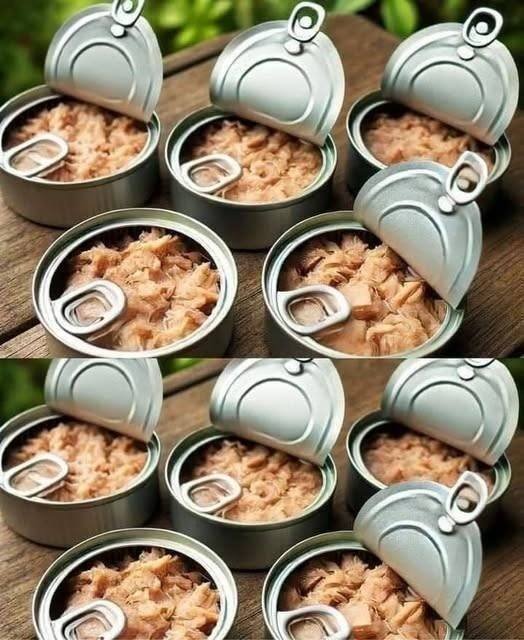
Don’t Throw Away Tuna Cans — They’re Worth Their Weight in Gold at Home: Here’s How to Recycle Them Smartly
Don’t toss empty tuna cans—discover creative, practical, and eco-friendly ways to reuse and recycle them at home for storage, DIY, and gardening.
Most people finish a can of tuna, rinse it quickly, and toss it straight into the trash without a second thought.
But what if that small metal container you’re throwing away could actually save you money, organize your home, and even help your garden grow?
It sounds dramatic—but it’s true.
Tuna cans are one of the most underrated household resources. They’re durable, heat-resistant, reusable, and incredibly versatile.
And once you start noticing their potential, you’ll never look at them the same way again.
Let’s turn “waste” into something genuinely useful.
Why Tuna Cans Are Surprisingly Valuable
Before we get into the ideas, it helps to understand why these small cans are so useful.
Tuna cans are typically made from:
- Tin-coated steel or aluminum
- Food-safe protective lining
- Heat-resistant metal
- Compact, uniform shape
That combination makes them:
✔ Strong
✔ Reusable
✔ Easy to clean
✔ Safe for DIY projects
✔ Perfect for storage and organization
In short: they’re built to last far longer than their first use.
Step 1: Clean Them Properly (Very Important)
Before reusing tuna cans, always prepare them safely.
How to clean them:
- Empty leftover tuna completely
- Wash with warm water and dish soap
- Remove oil residue thoroughly
- Dry completely to prevent rust
- Sand sharp edges lightly if needed
👉 Safety tip: Some cans have sharp rims—handle carefully or file them down.
Creative Ways to Reuse Tuna Cans at Home
Now comes the interesting part—turning simple cans into practical household tools.
1. Mini Storage Containers for Small Items
Tuna cans are perfect for organizing tiny clutter.
You can use them for:
- Paper clips
- Rubber bands
- Sewing needles and threads
- Buttons
- Coins
- Nails and screws
Place a few on your desk or workshop table, and suddenly everything feels more organized.
👉 Bonus idea: Paint them or wrap them in decorative paper for a cleaner look.
2. DIY Candle Holders
One of the most popular uses.
How it works:
- Clean can
- Add wax and wick
- Let it set
You get a rustic, minimalist candle holder perfect for:
- Bedrooms
- Outdoor evenings
- Emergency lighting
You can even add essential oils for fragrance.
3. Small Planters for Herbs
Tuna cans make excellent mini plant pots.
Perfect for:
- Basil
- Mint
- Coriander
- Small succulents
Why it works:
- Compact size
- Good drainage when holes are added
- Easy to move around
Just poke small holes at the bottom and add soil.
👉 Place them near a kitchen window for fresh herbs while cooking.
4. Desk Organizers
Instead of buying expensive organizers, use tuna cans to create a simple system.
Use them for:
- Pens and pencils
- Scissors
- Markers
- Makeup brushes
Arrange multiple cans in a tray for a clean, modular setup.
5. DIY Bird Feeders
A surprisingly fun outdoor project.
Steps:
- Clean can thoroughly
- Attach string or wire
- Fill with birdseed
- Hang on a tree or balcony
It helps birds while recycling waste creatively.
6. Bathroom Storage Hacks
Tuna cans work well in bathrooms too.
Use them for:
- Cotton swabs
- Hair ties
- Toothbrush holders
- Small toiletries
A quick way to reduce countertop clutter.
7. Kitchen Spice Holders
If you want a rustic kitchen setup:
- Label cans with spice names
- Fill with dry spices
- Arrange on a tray or shelf
It’s budget-friendly and surprisingly aesthetic.
8. Kids’ Craft Projects
This is where tuna cans become fun tools.
Children can use them for:
- Painting projects
- Pen holders
- DIY instruments (drums, shakers)
- Decorative crafts
Just make sure edges are safe and smoothed.
9. Emergency Tea Light Holders
During power outages or outdoor nights:
- Place a tea light inside a cleaned can
- It becomes a stable, wind-resistant light source
Simple but effective.
10. Workshop or Garage Storage
For tools and hardware:
- Screws
- Nails
- Washers
- Drill bits
Label each can for quick access.
It keeps everything visible and organized.
Comparison: Throwing Away vs Reusing
| Option | Result |
|---|---|
| Throwing away | Waste + landfill buildup |
| Recycling creatively | Free storage + organization |
| DIY reuse | Cost savings + sustainability |
Small change, big impact over time.
Common Mistakes to Avoid
Leaving sharp edges
→ Always smooth or tape edges for safety.
Not cleaning properly
→ Oil residue can attract pests.
Overloading cans
→ They’re small—use them for light storage only.
Ignoring rust prevention
→ Dry thoroughly before reuse.
Why This Matters More Than You Think
Most households underestimate how much small waste adds up.
Reusing items like tuna cans:
- Reduces household waste
- Saves money on storage solutions
- Encourages creativity
- Supports eco-friendly living habits
It’s not just DIY—it’s mindful consumption.
Simple Start Checklist
If you want to begin today:
✔ Save your next empty tuna can
✔ Clean and dry it properly
✔ Choose one simple use (storage or planter)
✔ Expand from there gradually
Start small. Build habits over time.
FAQ
1. Are tuna cans safe to reuse?
Yes, if cleaned properly and edges are handled safely.
2. Can they rust over time?
Yes, if exposed to moisture—but proper drying prevents this.
3. Can I paint tuna cans?
Absolutely—use non-toxic acrylic paint for decoration.
4. Are they safe for plants?
Yes, with drainage holes added.
5. Can I use them for food storage again?
Not recommended unless properly sterilized and relined.
6. Do they work for outdoor use?
Yes, but protect from rain to prevent rust.
7. Can kids safely use them?
Yes, with adult supervision and smoothed edges.
8. How long do they last?
Several months to years depending on use.
9. Do I need special tools to reuse them?
No, basic household items are enough.
10. Is recycling better than reusing?
Both are good—but reusing first is even more sustainable.
Conclusion
What looks like a simple tuna can is actually a surprisingly versatile tool hiding in plain sight.
Instead of throwing it away, you can turn it into something useful, creative, and even beautiful.
Small changes like this may seem minor—but they add up to a more organized home and a less wasteful lifestyle.
Before you throw it away, pause for a second—because that “trash” might already be your next storage solution, plant pot, or DIY project.
If this inspired you, start saving your next can—and see what you can turn it into.