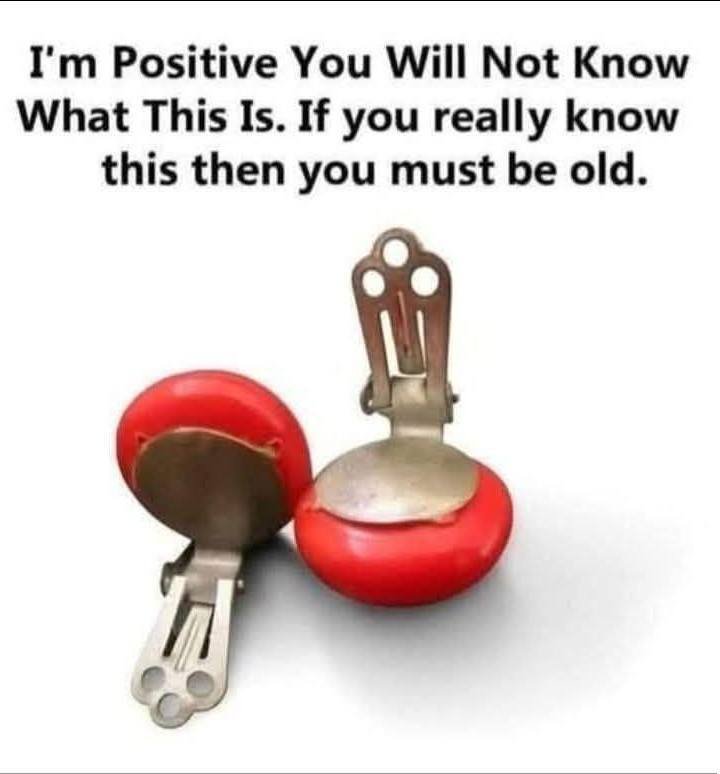
The Forgotten Utility: Vintage Button Hook and Shoe Fastener — A Clever Tool From a Slower Time
Discover the history and use of the vintage button hook and shoe fastener—a forgotten tool that once made dressing shoes effortless before modern zippers.
If you stumbled across one today, you might not even know what you’re looking at.
A slim metal rod. A curved hook. Sometimes a wooden handle polished by decades of use.
It looks like an antique sewing tool… or maybe a strange piece of medical equipment.
But once upon a time, this small object had a very practical job:
It helped people get dressed.
Specifically, it helped them button shoes and boots—long before zippers, elastic, or slip-ons became common.
This is the story of the vintage button hook and shoe fastener, a forgotten tool from an era when even getting dressed required a bit of skill.
What Exactly Is a Button Hook?
A button hook is a simple handheld tool designed to help pull buttons through tight buttonholes.
It usually consists of:
- A thin metal hook at the end
- A handle made of wood, bone, or early plastic
- A narrow, precise shape for small openings
Its main job was to make fastening clothing and shoes easier—especially in the late 19th and early 20th centuries.
Why Shoes Needed Button Hooks in the First Place
Today, we take shoes for granted.
We slip them on, zip them up, or tie them quickly.
But historically, footwear was very different.
Many boots and shoes featured:
- Rows of small buttons instead of laces or zippers
- Tight-fitting designs for support and style
- Stiff materials like leather that didn’t stretch
Without assistance, fastening them could take several minutes—and strong fingers.
That’s where the button hook came in.
How the Shoe Fastener Worked
Using a button hook was surprisingly simple:
- Insert the hook through the buttonhole
- Catch the button loop or button itself
- Pull gently until the button slips through
- Repeat for each fastening point
For long boots, this process could involve 10–20 buttons per shoe.
Without the tool, dressing was slow and sometimes frustrating.
With it, the process became smooth and efficient.
Who Used Button Hooks the Most?
Button hooks weren’t just household items—they were essential tools for:
1. Victorian and Edwardian women
Fashionable boots often had rows of decorative buttons.
2. Elderly individuals
Reduced hand strength made buttoning difficult.
3. Upper-class households
Dressing assistants used them as part of daily routines.
4. Children
Parents used them to help kids get ready faster.
The Design Beauty of a Simple Tool
What makes vintage button hooks interesting today is their craftsmanship.
Many were:
- Hand-carved
- Decorated with floral patterns
- Made from brass, silver, or ivory (in older models)
- Designed to feel elegant, not purely functional
Even a basic dressing tool was once treated with aesthetic care.
Why They Disappeared
Like many practical tools, button hooks faded away because of innovation.
The main reasons:
- Zippers became widely available
- Elastic materials improved shoe design
- Slip-on shoes became popular
- Buttons on footwear gradually disappeared
By the mid-20th century, the need for button hooks had largely vanished.
What was once essential became obsolete almost overnight.
Are Button Hooks Still Used Today?
Rarely—but not completely gone.
They still appear in:
- Vintage fashion restoration
- Historical reenactments
- Antique collections
- Adaptive dressing tools for limited mobility
In some cases, they’re still helpful for people with arthritis or reduced dexterity.
Why People Collect Them Today
Vintage button hooks have become small collector’s items.
People value them for:
1. Historical charm
They represent a completely different way of living.
2. Craftsmanship
Many were beautifully made despite their simple function.
3. Nostalgia
They connect people to family history or older generations.
4. Curiosity
Modern users are fascinated by how much effort daily life once required.
A Glimpse Into Everyday Life in the Past
Imagine getting ready in the morning 120 years ago.
No zippers. No stretchy fabrics. No slip-on shoes.
Just:
- Corsets or structured clothing
- High-button boots
- Layers that required patience
A simple task like getting dressed could take 20–30 minutes.
The button hook wasn’t just a tool—it was part of a daily survival system.
Modern Equivalent Tools
While button hooks are mostly obsolete, similar ideas still exist:
- Shoe horns (for sliding into shoes)
- Zipper pulls for accessibility
- Adaptive dressing aids in healthcare
- Elastic shoe laces
The goal is the same: make dressing easier, faster, and more independent.
Common Misunderstandings
“It’s a medical tool”
Not originally. It was a household fashion accessory.
“It was only for rich people”
Not true—many middle-class households used them too.
“It’s useless today”
Mostly yes, but still useful in niche situations.
Why It Still Matters Today
The button hook might be obsolete, but it tells a bigger story.
It reflects:
- How daily life evolves with technology
- How small tools solve real human problems
- How convenience reshapes culture
Something so simple once made a real difference in people’s mornings.
FAQ
1. What is a button hook used for?
It was used to help fasten buttons, especially on shoes and boots.
2. When was it popular?
Mainly during the late 1800s and early 1900s.
3. Why did shoes have buttons instead of zippers?
Zippers were not yet widely available or durable at the time.
4. Are button hooks valuable today?
Some antique versions can have collectible value.
5. Can you still buy them?
Yes, especially as vintage tools or adaptive dressing aids.
6. Were they hard to use?
Not at all—they were designed to make dressing easier.
7. What materials were they made from?
Metal, wood, bone, or early plastics.
8. Why did they disappear?
Because zippers and modern shoe designs replaced them.
9. Are they used in fashion today?
Only in vintage restoration or historical styling.
10. Can they still be useful?
Yes, especially for people with limited hand mobility.
Conclusion
The vintage button hook and shoe fastener may seem like a small, forgotten object—but it once played a big role in everyday life.
It represents a time when even simple routines required patience, tools, and a bit of ingenuity.
Today, it survives mostly as a curiosity—but also as a reminder of how far convenience has come.
The button hook isn’t just an antique—it’s a snapshot of a world where getting dressed was a carefully assisted process, not a quick step into sneakers.
If you enjoyed this look into forgotten tools, there’s a whole world of everyday history still waiting to be rediscovered.