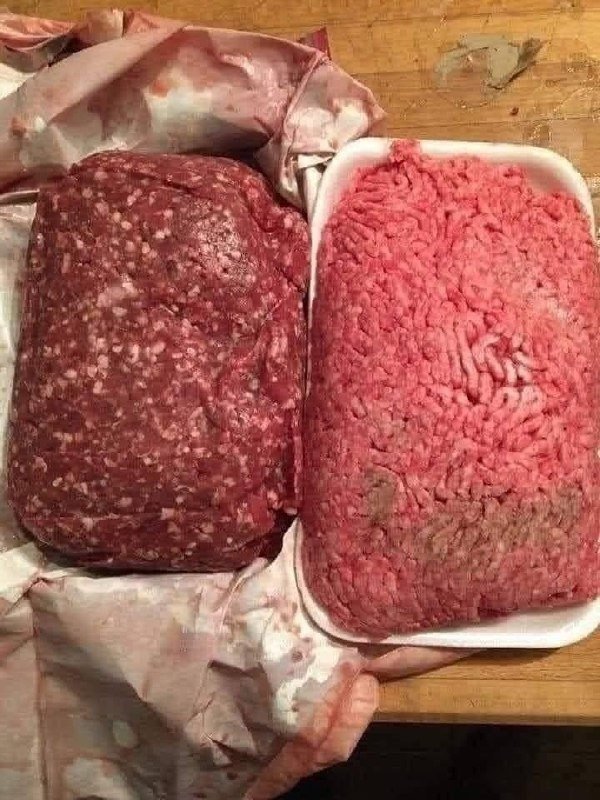
Don’t Get Fooled by Supermarkets: What You’re Really Being Sold in Your Meat Aisle (And How to Shop Smarter)
Learn how supermarket meat is sourced, labeled, and marketed, plus practical tips to identify quality meat and avoid misleading packaging tricks.
That “fresh” meat in the supermarket might not be what you think
You walk into a grocery store, head straight to the meat aisle, and see neatly wrapped chicken, beef, and lamb sitting under bright lights.
Everything looks clean. Organized. Trustworthy.
But here’s a question most shoppers never stop to ask:
Do you actually know where that meat came from—or how long it’s been sitting there?
The uncomfortable truth is that supermarket meat labeling and marketing can sometimes be more about perception than transparency.
And once you understand how it works, you start seeing the system differently.
Why This Matters More Than Ever
In the United States, most people buy meat from large retail chains.
That means your choices are shaped by:
- Supply chains you don’t see
- Packaging designed to influence perception
- Labels that sound meaningful—but aren’t always strict
According to consumer education groups and food safety standards overseen by agencies like the US Department of Agriculture, meat is regulated—but labeling still leaves room for marketing language that can confuse shoppers.
This isn’t about paranoia.
It’s about awareness.
Because once you understand how meat is processed and labeled, you can make better decisions for your health, your budget, and your expectations.
The Supermarket Meat System Explained Simply
Let’s break it down without the jargon.
Step 1: Industrial Farming
Most supermarket meat comes from large-scale operations.
Animals are raised in high-volume systems designed for efficiency, not necessarily flavor or texture.
Step 2: Processing Plants
After slaughter, meat is:
- Cut
- Packaged
- Chilled or frozen
- Distributed nationally
By the time it reaches your store, it may already be days or weeks old.
Step 3: Retail Display
Supermarkets then:
- Repackage or tray-wrap meat
- Add labels like “fresh,” “premium,” or “farm raised”
- Display under bright lighting for appeal
And this is where perception starts to matter as much as reality.
The Labels That Can Mislead Shoppers
Not all labels mean what people think they mean.
Here are the most common ones:
“Fresh Meat”
Sounds simple, right?
But “fresh” in retail terms often just means:
- Not previously frozen
It does not necessarily mean recently butchered.
“Natural”
This is one of the most misunderstood labels.
It typically means:
- No artificial ingredients added after processing
But it says nothing about:
- Farming conditions
- Animal diet
- Antibiotic use
“Farm Raised”
This can sound like small-scale farming.
But in reality, it may still refer to large industrial farms.
“Hormone-Free” (Beef Label)
In the U.S., federal regulations already restrict hormone use in pork and poultry.
So this label is often more about marketing than distinction.
The Color Trick: Why Meat Looks “Fresh”
Ever noticed how meat in stores looks perfectly red?
That’s not always natural freshness.
Meat color is influenced by:
- Oxygen exposure
- Packaging methods
- Controlled gas environments
These techniques help maintain visual appeal—but they don’t always reflect true age or quality.
What “Sell-By” and “Use-By” Dates Really Mean
These dates are often misunderstood.
- Sell-by date: for store inventory rotation
- Use-by date: recommended peak quality
Neither is a strict safety cutoff in many cases.
That means meat could still be edible after these dates—if stored properly.
Where Things Get Complicated: Imported vs Local Meat
Supermarkets often source meat globally depending on:
- Cost
- Demand
- Seasonality
So “local” isn’t always guaranteed unless explicitly certified.
How to Shop for Better Meat (Without Guesswork)
Here’s where things become practical.
You don’t need to avoid supermarkets.
You just need to shop smarter.
Step-by-Step Guide to Choosing Better Meat
Step 1: Read Beyond the Front Label
Ignore marketing words first.
Look for:
- Country of origin
- Processing date
- Ingredient list (for processed meats)
Step 2: Choose Cuts, Not Claims
Prefer simple cuts like:
- Whole chicken
- Unprocessed beef cuts
- Fresh lamb portions
Less processing = more transparency.
Step 3: Ask Questions at the Counter
Don’t hesitate to ask:
- Where is this meat sourced from?
- When was it packaged?
- Was it previously frozen?
Butcher counters often provide more clarity than pre-packaged sections.
Step 4: Understand Packaging Types
- Vacuum-sealed: longer shelf life
- Tray-wrapped: shorter freshness window
- Frozen: often preserved at peak time
Step 5: Buy Smaller Quantities More Often
This reduces:
- Waste
- Storage uncertainty
- Long refrigeration periods
Real-World Example: What Most Shoppers Don’t Notice
A shopper buys chicken labeled “fresh farm raised.”
It looks perfect.
But:
- It was processed 5 days ago
- It was shipped frozen
- It was thawed before display
Nothing illegal. Nothing unsafe.
But also not what most people imagine when they hear “fresh.”
That gap between perception and reality is where confusion happens.
Pros and Cons of Supermarket Meat Systems
| Pros | Cons |
|---|---|
| Affordable pricing | Limited transparency |
| Wide availability | Marketing-heavy labeling |
| Strict food safety regulations | Variable freshness perception |
| Convenience | Long supply chains |
Common Mistakes Shoppers Make
Mistake #1: Trusting Front Labels Only
Fix: Always check fine print
Mistake #2: Assuming “Natural” Means Organic
Fix: Look for certified organic labels if that matters to you
Mistake #3: Ignoring Packaging Dates
Fix: Compare packaging vs sell-by dates
Mistake #4: Overbuying Meat
Fix: Buy what you can realistically use within 1–2 days
What Experts Say About Meat Transparency
Food safety researchers and nutrition experts consistently emphasize:
- Reading labels critically
- Understanding processing methods
- Knowing sourcing chains
Organizations like the Food and Drug Administration regulate labeling standards, but consumer interpretation still plays a huge role in decision-making.
2026 Trends: Where Meat Shopping Is Heading
The meat industry is shifting toward:
- Greater traceability (farm-to-table tracking)
- QR code labeling for sourcing info
- Increased demand for minimally processed meats
- Growth of local butcher shops and direct farms
Consumers are asking more questions—and the industry is slowly responding.
Mini Scenario: The Informed Shopper
Two people buy the same looking steak.
One checks only price and label.
The other checks:
- Origin
- Processing date
- Packaging type
They choose differently.
Not because one is “right,” but because one understands more of the system behind the product.
Frequently Asked Questions
1. Is supermarket meat safe to eat?
Yes, regulated meat is generally safe when properly stored and cooked.
2. Why does supermarket meat look so red?
Controlled packaging gases help maintain color appearance.
3. Is “fresh” meat really fresh?
Not always—it often refers to non-frozen status, not slaughter date.
4. Are organic meats better?
They follow stricter farming standards but still vary in quality.
5. How can I tell good quality meat?
Check sourcing, freshness dates, and minimal processing.
6. Is frozen meat worse than fresh?
Not necessarily—frozen meat can preserve quality effectively.
7. Do supermarkets sell expired meat?
No, but near-expiry items are often discounted.
8. What’s the best place to buy meat?
Local butchers or trusted suppliers often provide more transparency.
9. Are labels reliable?
They are regulated but can still be confusing in interpretation.
10. Should I stop buying supermarket meat?
Not at all—just learn how to evaluate it properly.
Action Checklist: Shop Smarter for Meat
✅ Do This
- Read full labels, not just front packaging
- Check origin and processing dates
- Ask questions when possible
- Buy smaller quantities
- Prefer minimally processed cuts
❌ Avoid This
- Don’t rely on marketing terms alone
- Don’t ignore packaging dates
- Don’t assume “natural” equals higher quality
- Don’t overstock meat unnecessarily
Conclusion: It’s Not About Fear—It’s About Awareness
Supermarkets aren’t necessarily “hiding” anything illegal.
But they are operating in a system where marketing and perception matter just as much as sourcing transparency.
Once you understand that, you stop shopping blindly.
You start shopping intentionally.
The goal isn’t to avoid supermarket meat—it’s to understand it well enough that you’re no longer influenced by packaging tricks or vague labels.
If this changed the way you think about food shopping, share it with someone who buys groceries every week—and explore more guides that help you make smarter everyday choices.