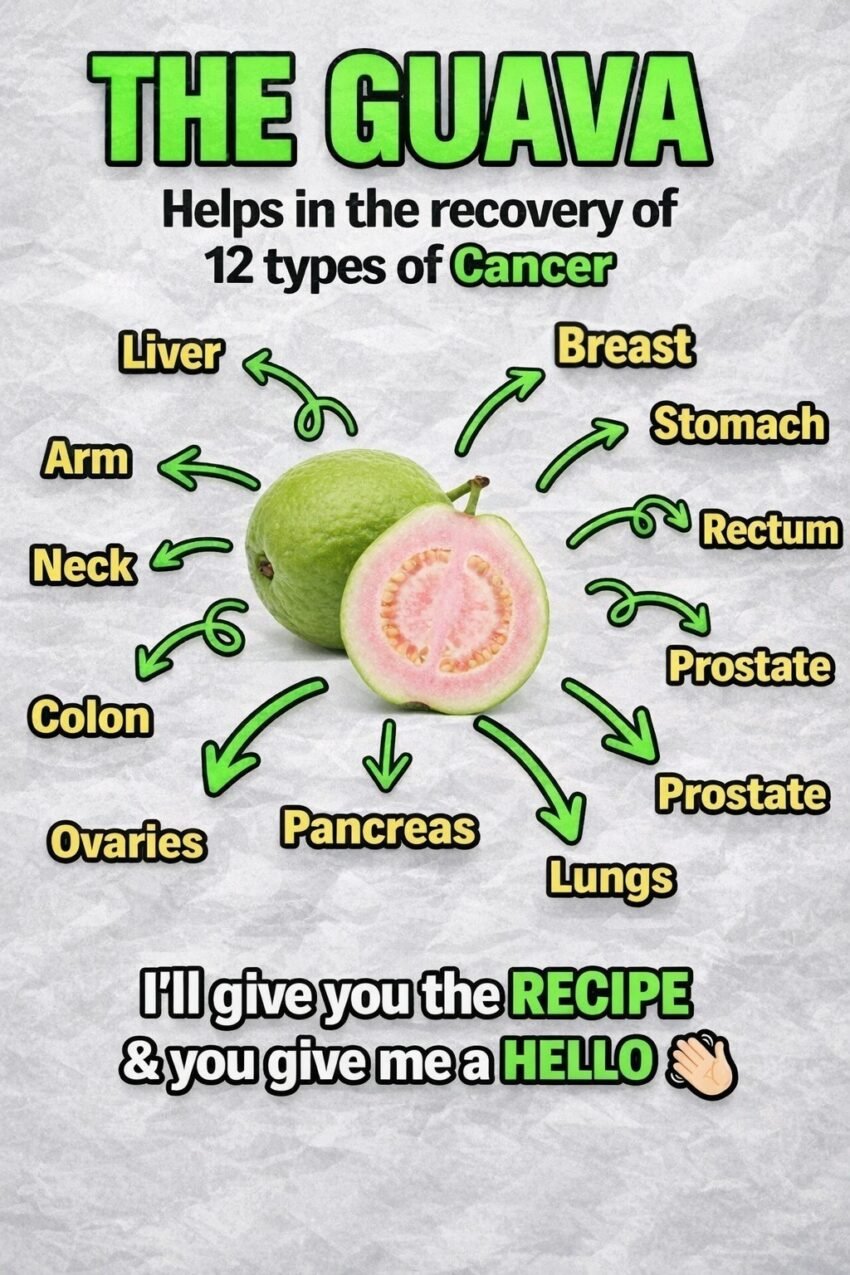
🔥 Guava Leaves Are Called “Miraculous” — But What Do They Actually Do? A Science-Backed Deep Dive
Guava leaves are praised as “miraculous,” but what does science really say? Discover their real benefits, risks, and how to use them safely.
Scroll through social media or talk to traditional herbal practitioners, and you’ll eventually hear it:
“Guava leaves are the most miraculous leaves on earth.”
They’re said to cure everything from diabetes to stomach problems, infections, even weight gain. Some people boil them into tea daily like it’s a universal health reset button.
That kind of reputation naturally raises curiosity—and skepticism.
Because if one leaf could truly do all that, modern medicine would look very different.
So what’s real, what’s exaggerated, and where does the truth actually sit in between?
Let’s break it down clearly, without hype or dismissal.
What Are Guava Leaves?
Guava leaves come from the guava tree, scientifically known as Psidium guajava. The tree is native to Central and South America but is now widely grown in tropical and subtropical regions, including South Asia, Africa, and parts of the U.S.
The leaves have been used in traditional medicine systems like Ayurveda and folk herbal practices for centuries.
They are typically consumed as:
- Herbal tea
- Boiled extract
- Powder supplements
- Topical applications
But traditional use doesn’t automatically equal proven effectiveness—so we need to look deeper.
Why Guava Leaves Became “Miracle” Material
The “miracle” reputation didn’t come from nowhere.
Guava leaves contain natural compounds such as:
- Flavonoids
- Tannins
- Polyphenols
- Essential oils
These compounds have biological activity, meaning they interact with the body in measurable ways.
That’s where many of the health claims originate.
But here’s the key distinction:
👉 Biological activity ≠ cure-all power
Science-Backed Benefits (What Research Suggests)
Let’s separate evidence from exaggeration.
🩸 Blood Sugar Support (Diabetes Management)
Some studies suggest guava leaf extract may help reduce post-meal blood sugar spikes.
Research published in journals indexed by medical databases shows:
- Slower carbohydrate absorption
- Mild improvement in insulin response
This is why guava leaf tea is sometimes discussed in relation to Type 2 diabetes.
However, organizations like the American Diabetes Association make it clear:
Natural supplements should never replace prescribed diabetes treatment.
🦠 Antibacterial Properties
Guava leaves have shown antibacterial effects in laboratory studies against certain bacteria.
This may help explain their traditional use for:
- Mouth infections
- Minor wounds
- Digestive discomfort
But lab results don’t always translate directly to human treatment outcomes.
🤢 Digestive Health Support
In folk medicine, guava leaf tea is often used for:
- Diarrhea relief
- Bloating reduction
- Gut inflammation
Tannins in the leaves may have a mild tightening effect on intestinal tissues, which could reduce diarrhea symptoms.
🧴 Skin and Oral Health
Some topical applications suggest benefits for:
- Acne
- Gum inflammation
- Minor skin irritations
Again, these are supportive effects—not cures.
Where the “Miracle” Claim Becomes Misleading
Now let’s address the exaggeration directly.
Guava leaves are NOT proven to:
- Cure diabetes
- Treat cancer
- Reverse chronic diseases
- Replace medical treatments
- Provide complete immunity protection
There is no credible clinical evidence supporting those claims.
When something is labeled “miraculous,” it often blurs the line between supportive herbal use and medical treatment replacement.
That distinction is critical.
Real-Life Scenario: What Actually Happens
A man in Texas starts drinking guava leaf tea daily after hearing it can “control sugar naturally.”
At first:
- He feels lighter digestion
- Slight energy improvement
- A sense of control over his health
Encouraged, he reduces his medication without consulting a doctor.
Months later, his blood sugar becomes unstable.
The issue wasn’t guava leaves.
It was replacing medical treatment with an unverified solution.
How to Use Guava Leaves Safely
If you want to include them in your routine, here’s a balanced approach.
Step 1: Prepare Simple Tea
- Wash fresh guava leaves
- Boil in water for 10–15 minutes
- Strain and drink warm
Step 2: Use in Moderation
1–2 cups per day is typically considered reasonable in traditional use.
Step 3: Do Not Replace Medication
Especially for:
- Diabetes
- Infections
- Chronic illnesses
Step 4: Monitor Your Body
Watch for:
- Blood sugar changes
- Digestive response
- Allergic reactions
Comparison Table: Claims vs Reality
| Claim | Scientific Reality |
|---|---|
| Cures diabetes | May support blood sugar control |
| Treats infections fully | Has mild antibacterial properties |
| Heals chronic diseases | No clinical proof |
| Works instantly | Effects are gradual and mild |
| Safe for unlimited use | Excess may cause digestive discomfort |
Pros & Cons
✅ Pros
- Rich in antioxidants
- May support digestion
- May help mild blood sugar regulation
- Widely available and affordable
❌ Cons
- Overhyped online claims
- Not a medical treatment
- Limited human clinical evidence
- Risk of misuse or overreliance
Common Mistakes People Make
Mistake #1: Calling It a Cure-All
Fix: Understand it as a supportive herbal remedy.
Mistake #2: Stopping Medication
Fix: Always consult a healthcare provider first.
Mistake #3: Overconsumption
Fix: Stick to moderate intake.
Mistake #4: Trusting Viral Claims
Fix: Verify with credible medical sources.
Expert Insight: Why It “Feels” Powerful
Herbal remedies like guava leaves often create noticeable short-term effects:
- Improved hydration (from tea consumption)
- Better digestion habits
- Reduced sugar intake (if replacing sugary drinks)
These lifestyle changes—not just the leaf itself—drive perceived benefits.
That’s why people often attribute broad healing powers to it.
2026 Wellness Trend: The Herbal Re-Evaluation
We’re seeing a shift in global health thinking:
- Traditional herbs are being studied more seriously
- But claims are being filtered through clinical research
- Integrative medicine is becoming more structured
Institutions like the World Health Organization continue to emphasize evidence-based use of herbal medicine alongside modern care.
❓ Frequently Asked Questions
1. Are guava leaves really medicinal?
Yes, they have bioactive compounds, but effects are generally supportive, not curative.
2. Can guava leaves cure diabetes?
No. They may help manage blood sugar but cannot cure diabetes.
3. Is guava leaf tea safe daily?
In moderate amounts, generally yes—but consult a doctor if you have health conditions.
4. Do guava leaves help with weight loss?
Not directly. Any effect is likely due to improved digestion or reduced sugar intake.
5. Can guava leaves treat infections?
They may have mild antibacterial properties but are not a substitute for antibiotics.
6. Are there side effects?
Overuse may cause digestive discomfort or interact with medications.
7. Can pregnant women use guava leaves?
Medical guidance is recommended before use during pregnancy.
8. How long does it take to see effects?
If any, effects are usually gradual and subtle.
9. What is the best way to consume them?
Most commonly as a mild tea.
10. Should I trust online “miracle cure” claims?
Always verify with credible medical sources before believing such claims.
🧾 Action Checklist
✅ What To Do
- Use guava leaves as a supplement, not a cure
- Maintain balanced diet and lifestyle
- Consult healthcare professionals
- Stay consistent but moderate
- Verify health claims before trusting them
❌ What To Avoid
- Calling it a miracle cure
- Replacing medical treatment
- Overconsuming herbal remedies
- Following viral health claims blindly
- Ignoring scientific evidence
🏁 Conclusion
Guava leaves are not magic—but they are not useless either.
They sit in an important middle space: traditional herbal support with real but limited scientific backing.
Used wisely, they can be part of a healthy lifestyle.
Used carelessly, they can create false confidence in treating serious conditions.
Guava leaves are a helpful natural remedy for general wellness—not a miracle cure for diseases.
If this helped clarify the truth behind the hype, share it with someone exploring natural remedies—and help promote safer, smarter health choices.