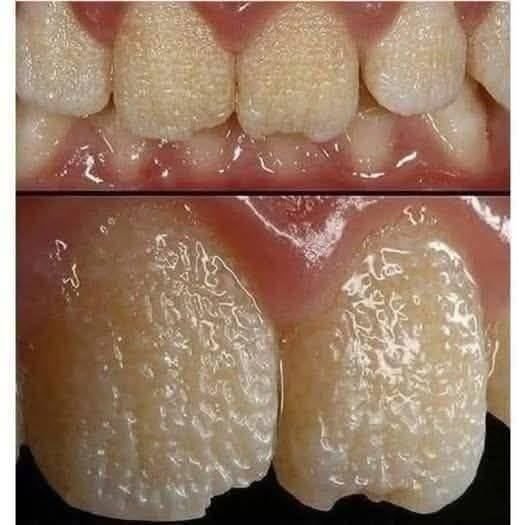
Discover how diet affects your teeth, what foods quietly damage enamel, warning signs of decay, and simple habits to keep your smile strong and healthy.
That moment when you look in the mirror and something feels… off
It usually doesn’t happen overnight.
You’re brushing like normal. Eating like usual. Nothing seems wrong.
Then one day, you notice it:
- A dull yellow shade
- A sensitive tooth when drinking cold water
- A small dark spot that wasn’t there before
And suddenly you wonder:
“How did my teeth get like this?”
The uncomfortable truth is that tooth damage rarely feels dramatic in the beginning. It builds slowly—through everyday habits, especially what we eat and drink.
This is not about fear. It’s about understanding what actually happens inside your mouth so you can stop problems before they start.
Why Your Teeth Are More Vulnerable Than You Think
Your teeth might feel solid—and they are—but they’re not indestructible.
The outer layer, called enamel, is the hardest substance in the human body. But it has one weakness:
It cannot regenerate once damaged.
That means every sip of soda, every sugary snack, every acidic drink leaves a small impact.
Over time, those small impacts add up.
Dentists and public health agencies like the American Dental Association consistently emphasize that most tooth decay is preventable—but only if people understand how it starts.
What Actually Damages Your Teeth Over Time?
Let’s break it down simply.
Your teeth are affected by three main forces:
1. Sugar (Fuel for Bacteria)
Sugar feeds bacteria in your mouth.
Those bacteria produce acid.
Acid attacks enamel.
2. Acidic Foods and Drinks (Direct Erosion)
Even without sugar, acid alone can wear down enamel.
3. Poor Oral Hygiene (Long-Term Build-Up)
Plaque hardens into tartar if not removed.
That leads to:
- Cavities
- Gum disease
- Discoloration
Foods and Drinks That Quietly Harm Your Teeth
You don’t need to eliminate everything—but awareness matters.
1. Sugary Soft Drinks
Soda is one of the most damaging everyday drinks.
Why:
- High sugar content
- High acidity
- Constant exposure if sipped slowly
Even diet sodas are acidic enough to weaken enamel.
2. Sticky Candies
Think:
- Gummies
- Caramel
- Chewy sweets
Problem:
They cling to teeth longer, feeding bacteria over time.
3. Citrus Fruits (Yes, Even Healthy Ones)
Oranges, lemons, and grapefruits are healthy—but acidic.
Risk:
Frequent exposure can slowly erode enamel.
4. Energy Drinks
These are especially harsh.
They combine:
- Sugar
- Acid
- High frequency consumption
5. White Bread and Refined Carbs
This surprises people.
But refined carbs break down into sugar quickly in your mouth.
6. Alcohol
Alcohol reduces saliva production.
Less saliva = less natural cleaning of teeth.
7. Ice Chewing
It seems harmless—but it can:
- Crack enamel
- Stress fillings
- Damage molars
8. Constant Snacking
It’s not just what you eat—it’s how often.
Frequent eating keeps acid levels high all day.
What Damaged Teeth Can Actually Look Like
Tooth damage doesn’t always start with pain.
Here’s what to watch for:
Early Signs
- Sensitivity to hot or cold
- Mild discoloration
- Occasional discomfort
Moderate Damage
- Visible yellowing
- Small cavities
- Gum irritation
Advanced Damage
- Dark spots
- Persistent pain
- Visible decay
- Chipped enamel
At this stage, dental treatment becomes necessary—not optional.
Why Timing Matters More Than People Realize
One of the biggest misconceptions is:
“I’ll fix it when it hurts.”
But tooth decay doesn’t wait for pain.
By the time pain appears, damage is often already advanced.
That’s why early prevention is everything.
Step-by-Step Guide to Protecting Your Teeth Daily
Simple habits matter more than expensive treatments.
Step 1: Brush the Right Way
- Twice a day
- At least 2 minutes
- Soft-bristled toothbrush
Avoid brushing immediately after acidic foods—wait about 30 minutes.
Step 2: Floss Daily
Flossing removes plaque where brushes can’t reach.
Step 3: Drink Water After Eating
Water helps neutralize acids and wash away sugar.
Step 4: Limit Snacking Frequency
Give your mouth time to recover between meals.
Step 5: Use Fluoride Toothpaste
Fluoride strengthens enamel and reduces decay risk.
Step 6: Regular Dental Checkups
Even if everything feels fine.
Prevention is always cheaper than treatment.
Common Mistakes That Quietly Destroy Teeth
Mistake #1: Brushing Too Hard
Fix: Gentle pressure protects enamel
Mistake #2: Brushing Immediately After Acidic Foods
Fix: Wait 30–60 minutes
Mistake #3: Constant Sugary Snacking
Fix: Eat sweets with meals instead of between them
Mistake #4: Ignoring Sensitivity
Fix: Sensitivity is an early warning sign, not normal
Pros and Cons of Common Dietary Habits
| Habit | Benefit | Risk |
|---|---|---|
| Fruit consumption | Vitamins, health | Acid erosion if excessive |
| Coffee | Energy boost | Staining, acidity |
| Soft drinks | Enjoyment | Enamel damage |
| Dairy products | Strengthens enamel | Low risk |
Expert Insight: Why Modern Diets Are Tough on Teeth
Modern diets often involve:
- Frequent snacking
- High sugar intake
- Processed foods
Unlike earlier generations, teeth now face constant acid exposure throughout the day, not just at meal times.
That’s a major shift in dental health challenges.
2026 Trends in Dental Health Awareness
Dental experts and organizations like the Centers for Disease Control and Prevention continue to highlight:
- Rising cavity rates in younger populations
- Increased awareness of enamel erosion
- Growing focus on preventive care over treatment
Technology is also improving:
- Better fluoride treatments
- Early detection tools
- Improved at-home dental care products
Mini Scenario: Two Different Outcomes
Two people eat the same diet for years.
Person A:
- Drinks soda daily
- Rarely flosses
- Skips dental checkups
Result: cavities, sensitivity, costly treatments.
Person B:
- Drinks water after meals
- Brushes and flosses regularly
- Visits dentist yearly
Result: strong enamel, minimal issues.
Same environment. Different habits. Very different outcomes.
Frequently Asked Questions
1. Can damaged enamel grow back?
No, enamel does not regenerate once lost.
2. Are sugar-free drinks safe for teeth?
They are better than sugary drinks but still acidic.
3. How often should I visit the dentist?
At least twice a year for most people.
4. Why do my teeth feel sensitive suddenly?
It could be early enamel erosion or gum recession.
5. Is fruit bad for teeth?
No, but frequent acidic exposure can cause erosion.
6. What is the biggest cause of cavities?
Sugar combined with bacteria in plaque.
7. Does whitening damage teeth?
Overuse of whitening products can increase sensitivity.
8. Can brushing fix yellow teeth?
Not always—stains inside enamel may require treatment.
9. Are electric toothbrushes better?
They can improve plaque removal when used correctly.
10. What’s the easiest way to protect teeth daily?
Limit sugar exposure and maintain consistent oral hygiene.
Action Checklist: Keep Your Teeth Healthy
✅ Do This
- Brush twice daily with fluoride toothpaste
- Floss every day
- Drink water after meals
- Eat sugary foods in moderation
- Visit the dentist regularly
❌ Avoid This
- Don’t sip sugary drinks all day
- Don’t ignore sensitivity
- Don’t brush immediately after acidic foods
- Don’t skip flossing
- Don’t delay dental visits
Conclusion: Your Smile Is Built One Choice at a Time
Teeth don’t decay suddenly.
They change slowly—through habits that seem harmless in the moment.
But the good news is simple:
Most damage is preventable.
And most early problems are reversible or manageable if caught in time.
Your teeth reflect your daily habits more than anything else. Small, consistent care is what keeps them strong—not perfection, but awareness.
If this made you rethink your daily habits, share it with someone who loves sweets or soda—and explore more practical guides that help you protect your health in simple, realistic ways.