The Ultimate Guide to Hibiscus Flower Gelatin with Cinnamon & Cloves: A Bold, Refreshing Dessert with Surprising Benefits
Discover how to make hibiscus flower gelatin with cinnamon and cloves—an antioxidant-rich, flavorful dessert with step-by-step instructions and expert tips.
A dessert that surprises you—in the best way
Most people reach for the same predictable desserts: chocolate cake, vanilla pudding, maybe a fruit tart if they’re feeling adventurous. But there’s a quiet frustration underneath that routine… everything starts tasting the same.
If you’ve ever wanted something refreshing, slightly tangy, subtly spiced, and visually stunning—all without being overly sweet—hibiscus flower gelatin with cinnamon and cloves might be exactly what you didn’t know you were missing.
It’s not just a dessert. It’s an experience.
And by the end of this guide, you’ll know how to make it flawlessly, customize it to your taste, and understand why this vibrant dish is gaining attention across U.S. kitchens in 2026.
What exactly is hibiscus flower gelatin?
At its core, hibiscus flower gelatin is a chilled dessert made by infusing dried hibiscus petals (often used in herbal teas) into water, then combining that infusion with gelatin to create a firm, jiggly texture.
But here’s where it gets interesting…
When you add cinnamon and cloves, the flavor transforms completely. You’re no longer just dealing with a floral tea dessert—you’re creating a layered taste profile:
- Tart and cranberry-like from hibiscus
- Warm and slightly sweet from cinnamon
- Deep, aromatic spice from cloves
The result? A dessert that feels both refreshing and comforting at the same time.
Why this dessert is gaining popularity in the U.S.
American food trends have shifted dramatically over the past few years. People want:
- Less processed sugar
- More natural ingredients
- Functional foods with benefits
- Unique flavors beyond the usual
Hibiscus checks all those boxes.
Real-life relevance
You’ll now find hibiscus in:
- Craft beverages
- Wellness teas
- Restaurant desserts
- Even cocktail menus
Adding gelatin turns it into something more versatile—perfect for:
- Summer gatherings
- Holiday tables
- Light post-dinner treats
And unlike heavy desserts, this one doesn’t leave you feeling weighed down.
The health angle (without overhyping it)
Let’s keep this grounded.
Hibiscus is often associated with:
- Antioxidants
- Potential support for heart health
- Hydration benefits
Research from institutions like Harvard has explored how hibiscus tea may help with blood pressure regulation when consumed regularly.
That said, this is still a dessert—not a medical treatment.
What you can expect:
- A lighter alternative to sugary desserts
- Lower calorie potential (depending on sweetener used)
- Naturally caffeine-free
Ingredients that make or break the recipe
Quality matters more than complexity here.
Core ingredients:
- Dried hibiscus flowers (loose or tea bags)
- Cinnamon sticks (not powder if possible)
- Whole cloves
- Water
- Sweetener (sugar, honey, or agave)
- Unflavored gelatin
Optional upgrades:
- Orange peel
- Lemon zest
- Vanilla extract
- Fresh berries for garnish
Step-by-step: How to make hibiscus gelatin perfectly
This is where most people either nail it… or end up with something too rubbery or too weak.
Let’s do it right.
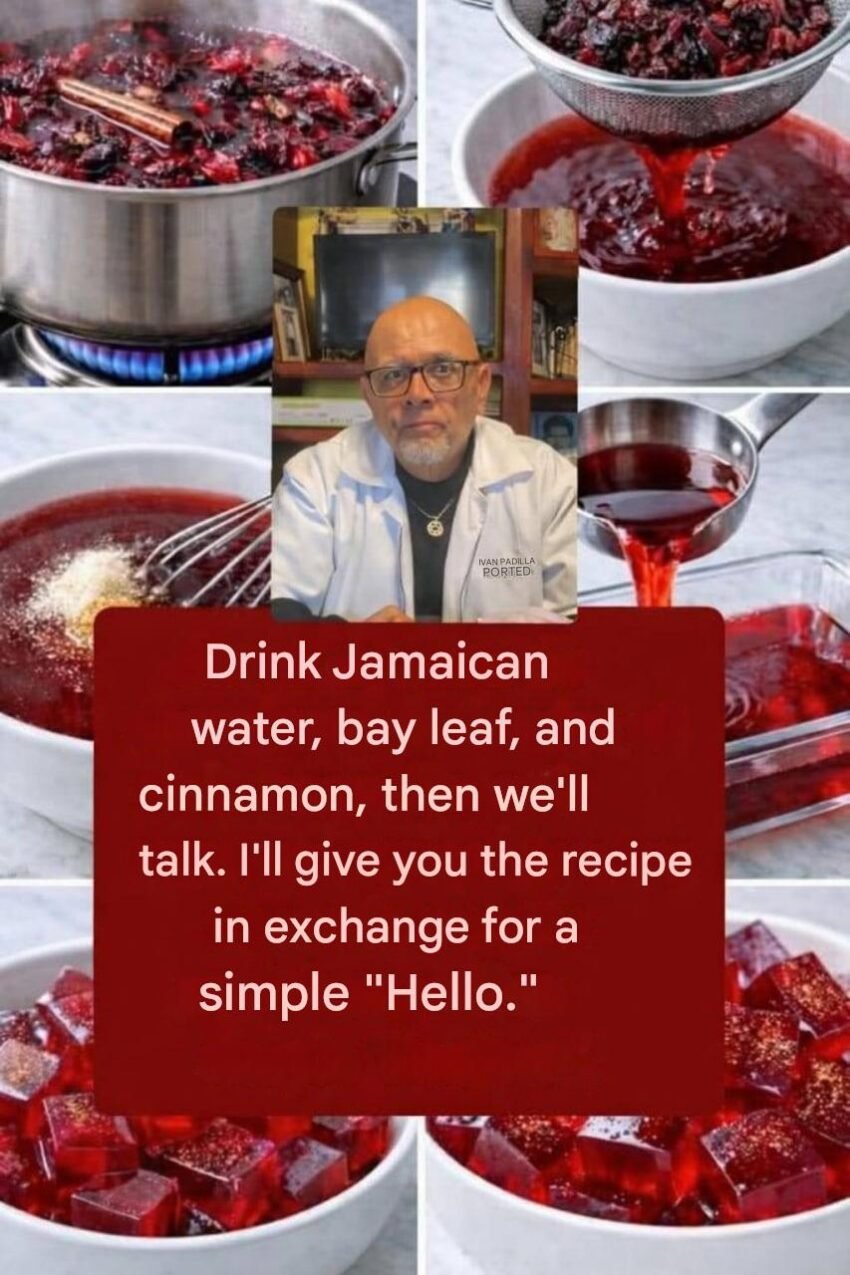
Step 1: Create a strong hibiscus infusion
Bring 3–4 cups of water to a boil.
Add:
- ½ cup dried hibiscus flowers
- 1–2 cinnamon sticks
- 4–5 whole cloves
Turn off heat and let steep for 10–15 minutes.
You want a deep red color—not pale pink.
Step 2: Strain and sweeten
Strain out all solids.
While still warm, add your sweetener gradually.
Taste as you go. Hibiscus is naturally tart, so balance is key.
Step 3: Bloom the gelatin
In a separate bowl:
- Sprinkle gelatin over cold water
- Let sit for 5 minutes
This step is non-negotiable. Skipping it leads to clumps.
Step 4: Combine and dissolve
Add the bloomed gelatin into the warm hibiscus mixture.
Stir thoroughly until completely dissolved.
No granules. No shortcuts.
Step 5: Pour and chill
Pour into molds, cups, or a glass dish.
Refrigerate for at least 4 hours (overnight is better).
What most recipes don’t tell you
Here’s where experience makes the difference.
Temperature matters more than you think
If the liquid is too hot, you weaken the gelatin structure.
Too cold? It won’t dissolve properly.
Aim for warm—not boiling.
Spice balance is subtle
Too many cloves can overpower everything.
Too little cinnamon? You lose depth.
A good rule:
- Cinnamon = background warmth
- Cloves = accent, not main note
Sweetness changes after chilling
Cold dulls sweetness.
So if it tastes perfect warm, it may taste slightly bland when chilled.
Adjust accordingly.
Flavor variations worth trying
Once you master the base, you can experiment.
Citrus hibiscus gelatin
Add orange peel during steeping.
Result: brighter, more refreshing flavor.
Honey-spiced version
Use raw honey instead of sugar.
Gives a softer, more rounded sweetness.
Layered gelatin dessert
Create two layers:
- Bottom: hibiscus spice
- Top: coconut milk gelatin
Visually stunning and texturally interesting.
Comparison: Hibiscus gelatin vs traditional desserts
| Feature | Hibiscus Gelatin | Cheesecake | Chocolate Cake |
|---|---|---|---|
| Calories | Low–moderate | High | High |
| Texture | Light, jiggly | Dense | Soft, heavy |
| Flavor | Tart & spiced | Creamy | Sweet |
| Prep time | Moderate | Long | Moderate |
| Refreshing factor | Very high | Low | Low |
Pros and cons (honest breakdown)
Pros
- Unique flavor profile
- Visually appealing
- Customizable sweetness
- Lighter than most desserts
- Budget-friendly
Cons
- Requires precise technique
- Not everyone enjoys tart flavors
- Needs refrigeration time
- Can become rubbery if over-gelled
Common mistakes—and how to fix them
1. Gelatin too firm
Cause: Too much gelatin
Fix: Reduce quantity next batch or add more liquid
2. Weak flavor
Cause: Short steeping time
Fix: Let hibiscus steep longer or use more flowers
3. Cloudy appearance
Cause: Not straining properly
Fix: Use a fine mesh sieve or cheesecloth
4. Overpowering spice
Cause: Too many cloves
Fix: Stick to 4–5 max per batch
A quick real-world scenario
Imagine this:
You’re hosting a small summer dinner in the U.S.—nothing too formal, just friends and good food.
Everyone expects the usual dessert.
Instead, you bring out chilled hibiscus gelatin cubes, glistening deep ruby red, lightly dusted with citrus zest.
People hesitate for a second.
Then they taste it.
And suddenly, the conversation shifts.
“What is this?”
“This is incredible.”
“It’s so refreshing.”
That’s the power of doing something different—and doing it well.
2026 trend insights: Why hibiscus is here to stay
Food trends are leaning toward:
- Botanical ingredients
- Functional desserts
- Global flavor influences
Hibiscus fits perfectly into all three.
You’ll likely see:
- Hibiscus gummies
- Sparkling hibiscus desserts
- Fusion dishes with spices like cinnamon and clove
This isn’t a passing trend—it’s evolving.
Expert-level tips that elevate your result
- Use filtered water for cleaner flavor
- Chill in glass containers for better presentation
- Add a pinch of salt—it enhances sweetness subtly
- Garnish right before serving for freshness
- Cut into clean shapes using a warm knife
Frequently Asked Questions
1. Does hibiscus gelatin taste like Jell-O?
Not exactly. It’s less sugary and has a natural tartness with layered spice notes.
2. Can I make this without gelatin?
Yes, you can use agar-agar as a plant-based alternative, though texture will differ slightly.
3. Is hibiscus safe to consume daily?
In moderate amounts, yes. However, people with certain medical conditions should consult a healthcare provider.
4. How long does it last in the fridge?
Up to 4–5 days when stored in an airtight container.
5. Can I reduce the tartness?
Absolutely. Increase sweetener or add citrus peel to balance it out.
6. Can I serve this at parties?
It’s actually ideal—easy to portion, visually striking, and refreshing.
7. Why didn’t my gelatin set properly?
Likely due to incorrect gelatin ratio or temperature issues during mixing.
8. Can I add alcohol?
Yes, but reduce water slightly and don’t exceed 20% alcohol content, or it may not set.
9. What’s the best sweetener to use?
Depends on preference—sugar for clarity, honey for depth, agave for a lighter taste.
10. Can kids enjoy this?
Yes, just reduce spices slightly for a milder flavor.
Action checklist: Get it right the first time
Do this:
✔ Use high-quality dried hibiscus
✔ Bloom gelatin properly
✔ Taste before chilling
✔ Strain thoroughly
✔ Chill for at least 4 hours
Avoid this:
✘ Adding gelatin to boiling liquid
✘ Overusing cloves
✘ Skipping the straining step
✘ Guessing ingredient ratios
✘ Rushing the chill time
Final thoughts
Hibiscus flower gelatin with cinnamon and cloves isn’t just another recipe—it’s a shift in how you think about dessert.
It proves that something can be:
- Simple
- Elegant
- Flavorful
- And surprisingly memorable
All at once.
If you’ve been stuck in a dessert rut, this is your way out.
A bold, refreshing, and lightly spiced dessert that stands out—without overwhelming your palate or your effort.
If you try it, experiment with it, or put your own twist on it, share your experience. That’s how great recipes evolve.