How to Get Your Peace Lily to Flower More – Expert Tips for Lush, Long-Lasting Blooms
Learn how to make your peace lily bloom more often with expert care tips on light, watering, soil, and hidden tricks for lush white flowers.
When your peace lily grows leaves—but no flowers
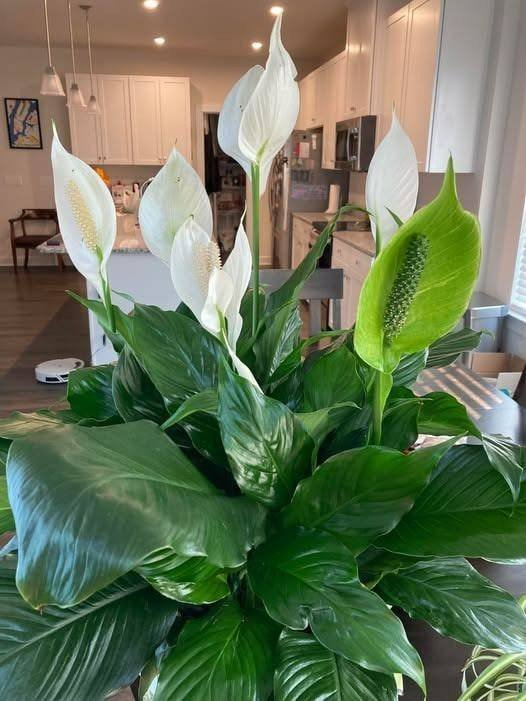
You bought a Peace Lily because of those elegant white blooms.
But now? It’s just… leaves.
Healthy, green, glossy leaves—but no flowers in sight.
If that sounds familiar, you’re not alone. Many plant owners hit this exact frustration: the plant looks alive and thriving, yet refuses to bloom.
The good news is this isn’t random. Peace lilies want to flower. You just need to give them the right signals.
And once you understand those signals, the change can be surprisingly noticeable.
Why peace lilies stop flowering (the real reason)
Most people assume it’s bad luck or a “rest phase.”
In reality, flowering is energy-dependent.
A peace lily only produces blooms when it feels:
- Stable
- Well-fed
- Not stressed
- Properly lit
If even one factor is off, the plant prioritizes survival (leaves) over reproduction (flowers).
Think of it like this:
👉 Leaves = survival mode
👉 Flowers = thriving mode
The #1 secret most people miss: light balance
Peace lilies are tricky—they don’t want direct sunlight, but they also don’t want darkness.
Ideal condition:
- Bright, indirect light
- Near a north or east-facing window
- Filtered sunlight through curtains
What happens if light is wrong:
- Too little light → no flowers
- Too much direct light → burnt leaves
- Uneven light → slow growth
If your plant hasn’t bloomed in months, light is the first thing to check.
Watering mistakes that silently kill blooms
Overwatering is one of the most common reasons peace lilies stop flowering.
The correct method:
- Water when top 1–2 inches of soil feel dry
- Use room-temperature water
- Drain excess water completely
Warning signs of bad watering:
- Drooping leaves (confusing but misleading)
- Yellowing tips
- Mushy soil
Here’s the key insight:
👉 A slightly “thirsty” peace lily blooms better than an overwatered one.
Soil matters more than you think
Poor soil = weak roots = no flowers.
Peace lilies prefer:
- Well-draining potting mix
- Slightly acidic conditions
- Good aeration
Best mix:
- Standard indoor potting soil
- Perlite (for drainage)
- A small amount of peat moss
If soil is compacted, the plant struggles to absorb nutrients needed for flowering.
Feeding your peace lily the right way
If you never fertilize, your plant may survive—but it won’t thrive.
What it needs:
A balanced liquid fertilizer (like 10-10-10 or 20-20-20)
Feeding schedule:
- Once every 4–6 weeks during growing season (spring and summer)
- Reduce or stop in winter
Important tip:
Too much fertilizer leads to lush leaves—but fewer flowers.
So moderation is key.
Temperature and humidity: the silent bloom triggers
Peace lilies are tropical plants.
They love:
- Temperatures between 18–27°C (65–80°F)
- Moderate to high humidity
What stresses them:
- Cold drafts
- Sudden temperature changes
- Dry indoor air (especially in winter)
A stressed plant will stop flowering entirely.
The “stress-to-bloom” trick most experts use
This sounds counterintuitive, but controlled stress can encourage blooming.
Not harmful stress—just subtle adjustments like:
- Slightly brighter light (not direct sun)
- Mild drying between waterings
- Seasonal fertilizer shift
This signals the plant that conditions are favorable for reproduction.
How long does it take to see more blooms?
Once conditions improve:
- New blooms may appear in 4–8 weeks
- Older plants may take longer to reset
- Growth speed depends on environment consistency
Patience matters—but consistency matters more.
Real-world example: what change actually looks like
Imagine a peace lily sitting in a dark corner.
It’s green but inactive.
Now you move it:
- Closer to indirect light
- Adjust watering routine
- Start light feeding
After a month:
- New leaves appear
- Then a bloom spike forms
- White flowers slowly emerge
Nothing dramatic overnight—but a steady shift toward health.
Comparison: thriving vs struggling peace lily
| Factor | Thriving Plant | Struggling Plant |
|---|---|---|
| Light | Bright indirect | Low or harsh light |
| Watering | Balanced | Overwatered/dry cycles |
| Soil | Loose, airy | Compact, dense |
| Fertilizer | Moderate | None or excessive |
| Blooms | Regular | Rare or none |
Common mistakes that stop flowering completely
1. Keeping it in deep shade
It survives—but won’t bloom.
2. Overwatering “out of care”
Too much love can suffocate roots.
3. Ignoring repotting needs
Crowded roots reduce flowering ability.
4. Expecting flowers year-round
Peace lilies have natural blooming cycles.
Advanced expert tips for bigger blooms
- Wipe leaves regularly to improve light absorption
- Rotate the plant weekly for even growth
- Use filtered water if tap water is high in chlorine
- Repot every 1–2 years
- Remove spent flowers to redirect energy
2026 indoor plant trend insight
Houseplants are shifting from “decoration” to “wellbeing tools.”
Peace lilies are especially popular because they:
- Improve indoor aesthetics
- Require moderate care
- Signal environmental balance through blooming
More plant owners are now tracking bloom cycles like performance indicators.
FAQs: Peace lily flowering questions answered
1. Why is my peace lily not flowering?
Most often due to low light or nutrient imbalance.
2. How often do peace lilies bloom?
Typically 1–3 times per year under good conditions.
3. Can I force my peace lily to bloom?
You can’t force it, but you can create ideal conditions.
4. Do older plants bloom less?
Not necessarily—healthy mature plants often bloom more.
5. Should I cut dead flowers?
Yes, it helps redirect energy to new blooms.
6. Does repotting help flowering?
Yes, if roots are crowded or soil is depleted.
7. Can fertilizer alone make it bloom?
No—light and care balance matter more.
8. What season do peace lilies bloom?
Mostly spring and early summer.
9. Do they need direct sunlight?
No—indirect light is best.
10. Why do flowers turn green?
Often due to aging blooms or environmental stress.
Action checklist: How to boost blooms fast
✔ Do this
- Place in bright, indirect light
- Water only when soil is partially dry
- Fertilize lightly during growing season
- Maintain stable temperature
- Remove old flowers
✘ Avoid this
- Overwatering
- Deep shade placement
- Over-fertilizing
- Ignoring soil condition
- Frequent relocation
Final thoughts
A peace lily isn’t difficult—it’s just expressive.
If it’s not flowering, it’s not failing. It’s communicating.
Once you adjust light, water, and nutrients, the plant responds in its own quiet way—with those elegant white blooms returning when conditions feel right again.
To get more peace lily flowers, focus on balanced light, proper watering, and gentle feeding—consistency matters more than effort.
If you found this helpful, share it with another plant lover—or try adjusting one factor this week and watch what changes.