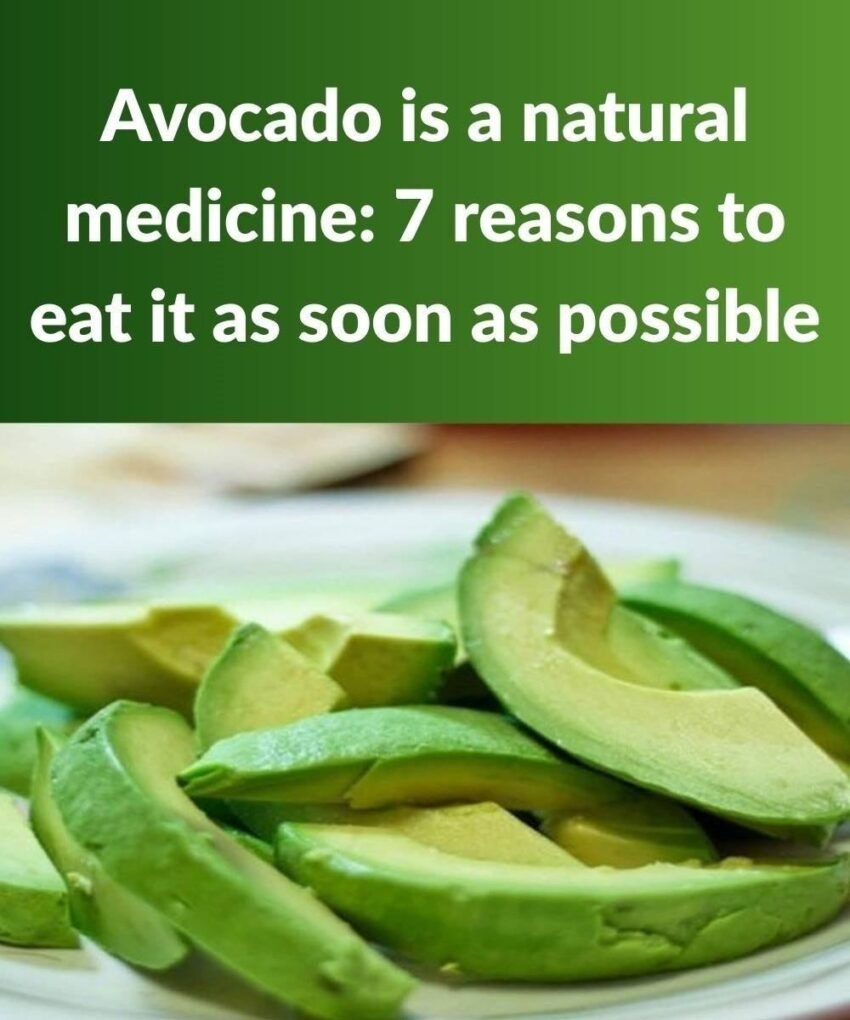
Discover 7 science-backed reasons to eat avocado daily—from heart health to glowing skin. Simple, practical, and worth adding to your routine.
Avocados used to be a “sometimes food.” Now they’re everywhere—on toast, in smoothies, even in desserts.
But here’s the real question:
Is avocado actually worth the hype, or just another food trend?
If you’ve ever hesitated in the grocery aisle—staring at that slightly-too-expensive avocado wondering if it’s really that good for you—you’re not alone.
The truth is, avocado isn’t just trendy. It’s one of the most nutrient-dense foods you can easily add to your daily routine.
In this guide, you’ll discover exactly why avocado deserves a spot in your diet, what benefits you can realistically expect, and how to use it without overdoing it.
What Makes Avocado So Unique?
Unlike most fruits, avocado is rich in healthy fats, not sugar.
That alone sets it apart.
It’s loaded with:
- Monounsaturated fats (the “good” kind)
- Fiber
- Potassium
- Vitamins like K, E, C, and B-complex
And the best part?
It’s incredibly versatile—sweet or savory, simple or gourmet.
Why It Matters (Especially in Modern Diets)
Many diets today are:
- High in processed foods
- Low in fiber
- Packed with unhealthy fats
This combination contributes to:
- Energy crashes
- Weight gain
- Heart health risks
Adding avocado isn’t just about “eating healthy.”
It’s about correcting what most diets are missing.
7 Powerful Reasons to Eat Avocado
1. Supports Heart Health
Avocados are rich in monounsaturated fats—especially oleic acid—the same type found in olive oil.
These fats can help:
- Lower “bad” LDL cholesterol
- Increase “good” HDL cholesterol
According to research published by organizations like the American Heart Association, replacing saturated fats with healthier options can significantly reduce heart disease risk.
👉 In simple terms: avocado helps your heart work more efficiently over time.
2. Keeps You Full (and Helps with Weight Control)
Ever noticed how some meals leave you hungry an hour later?
Avocado fixes that.
Thanks to its combination of fats and fiber, it:
- Slows digestion
- Stabilizes blood sugar
- Reduces cravings
People who include avocado in meals often report feeling fuller longer—which naturally helps with portion control.
3. Improves Digestion
One medium avocado contains around 10 grams of fiber.
That’s a big deal.
Fiber helps:
- Support gut bacteria
- Prevent constipation
- Improve overall digestive health
Most adults don’t get enough fiber—avocado is an easy, tasty way to fix that gap.
4. Boosts Nutrient Absorption
Here’s something most people don’t know:
Some vitamins—like A, D, E, and K—are fat-soluble, meaning your body needs fat to absorb them properly.
Adding avocado to meals can actually increase how much nutrition you get from other foods.
Example:
- Salad without avocado = less nutrient absorption
- Salad with avocado = significantly higher absorption
It’s not just what you eat—it’s what your body can use.
5. Supports Healthy Skin and Hair
Avocado is rich in:
- Vitamin E
- Healthy fats
- Antioxidants
These nutrients help:
- Keep skin hydrated
- Reduce dryness
- Support elasticity
Many people notice smoother skin and healthier-looking hair when they consistently include avocado in their diet.
6. Provides a Natural Energy Boost
Instead of quick sugar spikes (and crashes), avocado offers steady, sustained energy.
That’s because it:
- Stabilizes blood sugar
- Fuels your body with healthy fats
It’s especially useful for:
- Busy mornings
- Long workdays
- Pre-workout meals
You stay energized—without the rollercoaster.
7. May Support Brain Health
Healthy fats are essential for brain function.
Avocado contributes to:
- Better blood flow
- Reduced inflammation
- Cognitive support over time
Some studies suggest diets rich in healthy fats are linked to improved memory and focus.
It’s not a magic fix—but it’s a smart long-term habit.
Real-Life Scenario
Sarah, a 42-year-old office worker, struggled with mid-day fatigue and constant snacking.
She started adding half an avocado to her lunch—usually with eggs or salad.
Within weeks:
- She felt fuller after meals
- Her afternoon cravings dropped
- Her energy stayed more stable
No extreme dieting. Just a small, consistent change.
How to Add Avocado to Your Daily Routine
Step 1: Start Simple
- Spread on toast
- Add to eggs
- Slice into salads
No need to overcomplicate it.
Step 2: Use It as a Substitute
Replace less healthy options:
- Butter → avocado
- Mayo → mashed avocado
Step 3: Watch Portion Size
Avocado is healthy—but calorie-dense.
A good serving:
👉 About 1/3 to 1/2 of an avocado per meal
Step 4: Experiment
Try:
- Smoothies
- Guacamole
- Avocado pasta sauce
You’ll find what works for you.
Comparison: Avocado vs. Other Common Foods
| Nutrient | Avocado | Banana | Butter |
|---|---|---|---|
| Healthy Fats | High | Low | High (mostly saturated) |
| Fiber | High | Medium | None |
| Potassium | High | High | Low |
| Calories | Moderate | Moderate | High |
👉 Avocado offers a rare balance: fats + fiber + micronutrients.
Pros and Cons
Pros
- Nutrient-dense
- Supports heart health
- Keeps you full
- Versatile in meals
- Naturally delicious
Cons
- Can be expensive
- High in calories if overconsumed
- Ripens quickly (timing matters)
Common Mistakes (and Fixes)
Mistake 1: Eating Too Much
Fix: Stick to reasonable portions.
Mistake 2: Only Using It One Way
Fix: Try different recipes to avoid boredom.
Mistake 3: Buying Unripe or Overripe Avocados
Fix:
- Slightly firm = perfect for a few days later
- Soft (but not mushy) = ready now
Mistake 4: Ignoring Storage
Fix:
- Store unripe avocados at room temperature
- Refrigerate once ripe
Expert-Level Insights
- Pair avocado with vegetables to maximize nutrient absorption
- Add a squeeze of lemon to prevent browning
- Use it post-workout for recovery (healthy fats + nutrients)
Small tweaks like these amplify the benefits.
2026 Trends: Why Avocado Is Still Growing
Avocado isn’t fading anytime soon.
Current trends include:
- Plant-based diets increasing demand
- Avocado-based products (oils, spreads, snacks)
- Focus on whole, nutrient-dense foods
Health-conscious consumers are choosing foods that offer real benefits—not just low calories.
What the Future Looks Like
Expect avocado to become even more integrated into everyday meals—not just a “healthy add-on,” but a staple.
As awareness of healthy fats grows, so does appreciation for foods like avocado.
❓ Frequently Asked Questions
1. Is it okay to eat avocado every day?
Yes, in moderate portions. Daily consumption can provide consistent health benefits.
2. Does avocado help with weight loss?
It can support weight management by keeping you full and reducing overeating.
3. Is avocado high in calories?
Yes—but they are nutrient-dense calories, not empty ones.
4. Can diabetics eat avocado?
Generally yes, as it helps stabilize blood sugar—but consult a healthcare provider for personalized advice.
5. What’s the best time to eat avocado?
Anytime—morning, lunch, or even snacks.
6. Can avocado replace butter?
Yes, in many cases, especially on toast or sandwiches.
7. How do you know if an avocado is ripe?
It should yield slightly to gentle pressure without feeling mushy.
8. Does cooking avocado reduce its benefits?
Some nutrients may decrease, but it still retains many health benefits.
9. Can kids eat avocado?
Absolutely—it’s soft, nutritious, and easy to digest.
10. What if I don’t like the taste?
Try blending it into smoothies or mixing it with flavorful ingredients like lemon, garlic, or spices.
🧾 Action Checklist
What to Do
✔ Add avocado to at least one daily meal
✔ Pair it with vegetables for better absorption
✔ Use it as a healthy fat replacement
✔ Stick to moderate portions
✔ Store it properly
What to Avoid
✘ Overeating (it adds up in calories)
✘ Letting it spoil
✘ Using it only in one recipe
✘ Ignoring ripeness
🏁 Conclusion
Avocado isn’t just another health trend—it’s a practical, powerful addition to your everyday diet.
It supports your heart, your digestion, your energy, and even your skin—all in one simple food.
You don’t need a complete diet overhaul.
Sometimes, one smart habit makes all the difference.
Eating avocado regularly is one of the simplest ways to upgrade your nutrition—without overcomplicating your life.
If you found this helpful, share it with someone who’s trying to eat healthier—or drop your favorite way to eat avocado below.