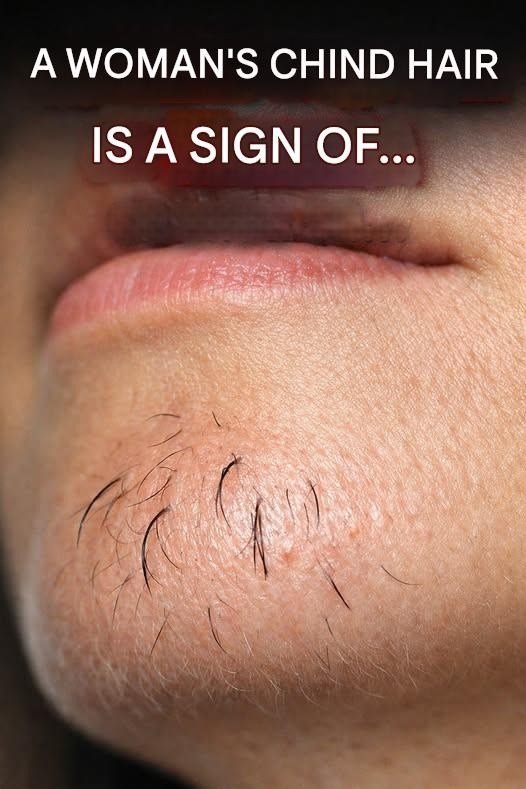
What Chin Hair in Women Really Means: 9 Causes Most People Overlook
Wondering why chin hair appears in women? Discover the real causes, what it may signal about your health, and safe ways to manage it.
You Noticed It… Now You’re Wondering Why
It usually starts with one stubborn strand.
Then another.
Before long, you’re standing in front of the mirror thinking, “Is this normal?”
If you’ve found chin hair appearing out of nowhere—or gradually increasing—you’re not alone. And more importantly, it doesn’t automatically mean something is wrong.
But it can be your body trying to tell you something.
This guide breaks down what chin hair in women actually means, when it’s harmless, when it might signal an underlying issue, and what you can realistically do about it.
First, Let’s Clear This Up: Is Chin Hair Normal?
Yes—completely.
Every woman has facial hair. Most of it is fine, light, and barely visible (often called “peach fuzz”). But sometimes, hair becomes darker, thicker, and more noticeable.
That shift is typically linked to hormones—specifically androgens, often referred to as “male hormones,” though women naturally produce them too.
The real question isn’t whether chin hair exists. It’s:
👉 Why is it becoming more visible?
What Chin Hair in Women Is a Sign Of
Let’s break this into the most common (and realistic) explanations.
1. Hormonal Fluctuations (The Most Common Cause)
Your hormone levels aren’t static—they change constantly.
Life stages that often trigger chin hair growth include:
- Puberty
- Pregnancy
- Postpartum recovery
- Perimenopause and menopause
During these phases, androgen levels can rise relative to estrogen, leading to thicker facial hair.
2. Polycystic Ovary Syndrome (PCOS)
PCOS is one of the most well-known medical reasons behind increased chin hair.
Common signs include:
- Irregular periods
- Acne
- Weight gain
- Thicker facial or body hair
Not every woman with chin hair has PCOS—but if it’s paired with these symptoms, it’s worth discussing with a healthcare provider.
3. Genetics (Often Overlooked)
Sometimes, it’s simply in your DNA.
If women in your family have noticeable facial hair, there’s a higher chance you will too.
This is especially common among women of:
- Mediterranean
- Middle Eastern
- South Asian descent
In these cases, chin hair isn’t a “problem”—it’s just a trait.
4. Aging and Hormonal Shifts
As estrogen levels decline with age, androgens can have a stronger effect.
This is why many women notice chin hair becoming more prominent in their 30s, 40s, and beyond.
It’s not sudden—it’s gradual.
5. Hirsutism
Hirsutism refers to excessive, male-pattern hair growth in women.
It’s not a condition on its own—it’s a symptom.
Possible causes include:
- Hormonal imbalances
- PCOS
- Certain medications
6. Medications
Some medications can trigger increased hair growth as a side effect.
These may include:
- Steroids
- Hormone therapies
- Certain treatments for endometriosis
If chin hair appeared after starting a medication, that’s a clue worth paying attention to.
7. Weight and Insulin Resistance
There’s a connection between insulin levels and androgen production.
Higher insulin levels can stimulate the ovaries to produce more androgens, which may lead to increased facial hair.
This is often linked with PCOS but can occur independently as well.
8. Adrenal or Hormonal Disorders
In rare cases, excessive chin hair may be linked to adrenal gland conditions.
One example is Cushing’s Syndrome, which affects cortisol levels.
These cases are uncommon—but if hair growth is sudden and severe, medical evaluation is important.
9. Stress and Lifestyle Factors
Chronic stress can disrupt hormonal balance over time.
While it’s not usually the sole cause, it can contribute to:
- Hormonal shifts
- Increased androgen activity
- Changes in hair growth patterns
Why This Matters (Beyond Appearance)
Chin hair isn’t just cosmetic—it can be a clue.
In many cases, it’s harmless. But in others, it may signal:
- Hormonal imbalance
- Metabolic issues
- Underlying health conditions
Ignoring it completely means missing an opportunity to understand your body better.
How to Tell If It’s Normal or Something More
Here’s a simple way to assess:
Likely Normal:
- A few coarse hairs
- Gradual increase over time
- No other symptoms
Worth Checking Out:
- Sudden, rapid hair growth
- Hair appearing along with acne or irregular periods
- Thick, widespread facial hair
- Voice changes or other hormonal signs
If you fall into the second category, it’s worth speaking with a medical professional.
Real-Life Scenario
A woman in her early 30s notices a few chin hairs. Over the next year, they become more frequent.
At first, she ignores it.
Then she starts experiencing irregular cycles and mild acne.
After a check-up, she’s diagnosed with PCOS.
The chin hair wasn’t the problem—it was the first signal.
What You Can Actually Do About It
Let’s talk practical solutions.
1. Temporary Removal Methods
- Tweezing (best for a few hairs)
- Waxing
- Threading
- Shaving (yes, it’s safe—no, it won’t make hair thicker)
2. Long-Term Solutions
- Laser hair removal
- Electrolysis (permanent but slower process)
3. Addressing the Root Cause
If hormonal imbalance is involved, options may include:
- Lifestyle changes
- Medical treatments
- Hormonal therapy (under medical supervision)
Comparison: Removal Methods
| Method | Best For | Longevity | Pain Level |
|---|---|---|---|
| Tweezing | Few hairs | Days–weeks | Low |
| Waxing | Multiple hairs | Weeks | Moderate |
| Shaving | Quick fix | Days | Low |
| Laser | Long-term reduction | Months–years | Moderate |
| Electrolysis | Permanent removal | Permanent | Higher |
Common Mistakes to Avoid
1. Over-Tweezing
Can irritate skin and cause ingrown hairs.
2. Ignoring Sudden Changes
Rapid growth can signal underlying issues.
3. Falling for Myths
Hair does NOT grow back thicker after shaving.
4. Using Harsh Products
Can damage skin and worsen irritation.
Expert-Level Insight Most People Miss
It’s not just about hormone levels—it’s about sensitivity.
Two women can have similar androgen levels, but one develops chin hair while the other doesn’t.
Why?
Because hair follicles respond differently.
That’s why testing alone doesn’t always tell the full story.
2026 Insight: The Shift Toward Hormone Awareness
More women are now paying attention to subtle hormonal signals—not just major symptoms.
Chin hair is part of that conversation.
Instead of dismissing it, many are using it as a starting point to better understand:
- Their cycle
- Their metabolism
- Their overall health
Frequently Asked Questions
1. Is chin hair in women a bad sign?
Not necessarily. It’s often normal but can sometimes indicate hormonal changes.
2. Does chin hair mean I have PCOS?
No—but if it’s combined with other symptoms, it’s worth checking.
3. Can stress cause chin hair?
Indirectly, yes. Stress can influence hormones.
4. Will losing weight reduce chin hair?
In some cases, especially if insulin resistance is involved.
5. Is laser hair removal safe?
Yes, when done by a qualified professional.
6. Can I stop chin hair permanently?
Electrolysis offers permanent removal; laser reduces growth significantly.
7. Why does it increase with age?
Hormonal shifts—especially lower estrogen—play a role.
8. Should I see a doctor?
If growth is sudden, excessive, or paired with other symptoms.
9. Does plucking make it worse?
No—but overdoing it can irritate your skin.
10. Are natural remedies effective?
Some may help balance hormones, but results vary.
Action Checklist
✅ Do This
- Monitor changes over time
- Use safe hair removal methods
- Pay attention to other symptoms
- Consult a professional if needed
❌ Avoid This
- Panicking over a few hairs
- Ignoring rapid changes
- Believing common myths
- Using aggressive treatments
Final Thoughts: It’s Information, Not a Flaw
Chin hair isn’t something to be embarrassed about.
It’s information.
Sometimes it’s just genetics. Sometimes it’s hormonal. Occasionally, it’s a signal worth investigating.
The key is awareness—not fear.
Understand what your body is telling you, respond thoughtfully, and choose what works best for you.
A woman’s chin hair is usually normal—but in some cases, it can signal hormonal shifts or underlying conditions worth understanding.
If this helped clarify things, share it with someone who’s been quietly wondering the same thing—or save it for future reference.