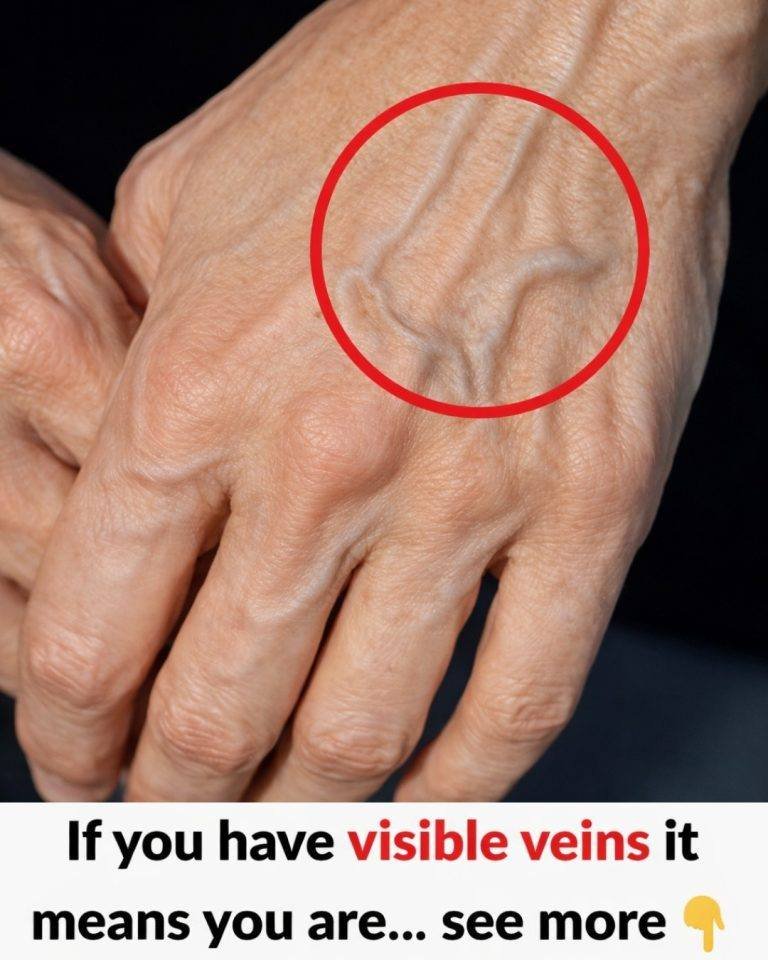
If You Have Visible Veins on Your Arms or Legs, Here’s What Your Body Might Be Trying to Tell You (2026 Guide)
Visible veins on arms or legs? Discover what causes them, when they’re normal, and warning signs of vein disease—plus practical steps to protect your circulation.
When Veins Start Showing, Should You Worry?
You catch a glimpse of your arms in the mirror… and suddenly those veins look more prominent than you remember.
Or maybe it’s your legs—thin blue lines, or slightly raised veins that seem to have appeared out of nowhere.
It’s a common experience. And for many people, it sparks the same question:
Is this normal—or a sign something’s wrong?
Here’s the truth: visible veins can mean several different things. Sometimes they’re completely harmless. Other times, they’re your body’s early warning system.
In this guide, you’ll learn:
- Why veins become more visible
- The difference between normal and concerning changes
- What visible veins may reveal about your health
- Practical steps to improve circulation and vein health
Let’s break it down in a way that actually makes sense.
What Makes Veins Visible in the First Place?
Veins carry blood back to your heart. Unlike arteries, they sit closer to the surface of your skin—especially in areas like:
- Hands and arms
- Legs and calves
- Feet
When something changes in your body, those veins can become more noticeable.
The Main Factors Behind Visibility
- Skin thickness: Thinner skin makes veins easier to see
- Body fat levels: Less fat = less coverage over veins
- Blood flow changes: Increased circulation can enlarge veins
- Aging: Skin loses collagen, making veins stand out more
So right away, not all visible veins are a problem.
When Visible Veins Are Completely Normal
Let’s start with the reassuring side.
1. You’re Lean or Physically Active
If you exercise regularly—especially strength training—your veins may look more pronounced.
Why?
- Increased blood flow
- Muscle growth pushing veins closer to the skin
- Lower body fat levels
This is often called “vascularity,” and it’s generally harmless.
2. You’re Aging (And That’s Okay)
As you get older:
- Skin becomes thinner
- Fat under the skin decreases
- Veins lose elasticity
This combination makes veins more visible, particularly on hands and legs.
3. You’re Hot or Dehydrated
Heat causes veins to dilate (expand), which makes them more noticeable.
Dehydration can also temporarily affect circulation and vein appearance.
4. Genetics Play a Role
Some people simply have more visible veins due to inherited traits.
If your parents had prominent veins, chances are you might too.
When Visible Veins Might Signal Something More Serious
This is where things get important.
Visible veins alone aren’t the issue—it’s the type and behavior of those veins that matter.
1. Varicose Veins: More Than Just Cosmetic
These are enlarged, twisted veins—often raised and dark blue or purple.
They commonly appear in the legs.
What’s happening internally?
Vein valves that normally keep blood flowing upward become weak or damaged, allowing blood to pool.
Possible symptoms:
- Aching or heaviness in legs
- Swelling
- Itching around veins
- Worsening discomfort after standing
If left unmanaged, varicose veins can lead to complications.
2. Spider Veins: A Mild Warning Sign
These are smaller, web-like veins near the surface.
They’re usually harmless but can indicate early circulation issues.
Think of them as a yellow flag—not a red one.
3. Chronic Venous Insufficiency (CVI)
This is a more advanced condition where blood struggles to flow back to the heart.
Over time, it can lead to:
- Persistent swelling
- Skin discoloration
- Ulcers in severe cases
Visible veins are often one of the first signs.
4. Sudden Changes: A Red Flag
If veins suddenly become:
- Painful
- Hard
- Warm to the touch
This could indicate a clotting issue, such as superficial thrombophlebitis.
That’s something you shouldn’t ignore.
Why This Matters More in the United States
In the U.S., vein-related conditions are surprisingly common:
- Millions of adults experience some form of vein disease
- Sedentary lifestyles contribute to poor circulation
- Long hours of sitting (office jobs, driving) increase risk
Combine that with aging populations—and visible veins become more than just a cosmetic concern.
A Quick Comparison: Normal vs. Concerning Veins
| Feature | Likely Normal | Worth Checking |
|---|---|---|
| Color | Light blue/green | Dark purple/blue |
| Texture | Flat or slightly raised | Bulging, twisted |
| Pain | None | Aching, burning |
| Swelling | No | Yes |
| Change over time | Gradual | Sudden or worsening |
Step-by-Step: How to Support Healthy Veins
You don’t need complicated treatments to improve vein health. Small changes can make a big difference.
Step 1: Move More (Even a Little Helps)
Sitting or standing too long slows circulation.
Try:
- Walking for 10–15 minutes daily
- Stretching your legs regularly
- Taking breaks if you sit for long periods
Step 2: Elevate Your Legs
Raising your legs above heart level helps blood flow back more easily.
Even 15–20 minutes a day can reduce pressure.
Step 3: Stay Hydrated
Proper hydration supports healthy blood flow and vessel function.
Step 4: Consider Compression Socks
These gently squeeze your legs to improve circulation.
They’re especially helpful if you:
- Stand for long hours
- Travel frequently
- Have early vein symptoms
Step 5: Maintain a Healthy Weight
Extra weight puts pressure on your veins—especially in the legs.
Common Mistakes People Make
Mistake #1: Ignoring Early Signs
Small changes can turn into bigger problems over time.
Fix: Pay attention to new symptoms.
Mistake #2: Thinking It’s Just Cosmetic
Some vein issues are more than skin-deep.
Fix: Don’t dismiss discomfort or swelling.
Mistake #3: Waiting Too Long
Delaying evaluation can lead to complications.
Fix: Seek medical advice if symptoms persist.
Expert Insight: What Most People Overlook
Here’s something many don’t realize:
Your veins are part of a larger circulation system—and they reflect overall cardiovascular health.
Visible changes can sometimes be early indicators of:
- Blood flow inefficiencies
- Valve dysfunction
- Lifestyle imbalances
In other words, your veins may be telling a broader story.
2026 Update: What Experts Are Focusing On
Recent trends in vein health research include:
- Earlier detection using non-invasive imaging
- Increased use of minimally invasive treatments
- Greater awareness of lifestyle-related risk factors
Doctors are also emphasizing prevention more than ever.
Future Outlook: Smarter, Less Invasive Care
Treatment options are evolving rapidly.
Instead of major surgery, many patients now benefit from:
- Laser therapy
- Ultrasound-guided procedures
- Quick outpatient treatments
This makes early diagnosis even more valuable.
Mini Case Scenario: A Small Change That Made a Big Difference
Mark, 61, noticed more visible veins in his calves.
At first, he ignored them.
But when mild aching started, he decided to act.
He:
- Began walking daily
- Used compression socks
- Adjusted his work routine
Within months, symptoms improved—and he avoided more serious issues.
Frequently Asked Questions
1. Are visible veins always a sign of poor health?
No. Many are completely normal, especially in active or lean individuals.
2. Why are my veins suddenly more visible?
It could be due to heat, dehydration, weight loss, or circulation changes.
3. Are varicose veins dangerous?
They’re usually not life-threatening but can lead to complications if untreated.
4. Can visible veins go away on their own?
Some temporary changes can improve, but structural vein issues usually don’t disappear without treatment.
5. Do compression socks really help?
Yes, they improve circulation and reduce symptoms.
6. Should I see a doctor for visible veins?
If you have pain, swelling, or sudden changes—yes.
7. Can exercise make veins worse?
No. In most cases, it improves circulation and vein health.
8. Is this related to heart disease?
Not directly, but both involve the circulatory system.
9. Are there natural ways to reduce vein visibility?
Lifestyle changes like movement, hydration, and weight management can help.
10. Do women experience this more than men?
Yes, especially due to hormonal factors and pregnancy.
Action Checklist: What to Do Next
✔ Do This
- Stay active daily
- Elevate your legs when possible
- Drink enough water
- Monitor changes in your veins
- Use compression socks if needed
❌ Avoid This
- Sitting or standing too long without movement
- Ignoring pain or swelling
- Assuming all visible veins are harmless
- Delaying medical advice
Conclusion: Your Body Is Talking—Are You Listening?
Visible veins aren’t something to panic about.
But they’re not something to ignore either.
Sometimes they’re simply a sign of fitness or aging. Other times, they’re an early signal that your circulation needs attention.
The key is knowing the difference—and acting early when needed.
Because when it comes to vein health, small steps today can prevent bigger problems tomorrow.
Visible veins can be normal—but changes in appearance, pain, or swelling may signal underlying issues. Pay attention, take action, and protect your circulation early.
If this helped you understand your body better, share it with someone who’s been wondering the same thing—or take a closer look at your own health habits today.