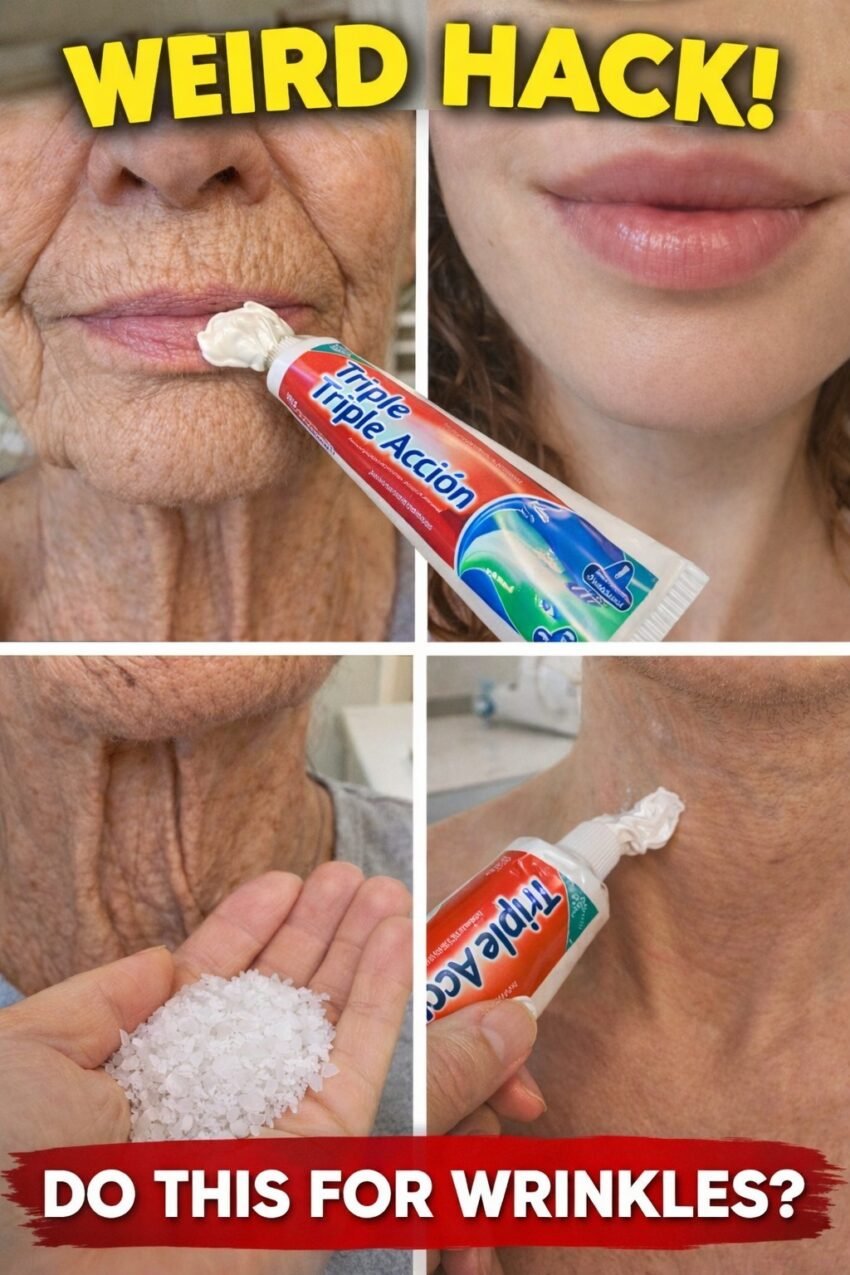
A Simple At-Home Scrub Routine Many People Use for Smoother-Looking Hands and Arms (Easy, Safe, and Effective Guide)
Learn a simple at-home scrub routine for smoother-looking hands and arms using natural ingredients, plus skin tips, mistakes to avoid, and expert care advice.
Why Hands and Arms Show Age First
Most people focus on their face when it comes to skincare.
But hands and arms quietly tell a different story.
Dryness, rough texture, uneven tone, and dull skin often show up there first—sometimes even before you notice changes elsewhere.
The good news?
You don’t need expensive treatments to improve how your skin looks and feels.
A simple at-home scrub routine can help refresh the surface of your skin, improve smoothness, and restore a healthier glow when done correctly.
But there’s a catch:
How you do it matters more than what you use.
Let’s break it down in a clear, practical way.
What an At-Home Scrub Actually Does
A scrub is a form of exfoliation, meaning it helps remove dead skin cells from the surface.
When done properly, it may:
- Improve skin texture
- Make hands and arms feel smoother
- Enhance the absorption of moisturizer
- Support a more even-looking skin tone
It does not change your skin type or permanently alter your skin—but it can noticeably improve surface appearance.
Why Hands and Arms Become Rough or Dull
Before jumping into routines, it helps to understand why this happens.
Common reasons include:
- Frequent washing or sanitizing
- Sun exposure without protection
- Aging and natural collagen loss
- Dry weather or low humidity
- Lack of moisturizing routine
Over time, dead skin builds up and creates a rough texture.
That’s where gentle exfoliation helps.
A Simple At-Home Scrub Routine (Step-by-Step)
This routine is designed to be gentle, beginner-friendly, and safe for most skin types.
Step 1: Clean the Skin First
Start with clean hands and arms.
Use lukewarm water and a mild cleanser.
Why?
Because scrubbing dirty or oily skin can trap debris and irritate the surface.
Step 2: Choose a Gentle Scrub Base
You don’t need harsh exfoliants.
Common at-home options include:
- Sugar (fine grains work best)
- Oatmeal (soothing for sensitive skin)
- Coffee grounds (mild stimulation)
These are often used in DIY skincare routines because they’re accessible and gentle when used correctly.
Step 3: Mix With a Natural Moisturizing Agent
Combine your base with something that reduces friction, such as:
- Honey
- Olive oil
- Aloe vera gel
- Yogurt
This helps prevent over-exfoliation.
Step 4: Apply Gently (No Harsh Scrubbing)
Massage the mixture onto your hands and arms using light circular motions.
Focus on:
- Knuckles
- Forearms
- Dry patches
Time: 1–2 minutes per area is enough.
More pressure does not mean better results.
Step 5: Rinse With Lukewarm Water
Avoid hot water—it can dry out your skin further.
Pat dry gently with a towel.
Step 6: Lock in Moisture Immediately
This step is essential.
Apply a moisturizer while skin is still slightly damp.
Good options include:
- Fragrance-free lotions
- Shea butter creams
- Light body oils
How Often Should You Do It?
More is not better here.
Recommended frequency:
- 1–2 times per week for normal skin
- Once per week for sensitive skin
- Avoid daily scrubbing
Over-exfoliation can lead to:
- Redness
- Dry patches
- Increased sensitivity
Comparison Table: Scrubbing Too Much vs. Just Right
| Factor | Too Much Exfoliation | Balanced Routine |
|---|---|---|
| Skin texture | Irritated, rough | Smooth, refreshed |
| Moisture level | Dry and flaky | Hydrated |
| Sensitivity | High | Low |
| Long-term effect | Damage risk | Healthy glow |
Common Mistakes People Make
Mistake #1: Scrubbing Too Hard
People often think pressure equals results.
Fix: Use light, gentle motions only.
Mistake #2: Using Harsh Ingredients
Salt or large particles can damage skin.
Fix: Stick to fine, soft exfoliants.
Mistake #3: Skipping Moisturizer
This cancels out the benefits.
Fix: Always moisturize after exfoliating.
Mistake #4: Overdoing It
Daily scrubbing can weaken the skin barrier.
Fix: Limit to a few times per week.
Who Should Be Extra Careful
Some people should avoid aggressive exfoliation, including those with:
- Eczema or sensitive skin conditions
- Sunburned skin
- Open cuts or irritation
- Extremely dry skin
If unsure, start very gently or consult a dermatologist.
Expert Insight: What Actually Improves Skin Smoothness
Skincare experts often emphasize that exfoliation is only part of the process.
Long-term smooth skin depends on:
- Consistent hydration
- Sun protection
- Gentle cleansing habits
- Balanced exfoliation
In other words, scrubbing alone won’t transform your skin—but it can enhance a good routine.
Simple Add-On Tips for Better Results
1. Use Sunscreen on Hands and Arms
UV exposure is one of the biggest causes of uneven texture and aging.
2. Stay Hydrated
Skin reflects internal hydration levels.
3. Apply Hand Cream Daily
Not just after scrubbing—daily care matters more than occasional treatments.
4. Wear Gloves During Harsh Cleaning
Detergents can strip natural oils.
Mini Routine Example (Realistic Weekly Plan)
- Monday: Moisturize only
- Wednesday: Gentle scrub + moisturizer
- Friday: Moisturize + sunscreen focus
- Sunday: Light scrub + deep hydration
Consistency matters more than intensity.
Frequently Asked Questions
1. Does scrubbing make skin lighter?
It can improve brightness by removing dead skin, but it does not change natural skin color.
2. Can I use body scrub on my face?
No. Facial skin is more sensitive and needs specific products.
3. How long until I see results?
Most people notice smoother texture after 1–2 uses.
4. Is sugar or salt better for scrubs?
Sugar is generally gentler and safer for most skin types.
5. Can I exfoliate daily?
No. Over-exfoliation can damage the skin barrier.
6. What if my skin feels dry after scrubbing?
You may be over-exfoliating or not moisturizing enough.
7. Is this routine safe for aging skin?
Yes, but it should be very gentle and followed with hydration.
8. Can scrubbing remove dark spots?
It may help with surface dullness, but not deep pigmentation.
9. Should I scrub before or after showering?
After a shower is often best because skin is softer.
10. What’s the most important step?
Moisturizing after exfoliation is the most critical step.
Action Checklist: Simple Skincare Habit Guide
✔ Do This
- Exfoliate 1–2 times weekly
- Use gentle ingredients
- Moisturize immediately after
- Apply sunscreen daily
- Stay consistent
❌ Avoid This
- Scrubbing aggressively
- Using harsh or large particles
- Over-exfoliating
- Skipping hydration
- Ignoring skin irritation
Conclusion: Small Habits, Noticeable Difference
Smoother-looking hands and arms don’t come from complicated routines.
They come from simple, consistent care.
A gentle scrub, combined with proper hydration and protection, can make a visible difference in how your skin looks and feels over time.
But the real secret isn’t the scrub itself—it’s how you treat your skin every day.
A gentle at-home scrub routine can improve skin texture, but consistency, hydration, and protection matter far more than intensity.
If this helped, share it with someone who loves simple skincare—or try the routine and observe how your skin responds over the next week.