If Your Hands “Fall Asleep,” It’s a Clear Sign Your Body May Be Sending You This Warning (What It Really Means)
Hands falling asleep isn’t always harmless. Learn what tingling, numbness, and “pins and needles” may indicate and when to worry.
That “Pins and Needles” Feeling Isn’t Random
Almost everyone has experienced it.
You sit in one position too long… or wake up with your hand feeling strange.
It’s numb. Tingling. Like it’s “asleep.”
Most of the time, it fades within seconds.
But what if it keeps happening?
What if it happens without you sitting on your arm or pressing on anything at all?
That’s when your body may be trying to tell you something more important.
In this guide, you’ll learn:
- Why your hands “fall asleep”
- The most common causes behind it
- When it’s harmless vs concerning
- Conditions that may be linked
- What steps you should take
Let’s break it down clearly.
What “Hands Falling Asleep” Actually Means
The medical term for this sensation is paresthesia—a temporary or persistent feeling of:
- Tingling
- Numbness
- “Pins and needles”
- Reduced sensation
It happens when nerves are irritated or temporarily not functioning normally.
Your nerves act like electrical wiring. When signals are disrupted, you feel that strange “sleeping” sensation.
Common (Harmless) Reasons Your Hands Fall Asleep
In many cases, the cause is simple and temporary.
1. Pressure on Nerves
The most common reason.
Examples:
- Sleeping on your arm
- Leaning on your elbow
- Holding your wrist in one position too long
This temporarily blocks nerve signals.
2. Poor Circulation
Blood flow can be restricted when:
- Sitting awkwardly
- Crossing arms or legs for long periods
- Wearing tight clothing or accessories
Once pressure is removed, sensation returns.
3. Repetitive Hand Movements
Typing, texting, or manual work can irritate nerves over time.
When It Might Be a Sign of Something More Serious
If it happens frequently or without clear cause, it may point to an underlying issue.
Possible Medical Causes
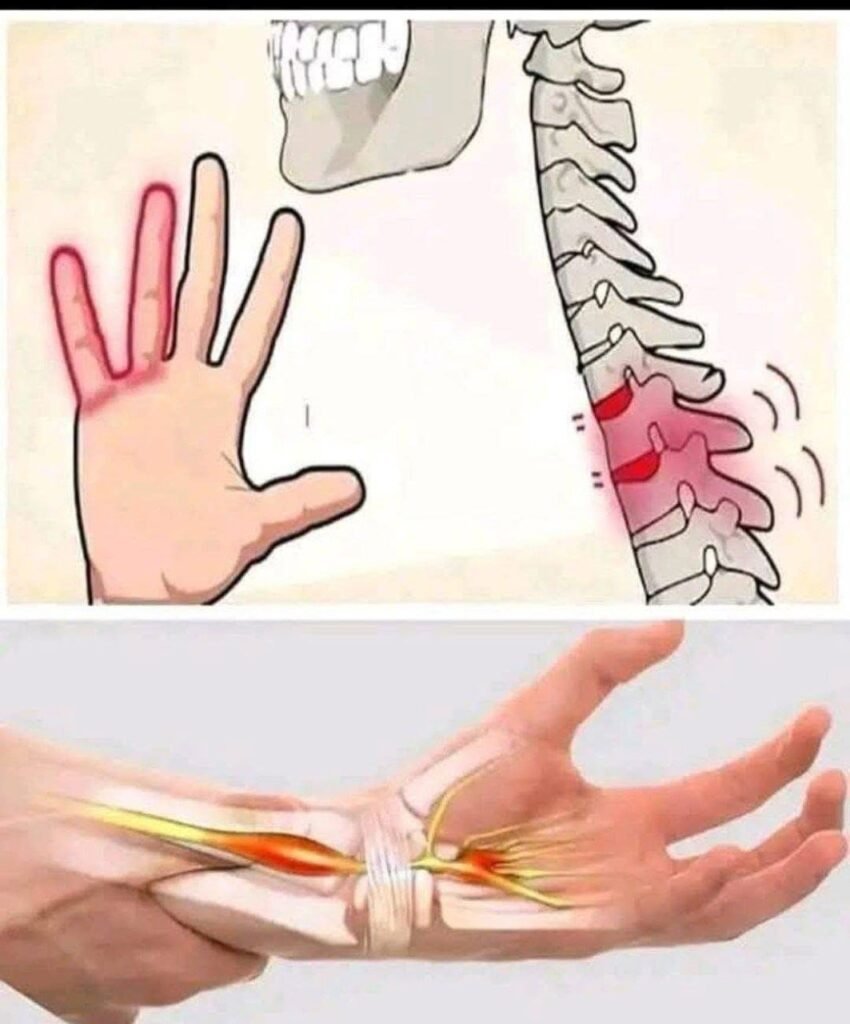
1. Carpal Tunnel Syndrome
A very common cause of recurring hand numbness.
Carpal Tunnel Syndrome occurs when the median nerve is compressed in the wrist.
Symptoms may include:
- Tingling in thumb, index, and middle fingers
- Worse symptoms at night
- Weak grip strength
2. Peripheral Neuropathy
Peripheral Neuropathy is damage to nerves outside the brain and spinal cord.
Common causes include:
- Diabetes
- Vitamin deficiencies
- Alcohol use
- Certain medications
Symptoms often include:
- Burning or tingling in hands and feet
- Numbness
- Loss of sensation
3. Vitamin Deficiencies
Low levels of certain nutrients—especially Vitamin B12—can affect nerve function.
This may cause:
- Tingling in hands
- Fatigue
- Memory issues
4. Cervical Spine Issues (Neck Problems)
Compressed nerves in the neck can cause symptoms in the hands.
You may also notice:
- Neck pain
- Shoulder discomfort
- Radiating arm tingling
5. Diabetes-Related Nerve Damage
Long-term high blood sugar can damage nerves over time, especially in the hands and feet.
When You Should Be Concerned
Occasional tingling is normal.
But pay attention if:
- It happens frequently
- It wakes you up at night
- It affects strength or grip
- It lasts longer than a few minutes
- It occurs without pressure or position changes
Comparison: Normal vs Concerning Symptoms
| Normal | Concerning |
|---|---|
| Happens after pressure | Happens without pressure |
| Goes away quickly | Lasts minutes or longer |
| No weakness | Weak grip or coordination loss |
| Occasional | Frequent or daily |
What You Should Do If It Keeps Happening
Step 1: Track the Pattern
Note:
- Time of day
- Which fingers are affected
- Duration
- Activities before symptoms
Step 2: Adjust Habits
- Avoid leaning on elbows
- Improve posture
- Take breaks during repetitive tasks
Step 3: Check Nutrition
Ensure adequate intake of:
- Vitamin B12
- Magnesium
- Folate
Step 4: Improve Wrist and Neck Position
Ergonomic setup can reduce nerve pressure significantly.
Step 5: Seek Medical Evaluation if Persistent
If symptoms continue, a doctor may check for nerve compression or metabolic causes.
Expert Insight: Why Nerve Symptoms Shouldn’t Be Ignored
According to neurological health experts, early nerve irritation is often reversible—but prolonged compression or damage may become harder to treat over time.
Organizations like National Institute of Neurological Disorders and Stroke emphasize early diagnosis for nerve-related symptoms to prevent progression.
Simple Lifestyle Tips to Reduce Hand Numbness
- Take regular breaks from typing or repetitive work
- Stretch hands and wrists daily
- Maintain good posture
- Keep blood sugar under control
- Stay hydrated
- Avoid prolonged pressure on arms
Mini Case Example: A Common Scenario
A 48-year-old office worker noticed:
- Tingling in fingers every morning
- Occasional wrist discomfort
- Symptoms worsening after long computer use
After evaluation, mild carpal tunnel syndrome was identified.
With:
- Wrist support
- Ergonomic adjustments
- Activity breaks
Symptoms improved significantly within weeks.
Frequently Asked Questions
1. Is it normal for hands to fall asleep sometimes?
Yes, occasional episodes are common and usually harmless.
2. Why does it happen at night?
Sleeping positions can compress nerves or reduce circulation.
3. Can stress cause hand tingling?
Yes, anxiety can sometimes contribute to physical sensations.
4. Is it always carpal tunnel syndrome?
No, there are multiple possible causes.
5. Can vitamin deficiency cause this?
Yes, especially Vitamin B12 deficiency.
6. When should I see a doctor?
If it becomes frequent, painful, or affects strength.
7. Can exercise help?
Yes, gentle movement improves circulation and nerve health.
8. Is it reversible?
Many causes are reversible if treated early.
Action Checklist: What to Do Now
✔ Do This
- Observe frequency and triggers
- Improve posture and ergonomics
- Take breaks from repetitive work
- Maintain healthy nutrition
- Seek medical advice if persistent
❌ Avoid This
- Ignoring frequent symptoms
- Sleeping on your arms repeatedly
- Overusing wrists without rest
- Self-diagnosing serious conditions
Conclusion: Your Nerves Are Speaking—Pay Attention Early
Occasional hand tingling is usually harmless.
But repeated or unexplained symptoms are worth attention.
Your nerves are sensitive systems, and when they’re irritated, they often give early warnings long before serious problems develop.
Listening early can make all the difference.
If your hands frequently “fall asleep” without clear cause, it may signal nerve compression, circulation issues, or vitamin deficiency—and early evaluation is key.
If this helped you understand your symptoms better, share it with someone who experiences frequent tingling—or consider discussing it with a healthcare professional for peace of mind.