Washing Broccoli With Just Water Is Wrong — Here’s the Right Way to Clean It Properly (Food Safety Experts Explain)
Washing broccoli with only water may not remove dirt, pesticides, or insects. Learn the correct step-by-step method to clean broccoli safely.
That “Clean Looking” Broccoli Might Not Be Clean at All
Broccoli looks simple.
A quick rinse under the tap, a shake, and it’s ready to cook—right?
Not exactly.
Even when it looks fresh from the store or market, broccoli can carry:
- Dirt trapped deep in florets
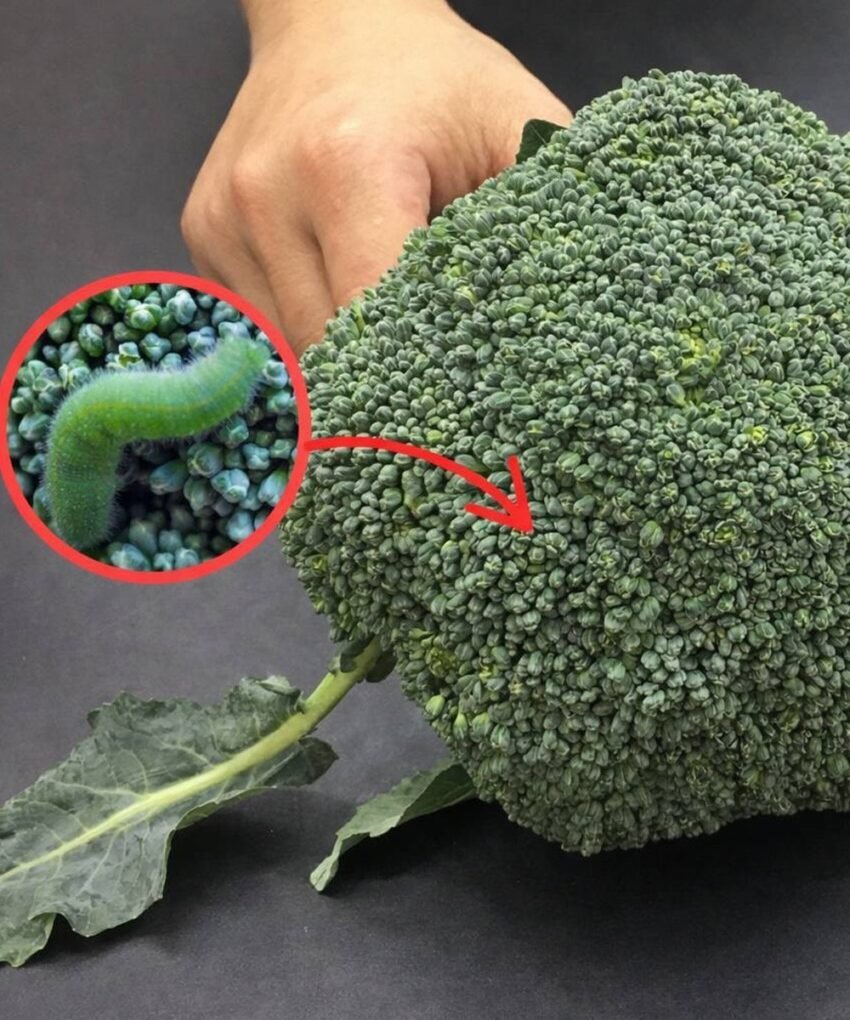
- Tiny insects hiding inside clusters
- Residue from pesticides or handling
- Bacteria from transport and storage
The problem is structural.
Broccoli isn’t a smooth vegetable—it’s a dense, tree-like formation with hundreds of tiny hiding spaces.
That means water alone often isn’t enough.
In this guide, you’ll learn:
- Why rinsing with water is not sufficient
- The safest and most effective cleaning method
- Common mistakes people make
- Food safety insights used in real kitchens
- Simple steps you can follow at home
Let’s break it down clearly.
Why Washing Broccoli With Just Water Is Not Enough
Most people assume running water removes everything.
But broccoli’s structure makes it difficult.
Here’s why:
1. Dense Florets Trap Dirt
The small clusters are tightly packed, making it easy for debris to hide.
2. Insects Can Hide Deep Inside
Small worms or aphids can remain inside even after rinsing.
3. Pesticide Residue May Stick
Water alone may not fully remove surface chemicals.
4. Surface Tension Limits Cleaning
Water flows over broccoli instead of penetrating deeply into florets.
The Correct Way to Wash Broccoli (Step-by-Step)
Food safety experts recommend a more thorough method.
Step 1: Separate the Florets
Cut broccoli into smaller pieces.
This allows better cleaning inside hidden areas.
Step 2: Soak in Salt Water or Vinegar Solution
Fill a bowl with cold water and add one of the following:
- 1–2 teaspoons of salt
or - 1 tablespoon of vinegar
Let broccoli soak for 10–15 minutes.
This helps:
- Loosen dirt
- Dislodge insects
- Reduce surface residue
Step 3: Swirl Gently
Move the broccoli around in the water.
This helps trapped particles come out of the florets.
Step 4: Rinse Under Running Water
After soaking:
- Rinse thoroughly under clean running water
- Turn pieces to wash all sides
Step 5: Shake and Drain Properly
Let excess water drain completely before cooking or storing.
Optional Step: Blanching for Extra Safety
If you want extra cleanliness:
- Briefly blanch broccoli in boiling water for 30–60 seconds
- Then transfer to cold water
This helps reduce bacteria further while keeping texture intact.
Comparison: Water-Only vs Proper Cleaning Method
| Method | Effectiveness |
|---|---|
| Quick rinse under water | Removes surface dirt only |
| Soaking in salt/vinegar + rinse | Removes hidden debris + insects |
| Soak + blanching | Highest level of cleanliness |
Common Mistakes People Make
Mistake #1: Washing After Cutting Too Small
Tiny pieces absorb water and lose nutrients.
Fix: Cut into medium florets before soaking.
Mistake #2: Skipping Soaking Step
Rinsing alone is not enough for deep cleaning.
Mistake #3: Using Hot Water
Hot water can partially cook broccoli and affect texture.
Mistake #4: Washing Too Early and Storing Wet
Moisture can cause spoilage.
Why Food Safety Matters More Than People Think
Vegetables like broccoli grow close to soil and are exposed to environmental elements.
According to food safety guidance from agencies such as U.S. Food and Drug Administration, proper washing of produce is an important step in reducing contamination risks before consumption.
Even organic vegetables still require cleaning.
Extra Tips for Cleaner, Safer Broccoli
1. Buy from Trusted Sources
Freshness reduces contamination risk.
2. Inspect Before Cooking
Look for:
- Yellowing
- Insects
- Soft spots
3. Store Properly After Washing
Keep dry broccoli in the fridge in a breathable container.
4. Cook Thoroughly When Needed
Light steaming helps maintain nutrients while improving safety.
Mini Real-Life Scenario
A home cook once noticed tiny insects floating after soaking broccoli in salt water.
At first, it seemed surprising.
But after switching from simple rinsing to soaking, the difference was clear:
- Cleaner florets
- Better taste
- More confidence in food safety
Sometimes the “extra step” makes a visible difference.
Frequently Asked Questions
1. Is rinsing broccoli under water enough?
No, it often leaves dirt and insects hidden inside florets.
2. Is vinegar or salt better for washing?
Both work. Salt helps dislodge insects; vinegar helps reduce residue.
3. How long should I soak broccoli?
10–15 minutes is usually enough.
4. Can I wash broccoli in advance?
Yes, but store it dry to prevent spoilage.
5. Does soaking remove all pesticides?
It reduces residue but may not remove 100% of chemicals.
6. Should I use soap to wash vegetables?
No, soap is not recommended for food.
7. Is organic broccoli cleaner?
Not necessarily—it still needs washing.
8. Can I skip washing if I cook it?
Cooking helps, but washing first is still important.
Action Checklist: Proper Broccoli Cleaning
✔ Do This
- Cut into florets first
- Soak in salt or vinegar water
- Rinse thoroughly under running water
- Drain before cooking
- Store dry if not cooking immediately
❌ Avoid This
- Relying on water-only rinsing
- Using soap or detergents
- Storing wet broccoli
- Skipping soaking step
Conclusion: Small Step, Big Difference in Food Safety
Broccoli is healthy—but only when properly cleaned.
A quick rinse may remove visible dirt, but it often misses what’s hidden inside the florets.
A simple soaking and rinsing method significantly improves cleanliness, safety, and peace of mind.
It takes a few extra minutes—but it makes your food genuinely cleaner.
Washing broccoli with just water is not enough. A quick soak in salt or vinegar water followed by rinsing is the safest and most effective method.
If this helped you improve your kitchen habits, share it with someone who cooks often—or try this method the next time you prepare broccoli and notice the difference yourself.