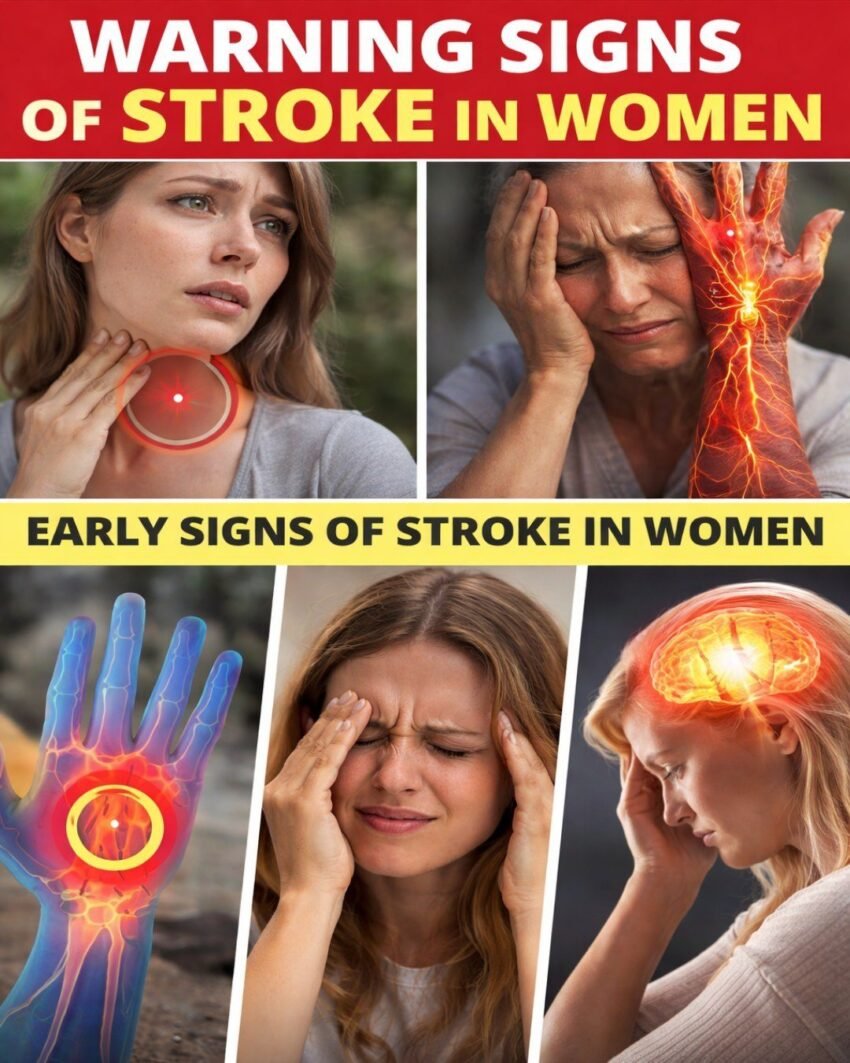
10 Symptoms of a Stroke in Women (Rapid Detection Guide Every Woman Should Know)
Learn 10 key stroke symptoms in women for rapid detection, including subtle warning signs often missed. Early action can save lives.
When Every Second Truly Counts
A stroke doesn’t always look dramatic.
It doesn’t always mean collapsing or losing speech instantly.
In women especially, the warning signs can be subtle, confusing, or mistaken for something else.
That’s what makes it dangerous.
Because during a stroke, brain cells begin to die within minutes.
Recognizing the early signs can mean the difference between recovery and permanent damage.
In this guide, you’ll learn:
- 10 stroke symptoms in women
- Subtle warning signs often overlooked
- Why women may experience different symptoms
- What to do immediately if symptoms appear
What Is a Stroke?
A stroke occurs when blood flow to the brain is interrupted or reduced, preventing oxygen from reaching brain tissue.
There are two main types:
- Ischemic stroke (blocked artery)
- Hemorrhagic stroke (bleeding in the brain)
According to Stroke, immediate treatment is critical to reduce long-term damage.
Why Stroke Symptoms in Women Can Be Different
Women may experience less typical symptoms compared to men.
This often leads to delayed recognition and treatment.
Hormonal factors, age, and underlying conditions can influence how symptoms appear.
10 Symptoms of Stroke in Women (Rapid Detection)
1. Sudden Face Drooping
One side of the face may:
- Feel numb
- Appear uneven
- Smile looks asymmetrical
Ask the person to smile—uneven movement is a red flag.
2. Arm Weakness or Numbness
A sudden inability to:
- Lift one arm
- Hold objects
- Maintain strength
This often affects one side of the body.
3. Speech Difficulties
Watch for:
- Slurred speech
- Trouble forming words
- Confusion while talking
Even simple sentences may become difficult.
4. Sudden Vision Problems
May include:
- Blurred vision
- Double vision
- Loss of vision in one eye
This can happen suddenly without warning.
5. Severe, Sudden Headache
A very intense headache with no clear cause.
Often described as:
“The worst headache of my life”
This is more common in hemorrhagic strokes.
6. Sudden Dizziness or Loss of Balance
Includes:
- Trouble walking
- Feeling unsteady
- Loss of coordination
This can be mistaken for fatigue or dehydration.
7. Unexplained Fatigue or Weakness
Women may feel:
- Sudden exhaustion
- Heaviness in limbs
- Difficulty staying alert
This symptom is often overlooked.
8. Confusion or Trouble Understanding
Includes:
- Difficulty processing information
- Not understanding simple instructions
- Memory disruption
9. Nausea or Vomiting
More common in women than men during a stroke.
May appear alongside dizziness or headache.
10. Sudden Emotional Changes or Anxiety
Some women experience:
- Sudden fear or panic
- Confusion
- Emotional instability
These symptoms are often mistaken for stress or anxiety attacks.
FAST Test: Quick Stroke Detection Tool
Use this simple method:
- F – Face: Is one side drooping?
- A – Arms: Can both arms be lifted?
- S – Speech: Is speech clear?
- T – Time: Call emergency help immediately
Why Fast Action Is Critical
Brain cells begin dying within minutes of oxygen loss.
Organizations like American Stroke Association emphasize that early treatment significantly improves survival and recovery outcomes.
Comparison: Stroke vs Less Serious Conditions
| Stroke | Other Conditions |
|---|---|
| Sudden onset | Gradual symptoms |
| One-sided weakness | General fatigue |
| Speech difficulty | Mild confusion |
| Vision loss | Temporary blurriness |
Common Mistakes People Make
❌ Waiting to See if Symptoms Improve
Time is critical—delays can cause permanent damage.
❌ Confusing Stroke With Anxiety or Fatigue
Especially in women, symptoms may be misinterpreted.
❌ Ignoring Mild Early Signs
Even minor symptoms can escalate quickly.
Mini Scenario: A Realistic Situation
A woman suddenly felt dizzy and had trouble speaking clearly.
She assumed it was stress.
Within minutes, her arm weakness worsened.
Emergency services were called—and she received timely treatment.
Early recognition made a major difference in recovery.
What to Do If You Suspect a Stroke
✔ Call emergency services immediately
✔ Note the time symptoms started
✔ Keep the person calm and still
✔ Do not give food or drink
✔ Monitor breathing and responsiveness
Frequently Asked Questions
1. Are stroke symptoms different in women?
Yes, women may experience more subtle or atypical symptoms.
2. Can stroke happen without pain?
Yes, many strokes are painless.
3. Is dizziness always a stroke?
No, but sudden severe dizziness with other symptoms is concerning.
4. Can young women have strokes?
Yes, although risk increases with age.
5. What is the most common early sign?
Sudden weakness or facial drooping.
6. Can stress mimic stroke symptoms?
Yes, but stroke symptoms are usually sudden and localized.
7. How fast should action be taken?
Immediately—every minute matters.
8. Can stroke be prevented?
Many risk factors can be managed through lifestyle and medical care.
Action Checklist: Stroke Awareness
✔ Do This
- Learn FAST signs
- Act immediately on suspicion
- Monitor sudden neurological changes
- Keep emergency numbers accessible
- Educate family members
❌ Avoid This
- Delaying medical help
- Ignoring mild sudden symptoms
- Self-diagnosing
- Waiting for symptoms to pass
Conclusion: Awareness Can Save Lives
Stroke in women doesn’t always present dramatically.
Sometimes it starts quietly—with dizziness, confusion, or subtle weakness.
Recognizing the warning signs early is one of the most powerful tools for survival and recovery. Stroke symptoms in women can be subtle but sudden—and rapid detection is critical to prevent permanent brain damage or death.
If this helped increase awareness, share it with someone you care about—it could help save a life.