🔥 Are Those Suspicious Clusters in Your Garden Tick Eggs? How to Identify Them and Stay Safe
Think you’ve found tick eggs in your garden? Learn how to identify them correctly, what they really look like, and safe ways to handle potential tick infestations.
You’re gardening or walking through your yard when you notice something strange.
A small cluster. Tiny. Pale. Almost jelly-like or seed-like in appearance.
And suddenly, your mind jumps:
👉 “Are these tick eggs?”
It’s a valid concern—especially if you live in an area where ticks are common.
But here’s something important most people don’t realize:
👉 Not every suspicious cluster in your garden is tick eggs—and misidentifying them can lead to unnecessary panic or unsafe handling.
Let’s walk through exactly what tick eggs actually look like, what they’re often mistaken for, and how to safely respond if you suspect an infestation.
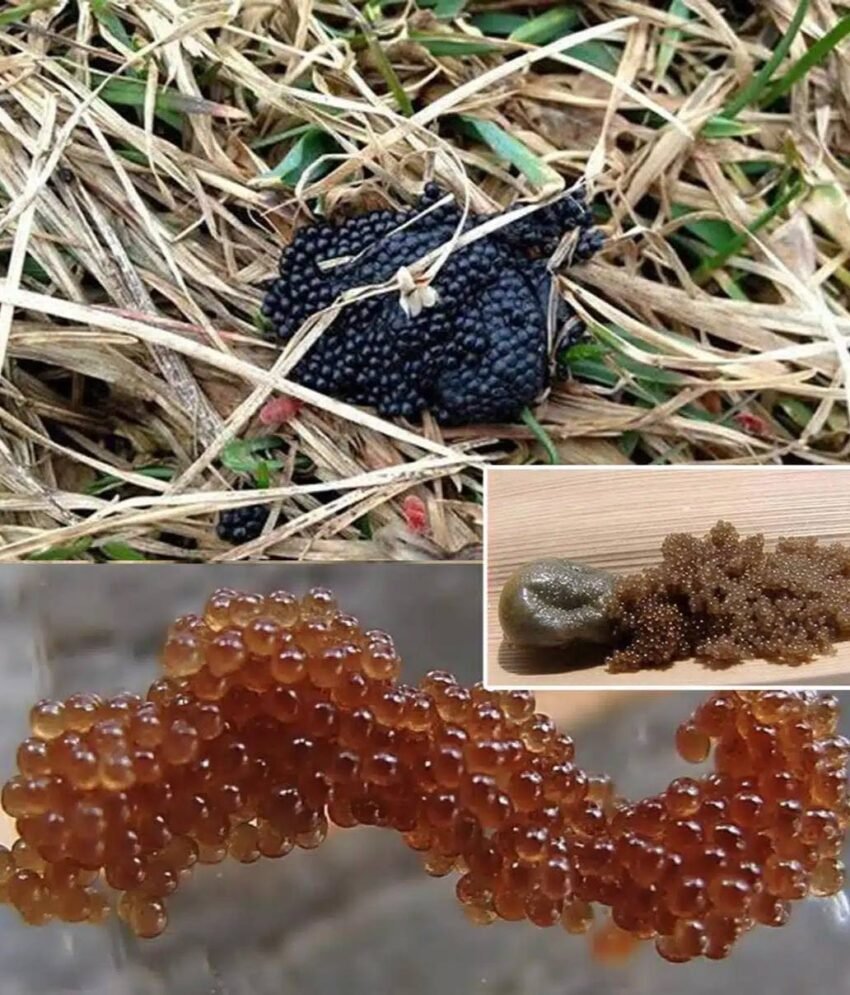
🧠 First, What Do Tick Eggs Actually Look Like?
Tick eggs are extremely small and often overlooked.
Key characteristics:
- Very tiny (about 0.5 mm or smaller)
- Oval or tear-shaped
- Translucent, pale yellow, or amber-colored
- Laid in dense clusters
- Covered in a sticky, glue-like substance
They are typically found in:
- Soil near vegetation
- Leaf litter
- Cracks in outdoor surfaces
- Hidden, humid shaded areas
👉 They are rarely obvious in open, visible “garden clusters.”
⚠️ What People Commonly Mistake for Tick Eggs
This is where most confusion happens.
Many harmless garden materials look suspicious at first glance.
1. Insect egg clusters (harmless species)
Many insects lay egg masses that resemble tick eggs but belong to:
- Ladybugs
- Moths
- Spiders (sometimes mistaken structures)
These are often beneficial insects, not pests.
2. Plant seeds or fungal growth
Some natural materials can look alarming:
- Mold spores
- Plant seed clusters
- Moist organic debris
3. Aphid or insect residue
Sticky clusters on plants are often:
- Aphid colonies
- Sap residue
- Insect secretions
These are common in gardens and not related to ticks.
🧬 Where Ticks Actually Lay Eggs
Understanding tick behavior helps reduce confusion.
Female ticks usually lay eggs:
- In hidden, protected environments
- Close to ground level
- In moist, shaded areas
- Away from direct sunlight and disturbance
They do NOT typically lay eggs in obvious exposed clusters in garden beds or on surfaces where they are easily visible.
🕷️ Why Ticks Are a Real Concern
While eggs themselves are not harmful, ticks are important to take seriously because:
- They can attach to humans or pets
- They feed on blood
- Some species may transmit diseases (depending on region)
This is why proper identification matters—but panic is not necessary.
🏠 Real-Life Scenario
A homeowner in a suburban area noticed a small cluster of pale, sticky-looking specks near garden mulch.
They assumed it was tick eggs and prepared to treat the entire yard with chemicals.
Later, an extension service identified the cluster as fungal growth on decomposing plant matter.
No ticks. No infestation.
Just natural decomposition mistaken for eggs.
👍 What You Should Do If You Find Suspicious Clusters
✔️ Step 1: Don’t touch directly
Use gloves or a tool if inspection is needed.
✔️ Step 2: Observe closely (without disturbing)
Look for:
- Movement (eggs do not move)
- Consistent shape and clustering
- Location (soil vs plant surface vs debris)
✔️ Step 3: Take a photo
This helps for identification by professionals or pest control experts.
✔️ Step 4: Compare carefully
Check against reliable insect identification sources or local extension services.
✔️ Step 5: Clean area safely if unsure
If you suspect pest activity:
- Remove debris
- Maintain dry, clean garden conditions
- Avoid spreading materials around
❌ What NOT to Do
❌ Don’t spray chemicals immediately
Misidentification can lead to unnecessary environmental harm.
❌ Don’t crush or spread the cluster
This may spread eggs if they are actually from insects.
❌ Don’t assume all clusters are ticks
Most garden clusters are harmless natural formations.
🧠 Expert Insight Most People Miss
Ticks are not random garden “cluster layers.”
They are:
- Highly selective about environment
- Hidden in protected micro-habitats
- More likely found on hosts (animals) than in visible egg piles
👉 Visible “egg clusters” in gardens are far more often non-tick organisms or natural materials.
🔥 How to Reduce Tick Risk in Your Yard
Even if you don’t find eggs, prevention matters.
✔️ Keep grass trimmed
Short vegetation reduces tick habitat.
✔️ Remove leaf litter
Ticks thrive in moist organic debris.
✔️ Create dry barriers
Gravel or wood chips between lawn and wooded areas can help.
✔️ Protect pets
Use veterinarian-recommended tick prevention.
✔️ Check yourself after outdoor activity
Especially in wooded or grassy areas.
📊 Tick Eggs vs Look-Alikes
| Feature | Tick Eggs | Common Misidentifications |
|---|---|---|
| Visibility | Rarely obvious | Often visible |
| Location | Hidden, shaded | Open garden areas |
| Movement | None | None or sometimes living insects |
| Appearance | Uniform tiny ovals | Mixed shapes/textures |
| Risk level | Future ticks if viable | Usually harmless |
🧠 When to Be Concerned
Consider professional help if you notice:
- Actual ticks on pets or humans
- Repeated sightings in multiple hidden yard areas
- Confirmed identification of tick species nearby
- Increasing tick activity in your region
🔮 Future Outlook
With changing climates, tick populations are expanding in many regions globally.
This means:
- More awareness is needed
- Better yard maintenance is becoming important
- Early identification tools are improving
But accurate identification remains the key—not assumptions.
❓ Frequently Asked Questions
1. What do tick eggs look like?
Tiny, oval, pale clusters usually hidden in moist areas.
2. Are tick eggs dangerous to touch?
Not directly, but avoid handling due to possible contamination.
3. Can you see tick eggs easily in a garden?
Usually no—they are well hidden.
4. How long do tick eggs take to hatch?
Typically a few weeks depending on environment.
5. Can tick eggs be mistaken for plant seeds?
Yes, very commonly.
6. Do all clusters in gardens mean pests?
No—most are harmless natural materials or beneficial insects.
7. Should I spray my yard if I suspect tick eggs?
Not without confirmation.
8. Who can identify them safely?
Local pest control professionals or agricultural extension services.
🧾 Action Checklist
✅ What To Do
- Observe carefully before acting
- Use gloves if handling debris
- Take photos for identification
- Keep yard clean and dry
- Monitor pets and outdoor exposure
❌ What To Avoid
- Jumping to conclusions
- Using chemicals immediately
- Disturbing unknown clusters
- Ignoring proper identification steps
- Handling without protection
🏁 Conclusion
Suspicious clusters in your garden can look alarming—but most are not tick eggs.
True tick eggs are hidden, subtle, and rarely seen in obvious open clusters.
The safest approach is simple:
Observe. Identify. Confirm.
Not assume.
Most garden “mystery clusters” are harmless natural materials—not tick eggs—but careful observation is key before taking action.
If this helped clear up confusion, share it with someone who spends time in their garden—or explore more simple guides on identifying common outdoor pests safely.