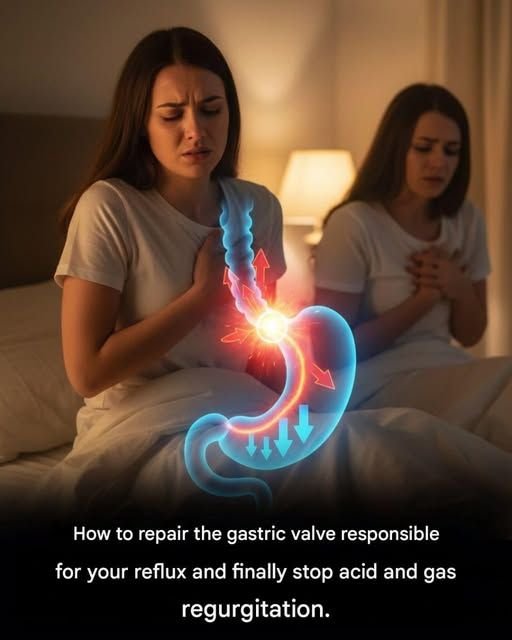
Fix Your Acid Reflux at the Source: 9 Proven Ways to Strengthen Your Lower Esophageal Sphincter (LES) and Stop Regurgitation for Good
Struggling with acid reflux? Learn how to strengthen your lower esophageal sphincter (LES) naturally and reduce heartburn, gas, and regurgitation.
That Burning Feeling Isn’t Random — It’s a Mechanical Problem
If you’ve dealt with acid reflux long enough, you’ve probably been told the same thing over and over:
“Just avoid spicy food.”
“Take an antacid.”
“Eat smaller meals.”
Sometimes it helps. Most of the time, it doesn’t solve the real issue.
Because reflux isn’t just about what you eat.
It’s about a tiny but critical valve in your body that isn’t doing its job properly: the lower esophageal sphincter, or LES.
When this muscle weakens or relaxes at the wrong time, stomach contents—acid, gas, partially digested food—flow backward into your esophagus. That’s what creates:
- Burning chest pain
- Sour taste in the mouth
- Chronic burping or gas regurgitation
- Nighttime choking sensations
This guide breaks down how to actually repair and support that mechanism—using evidence-based strategies, not quick fixes.
What the LES Actually Does (And Why It Fails)
The lower esophageal sphincter is a ring of muscle located between your esophagus and stomach.
Its job is simple:
- Open when you swallow food
- Close tightly afterward to keep stomach contents down
When functioning properly, you don’t even notice it.
When it fails? You get gastroesophageal reflux disease.
Why the LES Weakens
This isn’t random. Common causes include:
- Chronic overeating (stretches the stomach and valve)
- High abdominal pressure (belly fat, tight clothing)
- Certain foods (fatty meals, alcohol, chocolate)
- Medications (some relax smooth muscle)
- Stress (affects gut-brain signaling)
In many cases, it’s not permanently “damaged”—it’s dysregulated.
That’s good news. It means you can improve it.
Why Fixing the LES Matters More Than Managing Symptoms
Here’s the mistake most people make:
They treat acid, not the valve.
Medications like Omeprazole reduce acid production, but they don’t fix reflux mechanics.
So even with less acid, you can still have:
- Regurgitation
- Bloating
- Gas pressure pushing upward
Long-term reliance without lifestyle change can also impact digestion and nutrient absorption (as noted by institutions like Harvard Health).
Bottom line: If the valve stays weak, symptoms often return.
9 Proven Ways to Strengthen and Support Your LES
1. Stop Overfilling Your Stomach
Your stomach isn’t designed to be stretched constantly.
Large meals increase internal pressure, forcing the LES open.
What to do:
- Eat until 70–80% full
- Switch from 3 large meals to 4–5 smaller ones
Immediate benefit: Less pressure = fewer reflux episodes
2. Identify and Reduce LES-Relaxing Foods
Certain foods directly relax the sphincter muscle.
Common triggers:
- Chocolate
- Alcohol
- Peppermint
- Fried foods
- Caffeine
You don’t need to eliminate everything forever.
But you do need to identify your personal triggers.
3. Fix Your Eating Timing (This Is Huge)
Eating late at night is one of the fastest ways to worsen reflux.
When you lie down:
- Gravity no longer helps keep acid down
- LES pressure decreases
Rule:
Stop eating 2–3 hours before bed.
4. Use Gravity to Your Advantage
Sleeping flat makes reflux easier.
Simple fix:
- Elevate the head of your bed by 6–8 inches
- Or use a wedge pillow
This reduces nighttime regurgitation significantly.
5. Lose Excess Abdominal Pressure (If Applicable)
Extra weight around the abdomen increases pressure on the stomach.
This forces acid upward—even if your LES isn’t severely weak.
Even a 5–10% weight reduction can noticeably improve symptoms.
6. Strengthen Diaphragmatic Function (Often Overlooked)
Your diaphragm works alongside the LES.
Weak breathing patterns = less support for the valve.
Practice:
- Deep belly breathing (5–10 minutes daily)
- Inhale through nose, expand abdomen—not chest
This improves pressure balance in the upper abdomen.
7. Avoid Tight Clothing Around the Waist
It sounds minor, but it’s not.
Tight belts, shapewear, or waistbands:
- Compress the stomach
- Increase upward pressure
Small mechanical changes make a real difference.
8. Be Strategic With Medications
If you’re using acid reducers like Omeprazole:
- Use them as a tool, not a permanent crutch
- Work with a doctor to taper when appropriate
Overuse can lead to:
- Reduced stomach acid needed for digestion
- Increased gas and bloating
9. Manage Stress (It Directly Affects Reflux)
Stress doesn’t just affect your mind—it changes gut function.
It can:
- Increase acid sensitivity
- Disrupt LES coordination
- Slow digestion (leading to gas buildup)
Effective methods:
- Walking after meals
- Mindfulness practices
- Consistent sleep schedule
Step-by-Step Daily Routine to Support LES Function
Morning:
- Warm water before food
- Light, non-acidic breakfast
Midday:
- Moderate meal size
- Stay upright after eating
Evening:
- Finish last meal 3 hours before bed
- Avoid trigger foods
Night:
- Elevated head position
- No late snacking
Real-World Scenario
Mark, a 38-year-old office worker in Texas, had daily reflux for years.
He relied heavily on antacids but still experienced:
- Nighttime regurgitation
- Constant throat irritation
After making three changes:
- Smaller meals
- No late-night eating
- Elevated sleep position
Within 3 weeks:
- Symptoms dropped by ~70%
- He reduced medication use
No extreme diet. Just mechanical correction.
Comparison: Symptom Control vs Root Fix
| Approach | What It Does | Long-Term Effect |
|---|---|---|
| Antacids | Neutralize acid | Temporary relief |
| PPIs (e.g., Omeprazole) | Reduce acid production | Doesn’t fix LES |
| Lifestyle changes | Improve LES function | Long-term improvement |
Common Mistakes That Keep Reflux Alive
1. Eating “Healthy” but Overeating
Even clean food causes reflux if portions are too large.
2. Drinking Too Much During Meals
Excess liquid increases stomach volume.
3. Ignoring Posture
Slouching after meals compresses the stomach.
4. Quitting Too Early
LES improvement takes consistency, not quick fixes.
Expert Insight Most People Miss
The LES doesn’t usually need “repair” in the surgical sense.
It needs:
- Reduced pressure
- Better coordination
- Consistent habits
In severe cases, procedures like Nissen fundoplication may be considered—but that’s typically a last resort.
2026 Update: What’s Changing in Reflux Treatment
The shift is toward:
- Functional medicine approaches
- Gut-brain axis research
- Personalized trigger identification
There’s less focus on suppressing acid—and more on restoring normal function.
Frequently Asked Questions
1. Can the LES heal naturally?
Yes, in many cases it can improve with consistent lifestyle changes.
2. How long does it take to see results?
Some people notice improvement within 2–4 weeks.
3. Is acid reflux always permanent?
No. Many cases are reversible or manageable.
4. Do probiotics help?
They may improve digestion and reduce gas, indirectly helping reflux.
5. Is surgery necessary?
Only in severe, treatment-resistant cases.
6. Does drinking water help reflux?
In moderation, yes—but excessive intake during meals can worsen it.
7. Can stress alone cause reflux?
It can significantly worsen symptoms and trigger episodes.
8. Are natural remedies effective?
Some (like ginger or chamomile) may help, but they don’t fix mechanics alone.
Action Checklist
Do This:
- Eat smaller meals
- Stop eating before bedtime
- Elevate your head while sleeping
- Identify trigger foods
- Practice deep breathing
Avoid This:
- Overeating
- Tight clothing
- Late-night meals
- Relying only on medication
- Ignoring posture
Conclusion: Fix the Valve, Not Just the Acid
Reflux isn’t just a chemical problem—it’s mechanical.
Once you understand how the LES works, everything changes.
You stop chasing temporary relief and start addressing the cause.
That’s when real improvement happens.
Support your LES consistently, and reflux stops controlling your life—you start controlling it.
If this helped clarify things, share it with someone dealing with reflux—or apply one change today and see how your body responds.