🔥 You Cut Open a Watermelon and Saw Cracks? Stop Eating It Immediately! Here’s What It Really Means
Cracks inside your watermelon? Learn what they mean, when it’s unsafe to eat, and how to pick a perfect watermelon every time.
You slice open a watermelon, expecting that juicy, bright-red perfection…
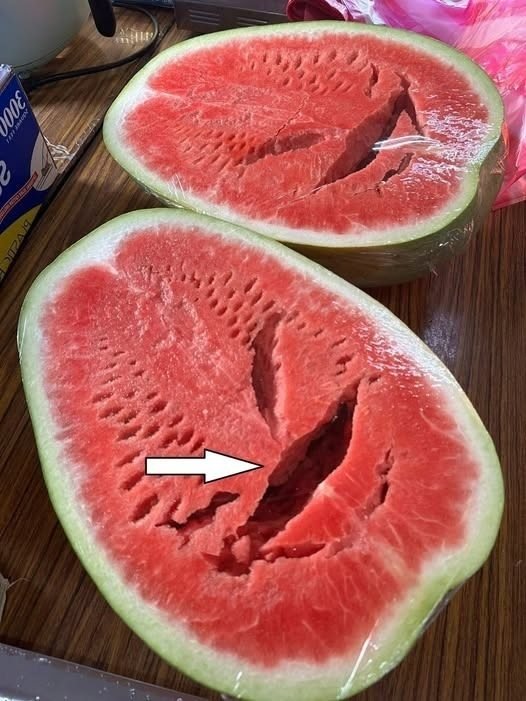
But instead—you see cracks. Gaps. Strange hollow lines running through the flesh.
Your first thought: Is this still safe to eat?
Here’s the reality most people don’t talk about: internal cracks in a watermelon can signal more than just poor quality. In some cases, it’s harmless. In others, it’s your cue to stop eating immediately.
This guide breaks down exactly what those cracks mean, when you should toss the fruit, and how to avoid picking a bad one in the first place.
🍉 What Are Cracks Inside a Watermelon?
Cracks inside a Watermelon are often referred to as:
- Hollow heart
- Internal splitting
- Structural gaps
They appear as:
- Deep fissures in the flesh
- Hollow pockets
- Uneven texture inside the fruit
At first glance, they can look alarming—and sometimes they should be.
But not all cracks are created equal.
🧠 Why It Matters (More Than You Think)
Most people assume fruit is either “good” or “bad.”
Watermelon doesn’t work like that.
Internal cracks can indicate:
- Rapid growth issues
- Pollination problems
- Environmental stress
- In rare cases, early spoilage
In the U.S., where large-scale farming prioritizes speed and yield, these issues are more common than many realize.
Ignoring the signs could mean:
- Eating lower-quality fruit
- Consuming partially spoiled produce
- Missing early indicators of contamination
⚠️ The 3 Main Reasons Your Watermelon Has Cracks
Let’s break it down clearly.
1. Hollow Heart (The Most Common Cause)
This is the primary reason you’ll see cracks.
It happens when the watermelon grows too quickly, often due to:
- Sudden weather changes
- Inconsistent watering
- Poor pollination
What it looks like:
- Large cracks or cavities in the center
- Dry or less juicy sections
Is it safe?
Usually, yes.
But quality is compromised—taste, texture, and juiciness won’t be the same.
2. Overripeness or Internal Breakdown
This is where things get more serious.
As the fruit overripens:
- Flesh weakens
- Structure collapses
- Cracks begin to form
Warning signs:
- Mushy texture
- Sour or fermented smell
- Dull color
If you notice these along with cracks—don’t eat it.
3. Bacterial or Fungal Activity (Rare but Important)
In some cases, cracks can allow microorganisms to grow inside.
This is more likely if:
- The watermelon was damaged before cutting
- It was stored improperly
- It sat too long after ripening
Signs to watch for:
- Slimy texture
- Off-putting odor
- Unusual discoloration
This is when you should absolutely throw it away.
🚨 When You Should STOP Eating It Immediately
Cracks alone aren’t always dangerous—but combined with these signs, they are:
- Strong sour or alcoholic smell
- Sticky or slimy flesh
- Darkened or uneven color
- Bitter or strange taste
If you notice even one of these, don’t risk it.
Foodborne illness isn’t worth a few bites of fruit.
🛠️ How to Check a Watermelon After Cutting
Before you eat, do a quick inspection:
Step 1: Look
- Is the color vibrant red or pink?
- Are the cracks dry or moist?
Step 2: Smell
- Fresh watermelon smells light and sweet
- Sour smell = discard
Step 3: Touch
- Firm and crisp = good
- Mushy or slimy = bad
Step 4: Taste (Only if Everything Else Checks Out)
- Sweet and refreshing = safe
- Bitter or fizzy = throw it away
🏡 Real-Life Scenario
You bring home a watermelon from the grocery store.
You cut it open and notice:
- A large hollow crack in the center
- Flesh still bright red
- No strange smell
In this case:
It’s likely hollow heart—safe, but not ideal.
Now imagine:
- Same cracks
- Slight sour smell
- Soft texture
That’s your cue to toss it.
📊 Comparison Table: Safe vs Unsafe Cracked Watermelon
| Feature | Likely Safe (Hollow Heart) | Unsafe (Spoilage) |
|---|---|---|
| Smell | Neutral/sweet | Sour/fermented |
| Texture | Firm | Mushy/slimy |
| Color | Bright red | Dull/dark patches |
| Taste | Mildly sweet | Bitter or off |
| Moisture in cracks | Dry or slightly moist | Sticky or wet |
⚖️ Pros and Cons of Eating Cracked Watermelon
Pros
- Still edible if fresh
- No immediate health risk (in most cases)
- Can be used in smoothies or recipes
Cons
- Lower quality taste
- Reduced juiciness
- Potential risk if signs of spoilage appear
🚫 Common Mistakes People Make
Mistake 1: Assuming All Cracks Mean It’s Bad
Fix: Check smell and texture before deciding.
Mistake 2: Ignoring Subtle Smell Changes
Fix: Trust your senses—especially smell.
Mistake 3: Storing Cut Watermelon Too Long
Fix: Refrigerate and consume within 3–5 days.
Mistake 4: Buying Based Only on Size
Fix: Quality matters more than appearance.
💡 Expert Tips to Avoid This Problem Entirely
- Choose watermelons with a creamy yellow field spot
- Avoid overly shiny or perfectly symmetrical ones
- Tap test: a deep hollow sound usually indicates ripeness
- Buy in season for better quality
Bonus insight:
Seedless watermelons are more prone to hollow heart due to pollination challenges.
🔮 2026 Trends in Food Quality Awareness
- Increased consumer focus on produce transparency
- Smarter supply chain tracking
- More education on identifying food spoilage
- Growth in organic and locally sourced fruit demand
People are becoming more aware—and more selective.
📖 Mini Case Scenario
Lisa, a 42-year-old from Florida, cut open a watermelon for her kids.
She noticed:
- Large internal cracks
- Slightly soft texture
She almost served it anyway.
But after checking the smell—slightly sour—she threw it out.
The next day, she learned that improperly stored fruit can ferment internally.
That small decision likely prevented a stomach issue.
❓ Frequently Asked Questions
1. Are cracks in watermelon always dangerous?
No, but they require closer inspection.
2. What is hollow heart exactly?
A growth disorder that causes internal cracking, usually harmless.
3. Can I eat watermelon with small cracks?
Yes, if there are no signs of spoilage.
4. Why does my watermelon taste fizzy?
It may be fermenting—do not eat it.
5. How long does cut watermelon last?
3–5 days in the refrigerator.
6. Can bacteria grow inside watermelon?
Yes, especially if the fruit is damaged or overripe.
7. Is seedless watermelon more prone to cracks?
Yes, due to pollination issues.
8. Should I refrigerate whole watermelon?
Not necessary until cut—but it helps extend freshness.
9. What color should watermelon be inside?
Bright red or pink, depending on the variety.
10. Can I cook cracked watermelon?
Only if it’s fresh and safe—but quality may be poor.
✅ Action Checklist
What to Do:
- Inspect cracks carefully
- Check smell, texture, and color
- Refrigerate after cutting
- Consume within a few days
What to Avoid:
- Eating watermelon with sour smell
- Ignoring texture changes
- Keeping cut fruit too long
- Assuming appearance tells the full story
🏁 Conclusion
Cracks inside your watermelon aren’t always a dealbreaker—but they’re never something to ignore.
Sometimes, it’s just a harmless growth issue.
Other times, it’s your only warning sign that something’s off.
The key is simple:
Pay attention.
A quick check can make the difference between enjoying a refreshing snack—and risking your health.
If your watermelon has cracks, don’t panic—but don’t ignore it either. Check it carefully, and when in doubt, throw it out.
If this helped you avoid a bad bite, share it—and explore more smart food tips to protect your health every day.