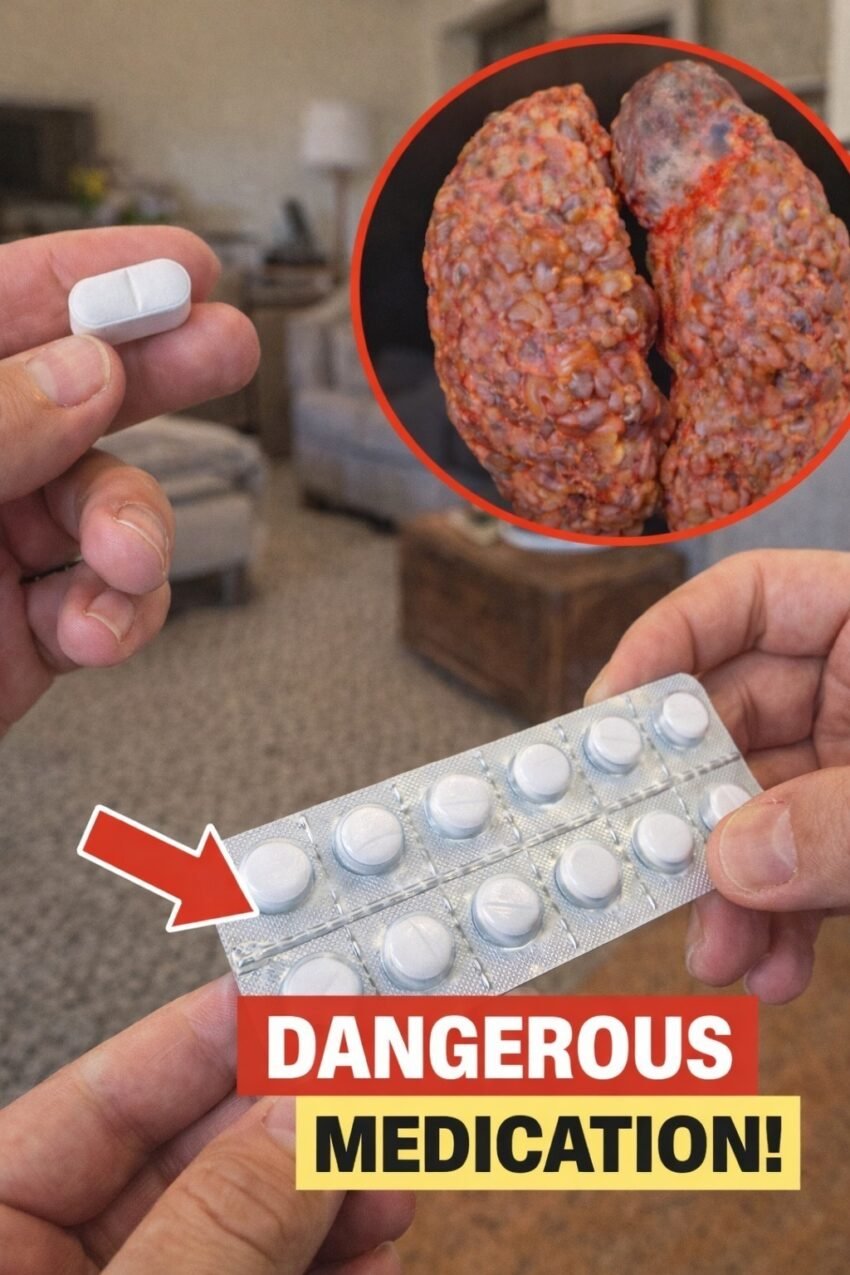
5 Medications Doctors Rarely Use Themselves — But Many People Take Without a Second Thought
Discover 5 commonly used medications doctors tend to avoid personally—and what safer alternatives you should consider today.
You trust the label. But would your doctor take it?
Walk through any pharmacy aisle in America and you’ll see shelves packed with “safe,” over-the-counter solutions for everyday problems—pain, sleep, allergies, heartburn.
Millions of people use them without thinking twice.
But here’s the uncomfortable truth: some of the most commonly used medications are the very ones many physicians approach with caution—or avoid entirely for themselves and their families.
That doesn’t mean they’re “bad” or unsafe when used correctly. It means they’re often overused, misunderstood, or relied on in ways that quietly create bigger problems over time.
This article isn’t about fear. It’s about awareness.
By the end, you’ll understand:
- Which medications deserve a second look
- Why doctors are more cautious than the average consumer
- What safer, smarter alternatives actually look like
Why Doctors Think Differently About Everyday Medications
Most patients think in terms of quick relief.
Doctors think in terms of:
- Long-term side effects
- Dependency risk
- Root causes vs symptom suppression
- Cumulative impact over years
That shift in perspective changes everything.
A pill that solves a problem in 20 minutes can quietly create another problem over 2 years.
And that’s where the gap begins.
1. Proton Pump Inhibitors (PPIs): The “Forever Heartburn Fix” That Shouldn’t Be Forever
Common brands include:
- Omeprazole
- Esomeprazole
These drugs reduce stomach acid and are widely used for acid reflux and GERD.
Why people love them:
- Fast relief
- Available over the counter
- Works reliably
Why doctors are cautious:
PPIs were originally designed for short-term use (2–8 weeks). But many people stay on them for months—or years.
Long-term use has been linked in research from institutions like Harvard Medical School to:
- Nutrient deficiencies (magnesium, B12)
- Increased risk of bone fractures
- Gut microbiome disruption
- Higher risk of certain infections
What doctors often do instead:
- Use PPIs temporarily, not indefinitely
- Focus on diet triggers (coffee, alcohol, late meals)
- Recommend weight management if applicable
Bottom line:
The issue isn’t the medication—it’s using it as a permanent fix.
2. Over-the-Counter Sleep Aids: The Illusion of “Easy Sleep”
Common ingredient:
- Diphenhydramine (found in many nighttime formulas)
Why people use them:
- Immediate drowsiness
- No prescription needed
- Cheap and accessible
What most people don’t realize:
These are actually antihistamines, not true sleep medications.
Why doctors avoid regular use:
- Next-day grogginess (“hangover effect”)
- Tolerance builds quickly (they stop working)
- Can impair memory and cognition over time
- Linked to increased dementia risk with chronic use in older adults
What doctors prioritize instead:
- Sleep hygiene (consistent schedule, screen limits)
- Addressing anxiety or stress
- Short-term prescription options only when necessary
Key insight:
Knocking yourself out isn’t the same as getting restorative sleep.
3. Decongestant Nasal Sprays: Fast Relief, Fast Trap
Popular example:
- Oxymetazoline
Why people love them:
- Works within minutes
- Clears nasal passages almost instantly
The hidden problem: Rebound congestion
Use it for more than 3–4 days, and your nose can become dependent on it.
Stop using it, and congestion comes back worse than before.
Doctors call this:
- Rhinitis medicamentosa
Why doctors are careful:
- Easy to overuse
- Creates a cycle of dependency
- Doesn’t treat the underlying cause
Better alternatives:
- Saline sprays
- Steroid nasal sprays (short-term, supervised)
- Treating allergies or infections directly
4. Frequent Use of NSAIDs: The Quiet Gut Irritators
Common examples:
- Ibuprofen
- Naproxen
Why people rely on them:
- Headaches
- Back pain
- Muscle soreness
- Inflammation
They’re effective—and that’s the problem.
Why doctors limit personal use:
Frequent or high-dose use can increase risk of:
- Stomach ulcers
- Gastrointestinal bleeding
- Kidney strain
- Increased cardiovascular risk (with long-term use)
What doctors tend to do:
- Use the lowest effective dose
- Avoid daily use unless medically necessary
- Explore non-drug options (physical therapy, stretching, hydration)
Important distinction:
Occasional use is generally safe. Chronic use is where risk builds.
5. Broad-Spectrum Antibiotics: The “Just In Case” Mistake
Examples include:
- Amoxicillin
- Azithromycin
Why people expect them:
- “I’m sick, I need antibiotics”
- Pressure during doctor visits
- Past experience
Why doctors are extremely cautious:
Antibiotics do NOT work for:
- Viral infections (like most colds and flu)
Overuse leads to:
- Antibiotic resistance
- Disruption of gut bacteria
- Increased risk of future infections
According to the CDC, antibiotic resistance is one of the biggest public health threats in the U.S.
What doctors actually do:
- Prescribe only when clearly necessary
- Choose targeted antibiotics when possible
- Sometimes recommend “watchful waiting”
Comparison: Quick Relief vs Long-Term Impact
| Medication Type | Short-Term Benefit | Long-Term Risk |
|---|---|---|
| PPIs | Strong acid relief | Nutrient deficiencies |
| Sleep aids | Fast sedation | Cognitive effects |
| Nasal sprays | Instant breathing relief | Dependency |
| NSAIDs | Pain reduction | Gut & heart risks |
| Antibiotics | Infection treatment | Resistance |
Common Mistakes People Make (And How to Fix Them)
Mistake #1: Treating symptoms as permanent conditions
Fix: Ask what’s causing the issue, not just how to stop it.
Mistake #2: Assuming OTC = harmless
Fix: Read labels and duration guidelines carefully.
Mistake #3: Using medications longer than intended
Fix: Set a clear stop date unless directed otherwise.
Mistake #4: Ignoring lifestyle factors
Fix: Diet, sleep, stress, and movement often matter more than pills.
Step-by-Step: Smarter Medication Use
Step 1: Pause Before You Take It
Ask:
Is this solving a symptom—or the cause?
Step 2: Check Duration Guidelines
Many medications are meant for short-term use only.
Step 3: Track Patterns
Recurring symptoms = deeper issue.
Step 4: Talk to a Professional
Especially if you’re using something regularly.
Step 5: Build Non-Drug Strategies
- Sleep routines
- Nutrition
- Stress management
- Physical activity
Expert Insight Most People Miss
Doctors aren’t “anti-medication.”
They’re anti-unnecessary medication.
The real difference is this:
Most people ask,
“What can I take for this?”
Doctors ask,
“Why is this happening in the first place?”
That shift alone can dramatically change your health trajectory.
2026 Reality: Why This Matters More Than Ever
Medication use is rising across the U.S.—especially for:
- Sleep issues
- Digestive problems
- Chronic pain
At the same time:
- Lifestyle-related conditions are increasing
- Screen time is affecting sleep and stress
- Quick fixes are more accessible than ever
The result?
More people managing symptoms instead of solving problems.
Mini Case Scenario
Mark, 38, used over-the-counter heartburn medication daily for years.
It worked—until it didn’t.
Eventually, he addressed:
- Late-night eating
- High caffeine intake
- Stress levels
Within weeks, he reduced his medication use significantly.
The issue wasn’t the drug. It was the dependency on it.
Frequently Asked Questions
1. Are these medications unsafe?
No. They’re safe when used correctly. Problems arise with misuse or overuse.
2. Should I stop taking my medication?
Never stop prescribed medication without consulting your doctor.
3. Why do doctors still prescribe these?
Because they work—when used appropriately.
4. Are natural alternatives always better?
Not always. Some are ineffective or unregulated.
5. How do I know if I’m overusing something?
If you rely on it daily or long-term without guidance.
6. Are OTC drugs regulated in the U.S.?
Yes, by the FDA—but usage still depends on the consumer.
7. Can lifestyle changes really replace medication?
In many cases, they reduce or eliminate the need—but not always.
8. What’s the safest pain reliever?
Depends on your health profile—consult your doctor.
9. Is short-term use okay?
Generally yes, within recommended guidelines.
10. What’s the biggest risk overall?
Long-term, unmonitored use.
Action Checklist
Do This:
- Use medications as directed
- Limit long-term self-medication
- Address root causes
- Consult professionals when needed
- Monitor changes in your body
Avoid This:
- Daily use without reason
- Ignoring side effects
- Mixing medications casually
- Assuming “more is better”
Medications are powerful tools—but they’re not meant to replace awareness.
Used wisely, they can improve your life.
Used casually, they can quietly complicate it.
The difference isn’t in the drug—it’s in how you use it.
Don’t just ask what works—ask what’s necessary.
If this opened your eyes, share it with someone who relies a little too much on “quick fixes.” And if you’ve had your own experience with any of these, your story might help someone else make a smarter choice.