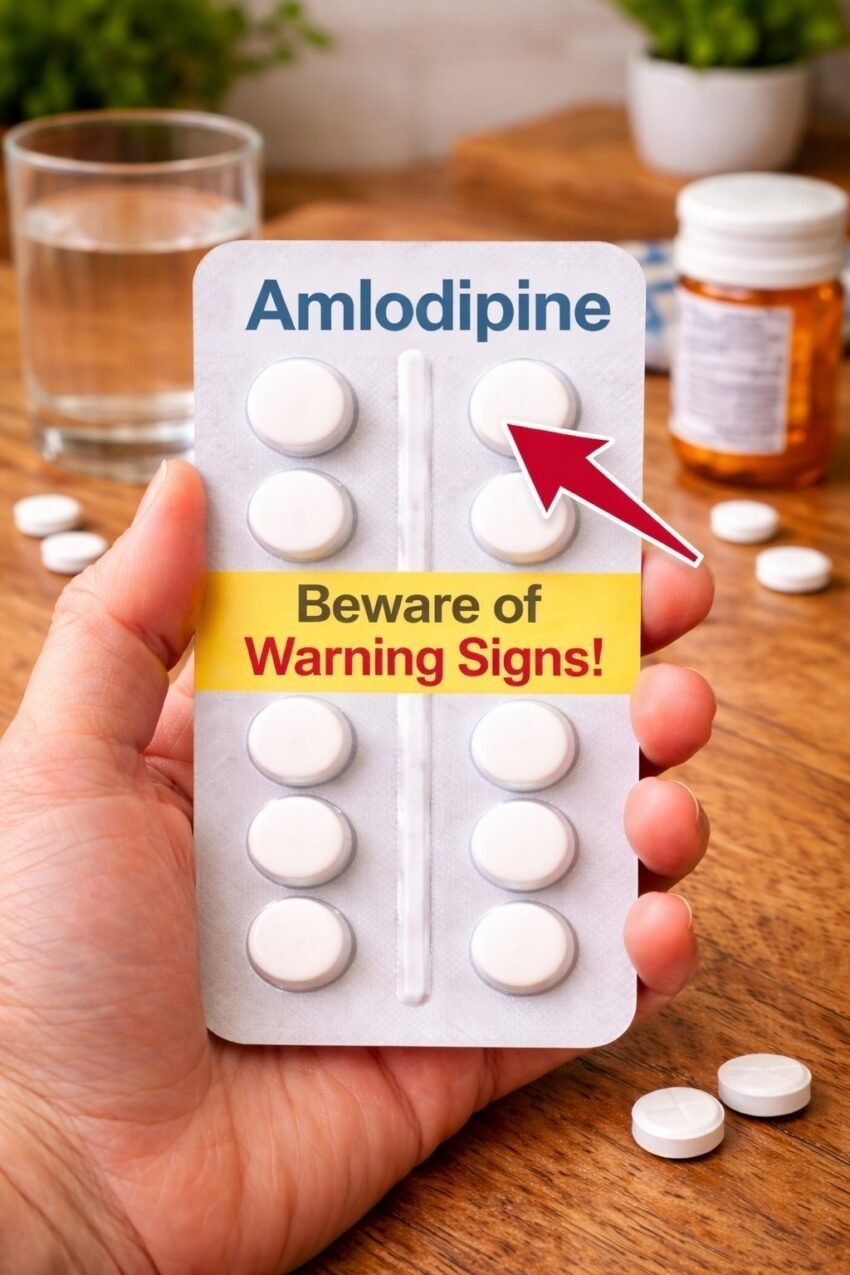
8 Habits to Stop This Year If You’re Taking Amlodipine — And Why They Matter More Than You Think
Taking amlodipine? These 8 common habits could reduce its effectiveness or increase side effects. Learn what to avoid for better blood pressure control.
You’re taking your medication… but is it actually working?
You take your pill. You assume it’s doing its job. Blood pressure handled.
But here’s the part most people don’t realize:
Certain everyday habits can quietly interfere with how your medication works—sometimes enough to cancel out its benefits or amplify side effects.
If you’re on Amlodipine, this matters.
Because while the drug itself is effective and widely prescribed across the U.S., your daily routines can either support it—or work against it.
Let’s break down the 8 habits that could be undermining your treatment—and what to do instead.
First, a quick reality check: What Amlodipine actually does
Amlodipine is a calcium channel blocker used to:
- Lower blood pressure
- Improve blood flow
- Reduce strain on the heart
It works by relaxing blood vessels, making it easier for blood to move through them.
That’s the goal.
But if something in your routine causes your blood vessels to tighten again—or affects how your body processes the drug—you’re not getting the full benefit.
1. Drinking Grapefruit Juice Like It’s Harmless
This one surprises a lot of people.
Why it’s a problem:
Grapefruit can interfere with liver enzymes that break down amlodipine. This can lead to:
- Higher levels of the drug in your bloodstream
- Increased risk of side effects (like swelling or dizziness)
What that feels like:
- Unusual fatigue
- Lightheadedness
- More pronounced ankle swelling
What to do instead:
- Avoid grapefruit and grapefruit juice entirely while on amlodipine
- Other citrus fruits (like oranges) are generally fine
2. Skipping Doses (Then “Making Up” for It Later)
It happens. Busy day. You forget.
Then you take two the next day thinking it balances out.
It doesn’t.
Why this habit is risky:
- Causes fluctuations in blood pressure
- Increases risk of side effects like low blood pressure
- Reduces overall treatment effectiveness
Better approach:
- Take it at the same time every day
- If you miss a dose, follow your doctor’s guidance—don’t double up
3. Eating a High-Sodium Diet Without Realizing It
You may not be adding salt—but processed foods are doing it for you.
Why it matters:
Amlodipine lowers blood pressure. Sodium raises it.
They work against each other.
Common hidden sources:
- Frozen meals
- Packaged snacks
- Restaurant food
- Canned soups
What doctors see often:
Patients who say, “My medication isn’t working,” while consuming high sodium daily.
Fix:
- Aim for less than 2,300 mg sodium per day (or lower if advised)
- Read labels—it’s eye-opening
4. Sitting Too Much (Even If You Exercise)
You might hit the gym for 30 minutes—but sit for the other 10 hours.
Why that’s a problem:
- Prolonged sitting affects circulation
- Can increase blood pressure over time
- May worsen swelling (a common side effect of amlodipine)
Subtle sign:
- Ankles or feet swelling more by evening
What helps:
- Stand or walk every 30–60 minutes
- Light movement throughout the day matters more than you think
5. Ignoring Swelling in Your Feet or Ankles
This is one of the most common side effects of amlodipine.
And many people ignore it—assuming it’s normal.
Why that’s risky:
- Swelling can indicate your body isn’t tolerating the medication well
- It may worsen over time
What to watch for:
- Tight shoes by evening
- Indentations after removing socks
- Persistent puffiness
What to do:
- Elevate your legs when possible
- Reduce sodium intake
- Talk to your doctor—dose adjustment or alternatives may help
6. Mixing It With Certain Medications Without Checking
Amlodipine interacts with several medications.
Common interaction risks:
- Other blood pressure medications (can cause overly low BP)
- Certain antifungals or antibiotics
- Some cholesterol medications
Why this matters:
- Can amplify side effects
- May alter how well amlodipine works
Rule to follow:
Always check with your doctor or pharmacist before adding:
- New prescriptions
- Over-the-counter drugs
- Supplements
7. Drinking Alcohol Without Limits
Alcohol and amlodipine both lower blood pressure.
Combined, they can:
- Cause dizziness or fainting
- Increase risk of falls
- Make side effects more noticeable
Real-world scenario:
Someone feels fine on medication—until a couple of drinks suddenly cause lightheadedness.
Smarter approach:
- Limit alcohol intake
- Monitor how your body reacts
8. Assuming “No Symptoms = No Problem”
High blood pressure is often called the silent condition for a reason.
You may feel completely fine—even when it’s not controlled.
Why this habit is dangerous:
- You might skip follow-ups
- You might stop medication early
- You won’t notice gradual damage
What doctors emphasize:
- Regular monitoring is essential
- Feeling okay doesn’t mean everything is okay
Quick Comparison: Habits That Help vs Harm
| Habit | Effect on Amlodipine |
|---|---|
| Low-sodium diet | Improves effectiveness |
| Consistent dosing | Stabilizes blood pressure |
| Regular movement | Supports circulation |
| High sodium intake | Reduces effectiveness |
| Grapefruit consumption | Increases side effects |
| Skipping doses | Causes instability |
Step-by-Step: How to Get the Most Out of Your Medication
Step 1: Build a Consistent Routine
Take your medication at the same time daily.
Step 2: Clean Up Your Diet
Focus on:
- Whole foods
- Low sodium
- Balanced nutrition
Step 3: Move More Throughout the Day
Not just workouts—consistent movement matters.
Step 4: Monitor Your Blood Pressure
At home or during checkups.
Step 5: Stay in Communication With Your Doctor
Especially if:
- You notice side effects
- Your lifestyle changes
- You start new medications
Common Mistakes (And Fixes)
Mistake: Thinking medication alone is enough
Fix: Combine with lifestyle changes
Mistake: Ignoring mild side effects
Fix: Track and report them early
Mistake: Taking advice from non-medical sources
Fix: Verify with professionals
Expert Insight Most People Miss
Here’s what often gets overlooked:
Blood pressure medication isn’t a “set it and forget it” solution.
It’s part of a system.
That system includes:
- Diet
- Movement
- Sleep
- Stress levels
If one piece is off, the whole system feels it.
2026 Update: Why Lifestyle Matters Even More Now
In the U.S., hypertension rates continue to rise, driven by:
- Sedentary lifestyles
- Ultra-processed diets
- Chronic stress
Medication helps—but it’s not designed to fight all of that alone.
Patients who combine medication with lifestyle adjustments consistently see better outcomes.
Mini Case Scenario
James, 55, was taking amlodipine but still had high readings.
After tracking his habits, he realized:
- High sodium intake
- Minimal movement during work hours
Within 6 weeks of changes:
- Blood pressure improved
- Swelling reduced
Same medication. Different habits. Completely different results.
Frequently Asked Questions
1. Can I stop taking amlodipine if I feel better?
No—only stop under medical supervision.
2. Is swelling always a reason to stop?
Not always, but it should be evaluated.
3. Can I drink coffee?
Generally yes, but monitor how it affects your blood pressure.
4. What time of day is best?
Same time daily—consistency matters more than timing.
5. Can I exercise while on it?
Absolutely. It’s encouraged.
6. Does weight affect how it works?
Yes—weight changes can influence blood pressure.
7. Are natural remedies enough instead?
Usually not as a replacement, but they can support treatment.
8. What if I miss a dose?
Take it as directed—don’t double up.
9. Is it safe long-term?
Yes, when monitored properly.
10. Can stress affect results?
Yes—stress can raise blood pressure significantly.
Action Checklist
Do This:
- Take medication consistently
- Eat low-sodium foods
- Stay active
- Monitor your blood pressure
- Report side effects
Avoid This:
- Grapefruit consumption
- Skipping or doubling doses
- Ignoring swelling
- Mixing medications without checking
- Relying on medication alone
Amlodipine can be highly effective—but only when your daily habits support it.
The difference between “it’s not working” and “it’s working perfectly” often comes down to small, consistent choices.
Not dramatic changes. Just smarter ones.
Your medication sets the foundation. Your habits decide the outcome.
If you found this helpful, share it with someone managing blood pressure—and if you’ve noticed any of these habits in your routine, now’s a good time to adjust.