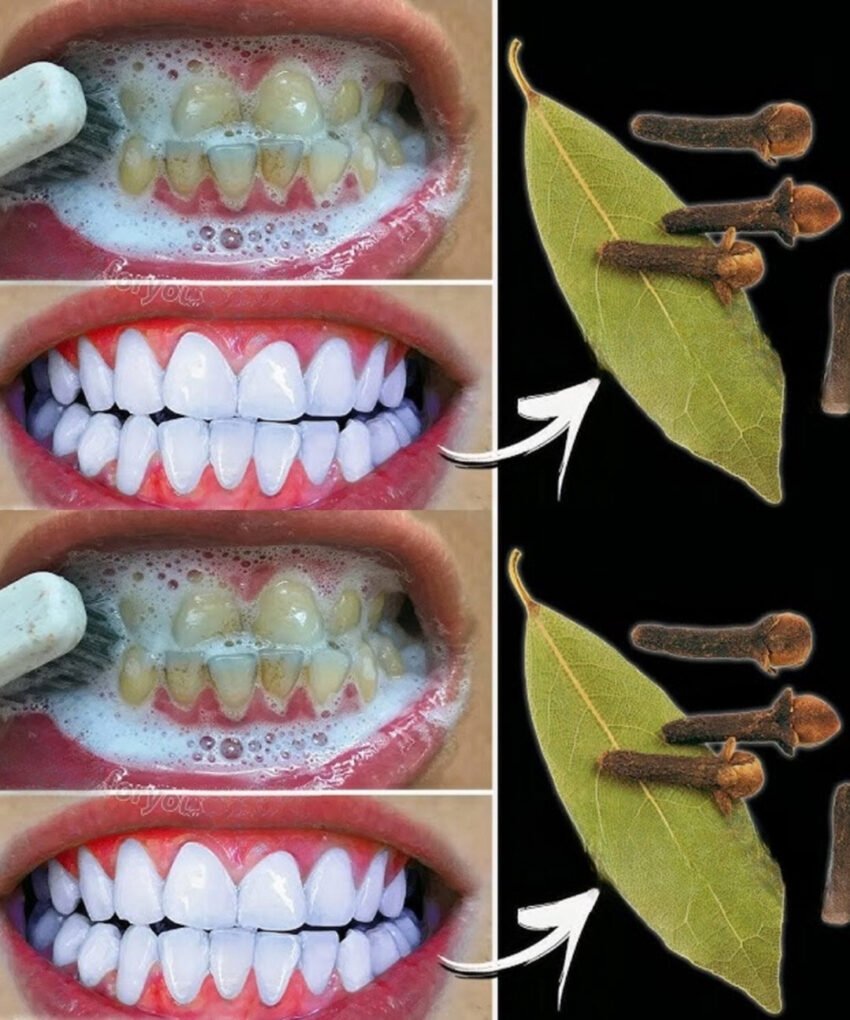
Remove Tartar and Whiten Your Teeth in Just 2 Minutes? The Truth Dentists Want You to Know
Learn what actually removes tartar and whitens teeth, what works in 2 minutes (and what doesn’t), plus safe, effective oral care methods.
The Promise That Sounds Too Good to Be True… Because It Is
Scroll through social media long enough and you’ll see it:
“Remove tartar and whiten your teeth in 2 minutes!”
It’s the kind of claim that grabs attention instantly—especially if you’ve ever looked in the mirror and noticed yellowing teeth or rough buildup near the gumline.
But here’s the uncomfortable truth:
Real tartar removal doesn’t work like that.
Not in 2 minutes. Not at home. Not with shortcuts.
Still, there are fast ways to improve the appearance of your teeth temporarily—and there are real, science-backed ways to remove tartar safely.
Let’s separate myth from reality clearly.
First, What Is Tartar Really?
Tartar (also called dental calculus) is hardened plaque.
Here’s how it forms:
- You eat food (especially sugars and starches)
- Bacteria in your mouth feed on it
- A sticky layer called plaque forms
- Over time, plaque hardens into tartar
Once plaque turns into tartar, it bonds tightly to your teeth.
At that point, brushing alone won’t remove it.
Why Tartar Is a Bigger Problem Than It Looks
Tartar isn’t just a cosmetic issue.
If left untreated, it can lead to:
- Gum inflammation (gingivitis)
- Bad breath (halitosis)
- Gum recession
- Tooth decay
- Periodontal disease
This is why dentists take it seriously.
Can You Really Remove Tartar in 2 Minutes?
Short answer: No.
Once tartar hardens, it requires professional cleaning using dental instruments like scalers or ultrasonic tools.
That’s why you see dentists or hygienists doing it during cleanings.
However…
You can improve surface stains and oral freshness in minutes.
But that is not the same as removing tartar.
What You Can Do in 2 Minutes (Realistic Results)
Let’s be honest and practical.
In 2 minutes, you can:
- Remove surface stains temporarily
- Freshen breath
- Make teeth look slightly brighter
- Reduce plaque buildup if done properly
But not remove hardened tartar.
Here’s what actually helps in a short time window:
1. Proper Brushing Technique (Fast Visual Improvement)
Brushing correctly for 2 minutes can:
- Remove fresh plaque
- Smooth surface buildup
- Improve shine
Use:
- Fluoride toothpaste
- Soft-bristled toothbrush
- Gentle circular motions
This won’t remove tartar—but it improves appearance immediately.
2. Baking Soda (Occasional Whitening Effect)
Baking soda is mildly abrasive.
It can help:
- Lift surface stains
- Make teeth appear whiter temporarily
But use carefully:
- No more than 1–2 times per week
- Avoid aggressive scrubbing
Overuse can damage enamel.
3. Hydrogen Peroxide Rinse (Diluted Only)
A diluted hydrogen peroxide rinse may:
- Reduce bacteria
- Lighten surface discoloration
But it must be very diluted and used cautiously.
Never swallow it.
4. Oil Pulling (Slow but Noticeable Over Time)
Oil pulling involves swishing oil (like coconut oil) in your mouth.
It may help:
- Reduce bacteria
- Improve oral freshness
- Support gum health
But it is not a quick tartar remover.
5. Whitening Toothpaste (Instant Cosmetic Effect)
Whitening toothpaste can:
- Polish surface stains
- Improve brightness slightly
It works cosmetically—not structurally.
What Actually Removes Tartar (The Real Solution)
The only reliable way to remove tartar is:
Professional Dental Cleaning
A dentist or hygienist uses:
- Scaling tools
- Ultrasonic instruments
- Polishing equipment
This removes hardened deposits safely without damaging enamel.
Why Home “Tartar Removal Hacks” Go Viral
These claims spread because:
- People want fast results
- Dental care can feel expensive or delayed
- Visual transformations attract clicks
- Misleading before/after images circulate online
But most “instant tartar removal tricks” are actually removing stains—not tartar.
The Dangerous Myths You Should Avoid
❌ Scraping teeth with sharp objects
Can damage enamel and gums permanently.
❌ Using lemon or acid treatments
Acid erodes enamel quickly.
❌ Overusing baking soda daily
Too abrasive for long-term use.
❌ DIY dental scaling kits
High risk of gum injury and infection.
What Dentists Actually Recommend
Professional dental organizations (like the American Dental Association) consistently recommend:
- Brushing twice daily
- Flossing once daily
- Regular dental cleanings (every 6 months)
This prevents tartar buildup in the first place.
Prevention is far more effective than removal.
Real-Life Scenario: What Actually Happens
Imagine someone who hasn’t had a dental cleaning in a year.
They notice yellow buildup near the gums.
They try home remedies for a week:
- Brushing more aggressively
- Baking soda scrubs
- Whitening toothpaste
Their teeth may look slightly brighter—but the hardened tartar remains.
At the dentist:
- Scaling removes visible buildup in minutes
- Teeth feel smoother instantly
- Gum health improves
That’s the real transformation.
Comparison: What Works vs What Doesn’t
| Method | Removes Tartar | Whitens Teeth | Safety |
|---|---|---|---|
| Brushing | No | Slightly | Safe |
| Baking soda | No | Temporary | Moderate use only |
| Whitening toothpaste | No | Yes (surface only) | Safe |
| Oil pulling | No | Minimal | Safe |
| Professional cleaning | Yes | Yes | Very safe |
Expert Insight: Why Tartar Forms Faster in Some People
Several factors increase buildup:
- Smoking
- High sugar diet
- Poor oral hygiene
- Dry mouth
- Genetics
Some people naturally accumulate tartar faster even with good brushing habits.
2026 Oral Health Trend: Prevention Over Fixes
Modern dentistry is shifting toward:
- Early plaque control
- At-home preventive tools
- Personalized oral care routines
- Minimally invasive cleaning methods
The focus is no longer “how to remove tartar fast,” but “how to stop it from forming.”
Simple Daily Routine to Prevent Tartar
- Brush twice daily (2 minutes each time)
- Floss once daily
- Use fluoride toothpaste
- Drink water after meals
- Limit sugary snacks
- Visit dentist regularly
Consistency matters more than intensity.
FAQ: What People Are Actually Asking
1. Can tartar be removed at home?
No, once hardened it requires professional cleaning.
2. Does brushing remove tartar?
It removes plaque, not hardened tartar.
3. Can baking soda whiten teeth instantly?
It may remove surface stains temporarily.
4. Is tartar dangerous?
Yes, it can lead to gum disease if untreated.
5. How fast does tartar form?
It can begin forming in 24–72 hours if plaque isn’t removed.
6. Does whitening toothpaste remove tartar?
No, it only affects surface stains.
7. Is professional cleaning painful?
Usually no—it may cause mild sensitivity for some.
8. Can oil pulling remove tartar?
No, but it may support oral hygiene.
9. Why do I get tartar even if I brush?
Technique, diet, and saliva composition all play roles.
10. How often should I get dental cleaning?
Typically every 6 months, or as advised by your dentist.
Action Checklist
✅ Do This:
- Brush twice daily properly
- Floss daily
- Visit dentist regularly
- Use fluoride toothpaste
- Maintain a low-sugar diet
❌ Avoid This:
- Believing instant tartar removal hacks
- Scraping teeth at home
- Overusing abrasive DIY methods
- Ignoring gum symptoms
- Delaying dental cleanings
The idea of removing tartar and whitening teeth in just 2 minutes is appealing—but misleading.
Quick fixes can improve appearance slightly, but they don’t replace real dental care.
True oral health is built on consistency, not shortcuts.
And while viral hacks may promise instant results, your teeth respond best to something far less exciting—but far more effective:
Routine care.
You can brighten your smile in minutes, but you can’t safely remove tartar at home in that time. Real results come from daily care and professional cleanings—not shortcuts.