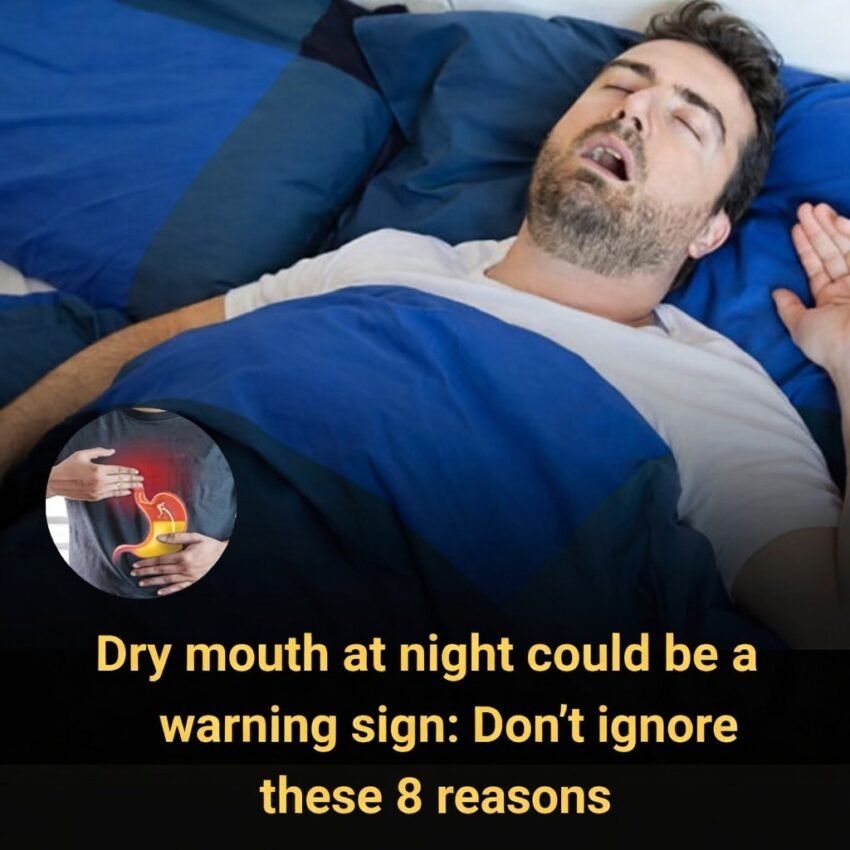
Dry Mouth at Night: 8 Warning Signs You Shouldn’t Ignore (And What They Might Be Telling You)
Waking up with dry mouth? Discover 8 warning signs you shouldn’t ignore, what causes nighttime dry mouth, and how to fix it safely.
You wake up in the middle of the night… and your mouth feels like sandpaper.
You reach for water. Maybe it helps—for a moment.
But by morning, your throat is dry, your breath feels off, and something just doesn’t feel right.
Occasional dryness? Normal.
But if it keeps happening, your body may be trying to tell you something important.
👉 Nighttime dry mouth—often called Xerostomia—is more than just discomfort. It can be a signal of deeper issues ranging from dehydration to sleep disorders.
In this guide, you’ll discover 8 warning signs you shouldn’t ignore, what they might mean, and what you can actually do about them.
🧠 Why Dry Mouth at Night Matters More Than You Think
Saliva isn’t just moisture—it’s protection.
It helps:
- Prevent tooth decay
- Control bacteria
- Aid digestion
- Protect your gums
When saliva production drops at night, your mouth becomes more vulnerable.
Over time, that can lead to bigger problems than just thirst.
🚨 1. Persistent Thirst That Wakes You Up
What It Feels Like
You wake up needing water—sometimes multiple times a night.
What It Could Mean
- Dehydration
- High salt intake before bed
- Early signs of Diabetes Mellitus
Why You Shouldn’t Ignore It
Frequent nighttime thirst may signal your body is struggling to regulate fluids or blood sugar.
🚨 2. Sticky or Thick Saliva
The Experience
Your saliva feels unusually thick—almost glue-like.
Possible Causes
- Reduced saliva production
- Medication side effects
- Mouth breathing
Real-Life Impact
Talking, swallowing, and even sleeping comfortably becomes harder.
🚨 3. Bad Breath in the Morning That Doesn’t Go Away
What’s Happening
Less saliva = more bacterial growth overnight.
Result
Persistent morning breath—even after brushing.
Why It Matters
Chronic bad breath could indicate oral health issues—not just hygiene problems.
🚨 4. Frequent Sore Throat or Hoarseness
The Pattern
You wake up with a dry, scratchy throat.
Possible Causes
- Mouth breathing
- Dry air
- Sleep-related breathing issues
Deeper Concern
It may be linked to Sleep Apnea, especially if combined with snoring or fatigue.
🚨 5. Cracked Lips or Dry Corners of the Mouth
What You Notice
- Chapped lips that don’t heal
- Cracks at the corners of your mouth
Why It Happens
Lack of moisture and saliva leads to skin breakdown.
Long-Term Risk
Increased chance of infections and irritation.
🚨 6. Difficulty Swallowing at Night
What It Feels Like
Swallowing feels uncomfortable or requires effort.
Possible Reasons
- Reduced saliva
- Throat dryness
- Underlying irritation
Why It’s Important
This can affect sleep quality and may indicate worsening dryness.
🚨 7. Burning Sensation in the Mouth or Tongue
The Symptom
A tingling or burning feeling—especially at night or in the morning.
Possible Link
Could be related to Burning Mouth Syndrome.
What to Watch For
If persistent, it needs evaluation—not just home remedies.
🚨 8. Increased Cavities or Gum Problems
The Hidden Danger
Without saliva, your teeth lose natural protection.
What Happens Over Time
- More cavities
- Gum inflammation
- Plaque buildup
Why This Is Serious
Dental issues linked to dry mouth can progress quickly if ignored.
📊 Quick Comparison: Occasional vs Chronic Dry Mouth
| Type | Characteristics | Risk Level |
|---|---|---|
| Occasional | Happens rarely, mild discomfort | Low |
| Frequent | Several nights a week | Moderate |
| Chronic | Every night, multiple symptoms | High |
🔍 What Causes Dry Mouth at Night?
Common Triggers
- Dehydration
- Mouth breathing
- Alcohol or caffeine before bed
- Certain medications (antihistamines, antidepressants)
- Smoking
Medical Conditions to Consider
- Diabetes Mellitus
- Sleep Apnea
- Sjögren’s Syndrome
🛠️ Step-by-Step: How to Fix Dry Mouth at Night
Step 1: Hydrate Strategically
- Drink water throughout the day—not just at night
- Avoid excessive caffeine
Step 2: Improve Your Sleep Environment
- Use a humidifier
- Keep your room from getting too dry
Step 3: Address Mouth Breathing
- Try nasal strips
- Sleep on your side
Step 4: Review Medications
If dryness started after a new medication, consult your doctor.
Step 5: Upgrade Oral Care
- Use alcohol-free mouthwash
- Brush and floss regularly
⚖️ Pros & Cons of Ignoring the Problem
Ignoring It
Pros:
- No immediate effort
Cons:
- Worsening oral health
- Poor sleep quality
- Potential underlying conditions go unnoticed
Addressing It
Pros:
- Better sleep
- Improved oral health
- Early detection of issues
Cons:
- Requires lifestyle adjustments
🚫 Common Mistakes (And Fixes)
Mistake: Drinking water only when thirsty
→ Fix: Hydrate consistently during the day
Mistake: Ignoring snoring
→ Fix: Evaluate for sleep disorders
Mistake: Using alcohol-based mouthwash
→ Fix: Switch to gentle, hydrating formulas
🧠 Expert Insight Most People Miss
Dry mouth is often treated as a minor annoyance.
But in reality, it’s frequently a symptom, not the problem itself.
👉 The key isn’t just relieving dryness—it’s understanding why it’s happening.
📈 2026 Trends in Oral & Sleep Health
- Increased awareness of sleep-related breathing disorders
- Growth in hydration-focused health tracking
- More use of smart sleep monitoring devices
- Rise in holistic oral care solutions
🔮 Future Outlook
As research continues, dry mouth is being recognized as an early indicator of broader health issues—not just an isolated condition.
Early awareness = better long-term outcomes.
❓ FAQs
1. Is dry mouth at night normal?
Occasionally, yes. But frequent dryness may indicate an underlying issue.
2. Can dehydration alone cause this?
Yes, but persistent symptoms often involve other factors.
3. Does mouth breathing make it worse?
Absolutely—it’s one of the most common causes.
4. Should I be worried about cavities?
Yes, chronic dry mouth increases cavity risk.
5. Can medications cause dry mouth?
Many common medications list it as a side effect.
6. Is it linked to sleep apnea?
It can be—especially if you snore or feel tired during the day.
7. What’s the best quick fix?
Hydration and improving airflow (like nasal breathing).
8. Are there specific products for dry mouth?
Yes, but they treat symptoms—not root causes.
9. When should I see a doctor?
If symptoms persist or worsen.
10. Can this go away on its own?
Sometimes—but not if an underlying condition is involved.
✅ Action Checklist
Do This:
- Stay hydrated throughout the day
- Use a humidifier at night
- Practice nasal breathing
- Maintain oral hygiene
Avoid This:
- Ignoring persistent symptoms
- Drinking excessive caffeine or alcohol before bed
- Using harsh oral care products
🏁 Conclusion
Dry mouth at night might seem like a small inconvenience.
But your body rarely repeats a signal without reason.
Whether it’s dehydration, breathing issues, or something deeper—paying attention now can prevent bigger problems later.
Start with simple changes.
Stay aware.
And if something feels off, don’t ignore it.
Nighttime dry mouth isn’t just uncomfortable—it can be a warning sign. Address the cause early to protect your sleep and overall health.