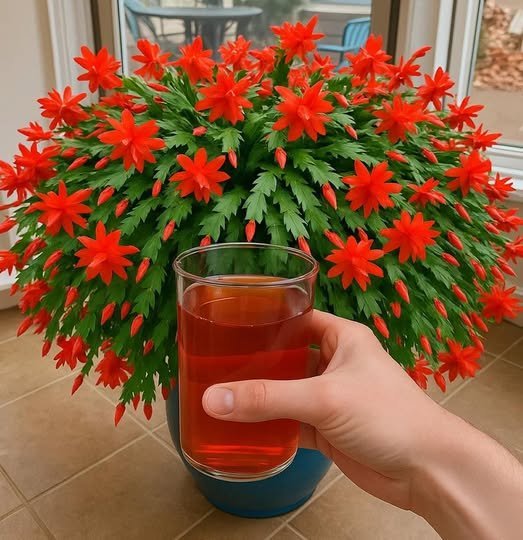
The Most Effective Tricks to Make Your Christmas Cactus Bloom Year-Round
Learn expert tips to make your Christmas cactus bloom all year. Discover care tricks, watering schedules, and light strategies for vibrant flowers anytime.
Introduction: Bring Constant Color to Your Home
The Christmas cactus is a beloved houseplant known for its vivid blooms and lush, arching leaves. While it naturally flowers around the holidays, many plant enthusiasts dream of seeing it bloom year-round.
With the right care, environment, and timing, you can encourage your cactus to flower multiple times a year — keeping your home bright, festive, and full of color.
1. Understand Your Christmas Cactus
Before we dive into tricks, it’s important to know:
-
Type: There are several species, like Schlumbergera truncata and Schlumbergera bridgesii. Most bloom in response to daylight length and temperature changes.
-
Bloom Trigger: Flowering is typically triggered by short days and cooler temperatures in fall, mimicking winter conditions.
Tip: Knowing the plant’s natural rhythm helps you replicate conditions to encourage year-round blooms.
2. Light Requirements
-
Indirect sunlight: Bright, indirect light promotes healthy growth and flowering. Avoid direct, harsh sun, which can scorch leaves.
-
Seasonal adjustment: During the flowering phase, provide 12–14 hours of darkness each night for 6–8 weeks to stimulate buds.
Pro tip: Place your cactus near an east-facing window for morning sun, or use grow lights if natural light is limited.
3. Temperature Control
-
Ideal growth temperature: 65–75°F (18–24°C) during the day.
-
Flowering trigger: Night temperatures around 50–55°F (10–13°C) help induce blooms.
-
Avoid sudden changes: Extreme heat or cold can cause bud drop.
4. Watering and Humidity
-
Regular watering: Keep the soil slightly moist but not soggy.
-
Reduce water before blooming: Slightly drier soil before bud formation encourages longer-lasting flowers.
-
Humidity: Mist occasionally or place the plant on a pebble tray with water to maintain moisture around leaves.
5. Fertilization
-
Balanced fertilizer: Use a 10-10-10 or 20-20-20 formula during the growing season (spring and summer).
-
Bloom booster: Switch to a high-phosphorus fertilizer (like 10-30-10) about 6 weeks before expected flowering.
-
Frequency: Feed every 2–4 weeks while the plant is actively growing.
6. Pruning for More Blooms
-
After flowering: Prune long, leggy stems to encourage branching, which produces more flower sites.
-
Light trimming: Remove any dead or shriveled leaves to maintain plant energy.
Tip: Regular pruning keeps your cactus compact, healthy, and flower-rich.
7. Repotting and Soil
-
Repot every 2–3 years using a well-draining cactus or succulent mix.
-
Ensure the pot has drainage holes to prevent root rot.
-
Slightly smaller pots can actually encourage blooming, as plants in tight spaces tend to flower more.
8. Tricks for Year-Round Bloom
-
Control light exposure: Mimic the short days of fall with 12–14 hours of darkness nightly.
-
Temperature management: Slightly cooler nights trigger buds multiple times a year.
-
Alternate fertilization: Switch between balanced growth fertilizer and bloom-boosting formulas seasonally.
-
Rotate plants: Give each side of the plant light exposure to encourage even flowering.
-
Stress strategically: Slightly reducing water before buds form can trigger extra blooming cycles.
FAQs
1. How long does it take to see blooms?
-
After mimicking fall conditions, buds typically appear 6–8 weeks later.
2. Can I force my cactus to bloom outside the holiday season?
-
Yes! By controlling light and temperature, you can induce blooms year-round.
3. Why do buds fall off before blooming?
-
Common reasons include overwatering, sudden temperature changes, or too much light.
With the right combination of light, temperature, water, and pruning, your Christmas cactus can bloom multiple times a year, filling your home with lush green leaves and vibrant flowers.
Give your cactus the care it craves, and enjoy year-round color and life indoors, no matter the season.